Quote · Added 14 February 2026
We have to pray with our eyes on God, not on the difficulties.
Oswald ChambersWith Our Eyes on God, Tim Challies, 2025
No ratings yet
Filed underprayer·faith·perseverance
Quote · Added 14 February 2026
Filed underprayer·faith·perseverance
There's a psychological truth buried in this spiritual advice: where you direct your attention literally shapes what you can do next. When you're stuck on a problem—a conflict with someone, a financial worry, a creative block—you tend to spiral deeper into it. Your mind finds more reasons why it's impossible. But the moment you shift focus, even briefly, something opens up. You remember your capabilities. You see options you couldn't see before.
This isn't about ignoring real difficulties. It's about the order of operations. If you start by staring at the obstacle, fear hardens it into something permanent. If you start by connecting with something larger—whether that's your values, your past resilience, or actual faith—the difficulty stays difficult but becomes something you can move through rather than something that paralyzes you. It's why people facing actual hardship often report that their spiritual practice wasn't escapism; it was what gave them the resources to act.
The practical version? Before you problem-solve, ground yourself. Remind yourself what matters. Then the difficulties are still there, but you're not meeting them as a frightened person alone with them.
1874–1917·lived 43 years
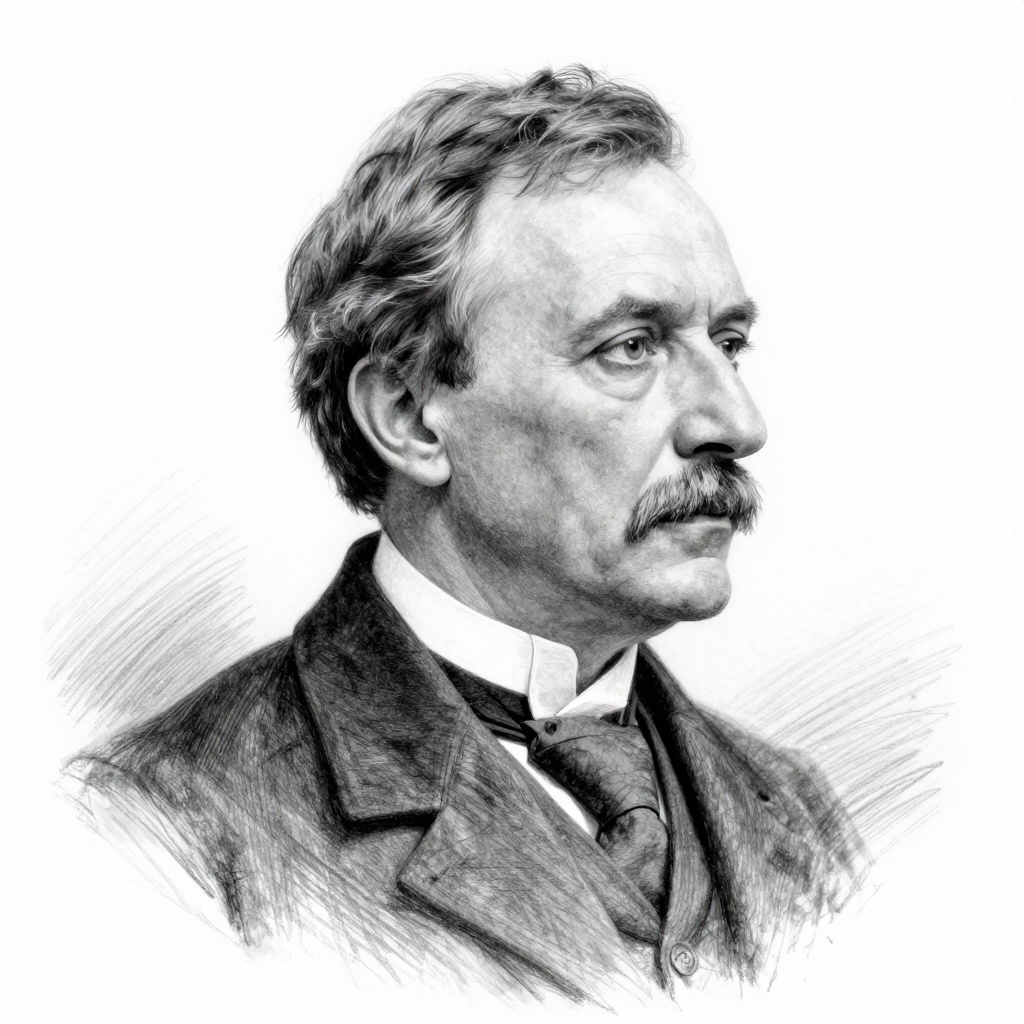
Oswald Chambers (1874-1917) was a Scottish pastor, teacher, and author, best known for his classic devotional "My Utmost for His Highest." He dedicated his life to spreading the teachings of Christian faith and his writings continue to impact and inspire Christians worldwide.
Comments