Quote · Added 11 February 2026
The whole point of getting things done is knowing what to leave undone.
Oswald ChambersMindZip
No ratings yet
Filed underdone·priorities·wisdom
Quote · Added 11 February 2026
Filed underdone·priorities·wisdom
We live in an age of infinite options disguised as productivity. You can always answer one more email, attend one more meeting, learn one more skill. The trap isn't failing to do enough—it's never deciding what matters enough to say no to everything else. Real productivity isn't about capacity; it's about clarity on what actually counts.
This distinction hits harder the more successful you become. Early on, doing more almost always helps. But somewhere around the middle of most people's lives, the bottleneck shifts. You're not limited by what you can accomplish; you're limited by what you choose to protect. The parent who skips the optional networking event to have dinner with their kids, the professional who stops checking email at night—they're not lazy. They've made the harder decision: to be ruthless about what doesn't make the cut.
The counterintuitive part is that leaving things undone actually requires more self-knowledge than doing everything. It demands knowing your actual values rather than just reacting to what feels urgent or impressive. It means tolerating the discomfort of incomplete lists, unmade opportunities, and paths not taken. But that tolerance is precisely what creates space for what truly matters to get done well.
1874–1917·lived 43 years
Oswald Chambers (1874-1917) was a Scottish pastor, teacher, and author, best known for his classic devotional "My Utmost for His Highest." He dedicated his life to spreading the teachings of Christian faith and his writings continue to impact and inspire Christians worldwide.
Also by Oswald Chambers
We have to pray with our eyes on God, not on the difficulties.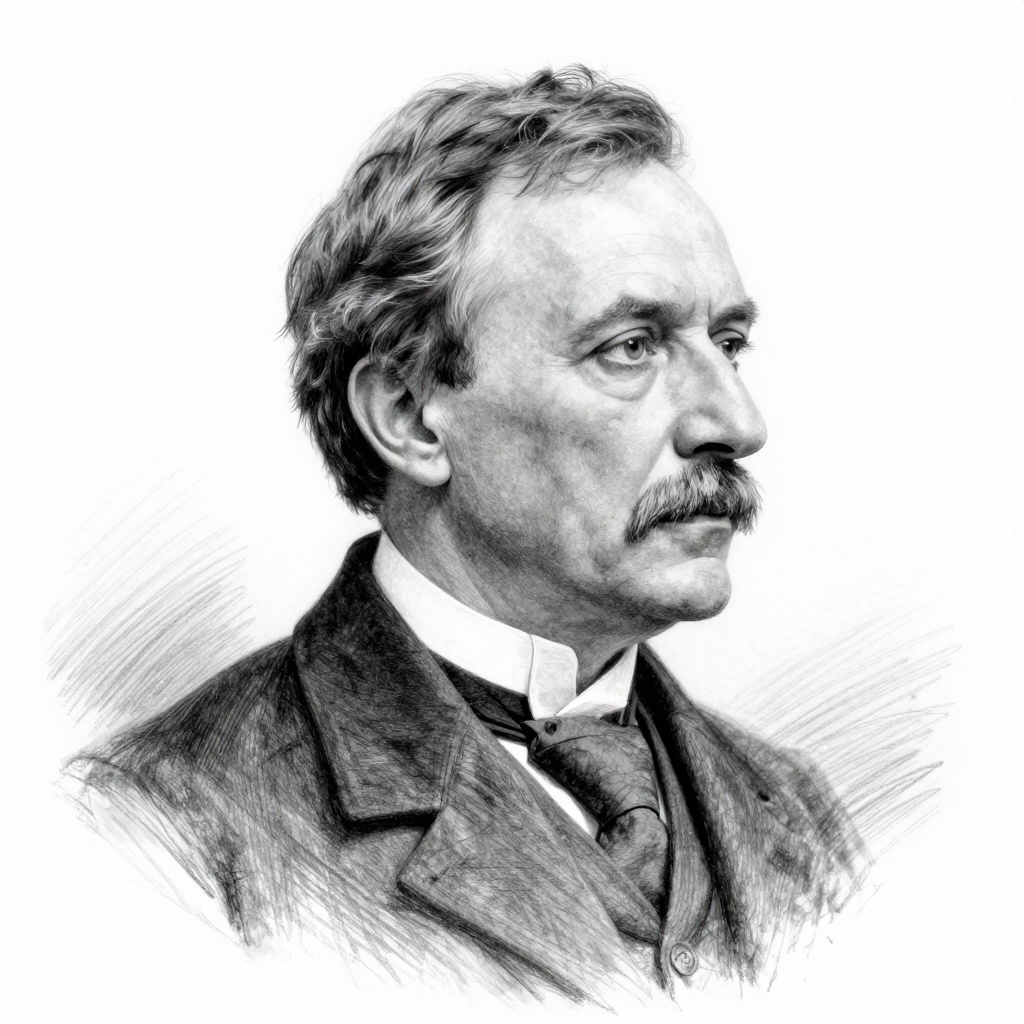
Comments