Quote · Added 28 March 2026
The best way to appreciate your job is to imagine yourself without one.
No ratings yet
Filed underjob·appreciation·perspective
Quote · Added 28 March 2026
Filed underjob·appreciation·perspective
We live in a strange moment where complaining about work has become almost a reflex. Monday morning dread, endless Slack notifications, meetings that could've been emails—it's so easy to focus on what's frustrating that we forget what having a paycheck actually provides. The simple act of imagining yourself unemployed does something unusual: it cuts through the noise and reminds you that your job isn't just about the annoying parts. It's shelter, stability, purpose, the ability to buy things without panic, the structure that keeps your days from becoming formless.
The trick isn't forced gratitude or toxic positivity. It's that genuine relief you feel when you realize you have somewhere to go, something to contribute, people depending on your work. That feeling is real appreciation, and it shifts your entire relationship to those frustrations. They're still real—that bad meeting still happened—but they exist against a background of security rather than defining your whole experience.
What's less obvious is that this perspective also makes you a better employee and a happier person, not through gritted-teeth acceptance but through clarity. When you stop taking your job for granted, you stop sleepwalking through it. You notice what actually matters to you about the work itself, which ironically makes the annoying parts feel less heavy. The job doesn't change. Your attention does.
1854–1900·lived 46 years
Oscar Wilde was an Irish playwright, novelist, and poet who is known for his wit, flamboyant style, and contribution to literature during the late 19th century. His notable works include "The Picture of Dorian Gray" and the comedic play "The Importance of Being Earnest." Wilde is often remembered for his sharp humor, extravagant lifestyle, and eventual downfall due to a public scandal and imprisonment for his homosexuality.
Also by Oscar Wilde
Nowadays people know the price of everything and the value of nothing.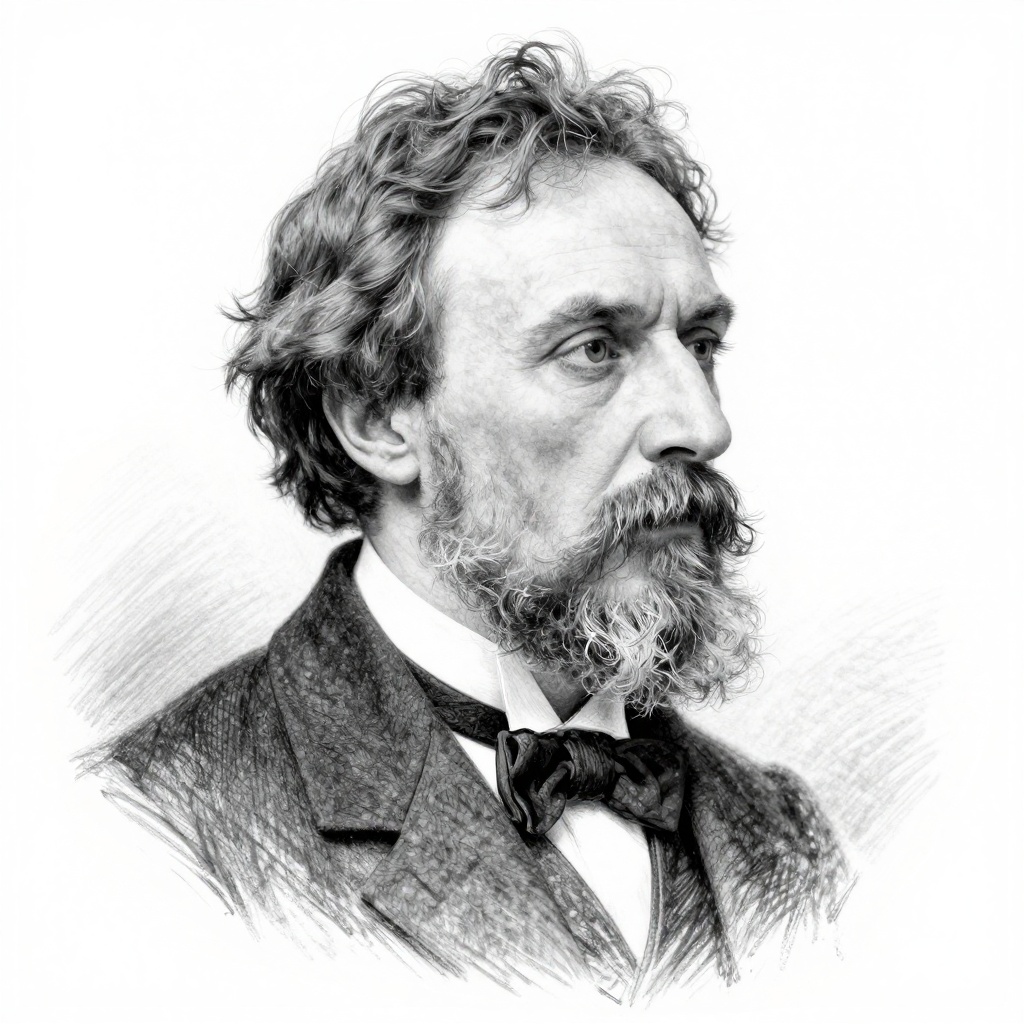
Comments