Quote · Added 10 February 2026
Never was anything great achieved without danger.
Niccolò MachiavelliThe Prince, p. 67, 1532
No ratings yet
Filed underdanger·achievement·courage
Quote · Added 10 February 2026
Filed underdanger·achievement·courage
We tend to treat safety and ambition as natural partners, but they're often at odds. The safe choice—keeping your job, staying in your lane, avoiding the messy middle of trying something new—rarely leads anywhere remarkable. This doesn't mean being reckless, but it does mean accepting that real growth lives in uncertain territory. Starting a business, changing careers, having a difficult conversation with someone you care about, or even just thinking differently than your community expects—these all carry real risk of failure or rejection.
What makes this harder today is that we have so many ways to stay small and comfortable. We can optimize our existing life endlessly, fine-tune our routine, avoid anything that might upset the careful balance. But the stakes of that caution are often invisible. We don't see the version of ourselves that could have emerged if we'd taken the leap.
The counterintuitive part: danger doesn't guarantee achievement, but the absence of it almost guarantees mediocrity. The real question isn't whether you can afford the risk—it's whether you can afford the regret of never trying. Sometimes the dangerous choice is also the more honest one.
1469–1527·lived 58 years
Niccolò Machiavelli (1469–1527) was an Italian diplomat, politician, and philosopher during the Renaissance. He is best known for his political treatise "The Prince," which explores the idea that the ends justify the means in politics, leading to the term "Machiavellian" being used to describe cunning and deceitful behavior in political affairs.
Also by Niccolò Machiavelli
If you see your friend with your enemy, be sure that both are your enemy. One openly, the...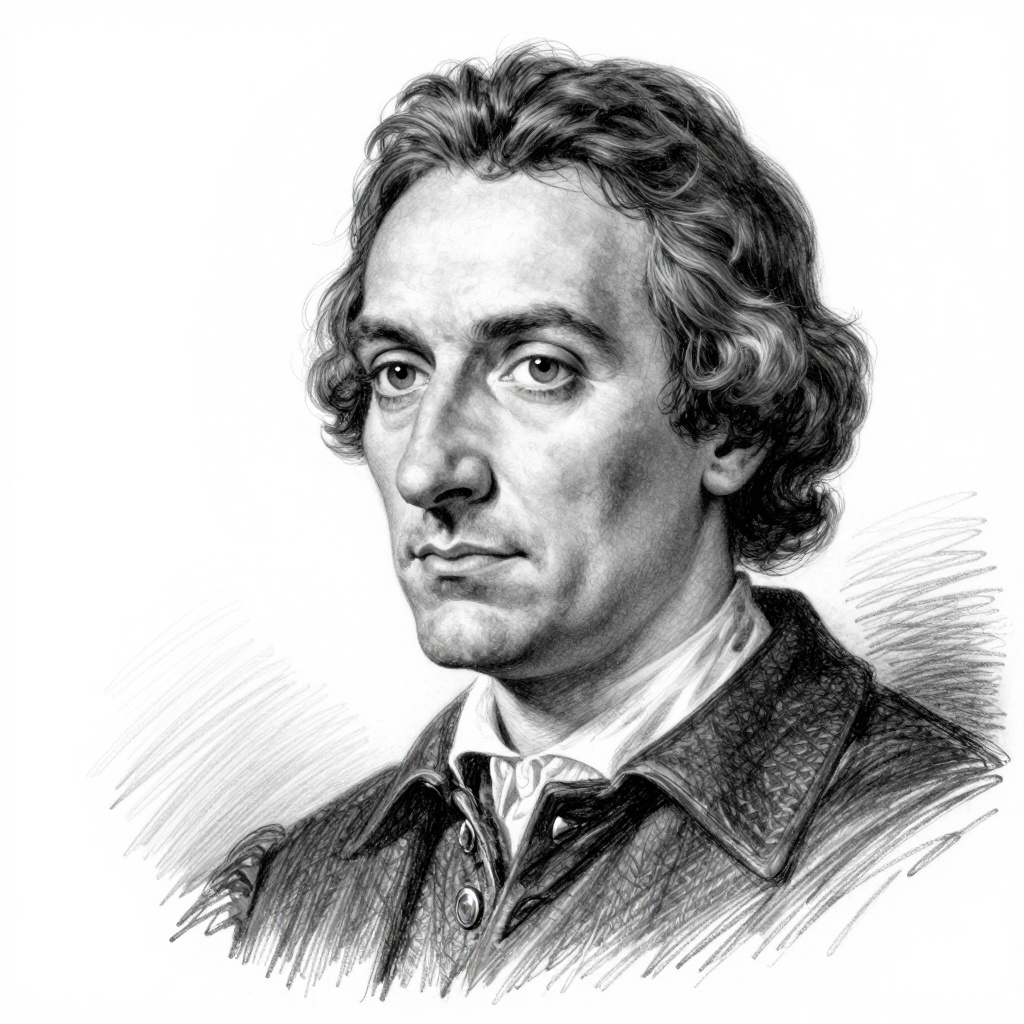
Comments