Quote · Added 23 September 2023
Men are so stupid and concerned with their present needs, they will always let themselves be deceived.
No ratings yet
Quote · Added 23 September 2023
We live in an age of unprecedented information, yet Machiavelli's observation still stings because it captures something true about human nature: we're easily distracted by immediate comfort. A company promises convenience, and we hand over our data. A politician offers quick solutions to complex problems, and we stop asking harder questions. It's not that we're inherently dim—it's that our brains are wired to prioritize the urgent over the important, the certain gain over the uncertain future.
The twist here is that understanding this weakness doesn't automatically free us from it. Knowing you're vulnerable to manipulation is different from actually resisting it. We can recognize the pattern in others while falling for it ourselves because the pressures of daily life—bills, deadlines, exhaustion—are real. It's genuinely hard to think long-term when you're tired. That's not stupidity; it's just the weight of living.
The useful takeaway isn't cynicism about human nature, but humility about our own blind spots. The more you notice yourself being convinced by something that feels too easy, the more you've learned to question. Machiavelli was describing a real vulnerability we all share, but awareness is the first step toward making different choices.
1469–1527·lived 58 years
Niccolò Machiavelli (1469–1527) was an Italian diplomat, politician, and philosopher during the Renaissance. He is best known for his political treatise "The Prince," which explores the idea that the ends justify the means in politics, leading to the term "Machiavellian" being used to describe cunning and deceitful behavior in political affairs.
Also by Niccolò Machiavelli
If you see your friend with your enemy, be sure that both are your enemy. One openly, the...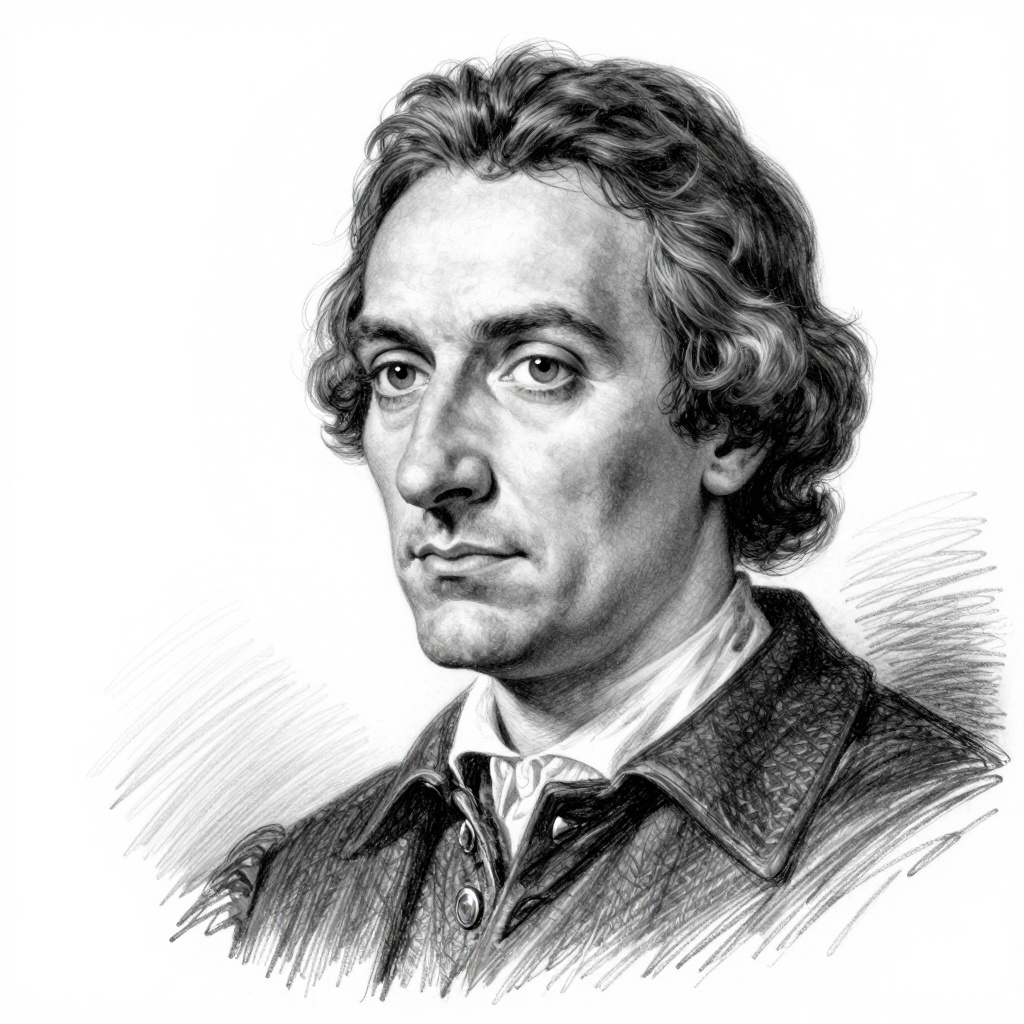
Comments