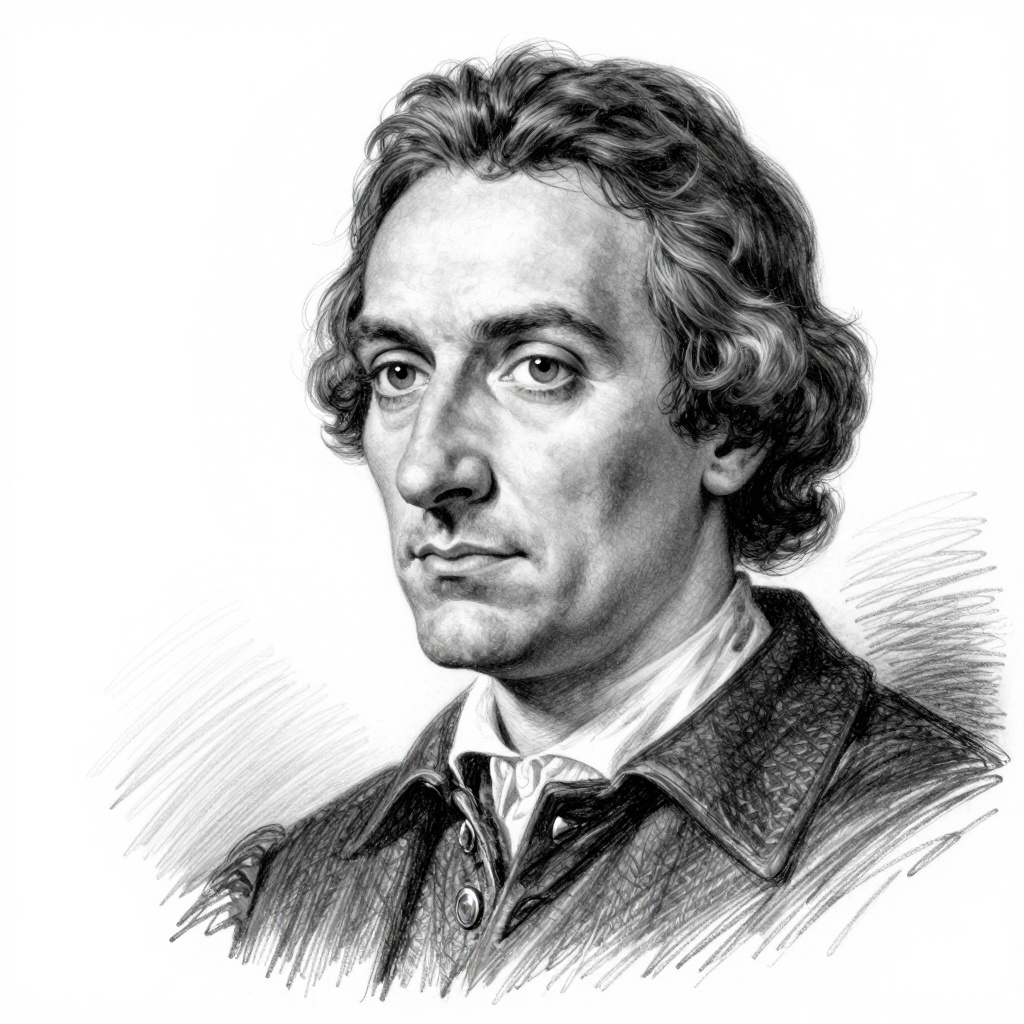
Men are so simple of mind, and so much dominated by their immediate needs, that a deceitful man will always fi... — Niccolò Machiavelli

Men are so simple of mind, and so much dominated by their immediate needs, that a deceitful man will always find plenty who are ready to be deceived.

Author: Niccolò Machiavelli

Insight: We like to think we're too smart to be fooled, but Machiavelli's observation cuts right to something uncomfortable: we're often willing accomplices in our own deception. When someone tells us what we want to hear, we don't exactly put up a fight. A recruiter promises flexible work, a product claims instant results, a politician offers easy answers to complicated problems—and we're quick to believe because the alternative requires effort and discomfort. We're not actually simple-minded so much as we're exhausted, distracted, and dealing with real pressures that make shortcuts tempting. The trick is that deception often works best on capable people, not just the gullible. We talk ourselves into believing things because they serve our needs in the moment. We trust the smooth talker because doubting them would mean admitting we made a bad hire. We share the outrageous article because it confirms what we already suspect. The vulnerability isn't stupidity—it's being human and overwhelmed. This doesn't mean we're doomed to be duped. It just means the first person to deceive is usually ourselves, which is why staying skeptical requires constant small effort: asking harder questions, sitting with uncomfortable uncertainty, and remembering that anyone good enough to fool you understands exactly what you want to believe.

Source: The Prince, 1513

Men are so simple of mind, and so much dominated by their immediate needs, that a deceitful man will always find plenty who are ready to be deceived.

Niccolò MachiavelliThe Prince, 1513

We deceive ourselves first

We like to think we're too smart to be fooled, but Machiavelli's observation cuts right to something uncomfortable: we're often willing accomplices in our own deception. When someone tells us what we want to hear, we don't exactly put up a fight. A recruiter promises flexible work, a product claims instant results, a politician offers easy answers to complicated problems—and we're quick to believe because the alternative requires effort and discomfort. We're not actually simple-minded so much as we're exhausted, distracted, and dealing with real pressures that make shortcuts tempting.

The trick is that deception often works best on capable people, not just the gullible. We talk ourselves into believing things because they serve our needs in the moment. We trust the smooth talker because doubting them would mean admitting we made a bad hire. We share the outrageous article because it confirms what we already suspect. The vulnerability isn't stupidity—it's being human and overwhelmed.

This doesn't mean we're doomed to be duped. It just means the first person to deceive is usually ourselves, which is why staying skeptical requires constant small effort: asking harder questions, sitting with uncomfortable uncertainty, and remembering that anyone good enough to fool you understands exactly what you want to believe.

Comments

Sign in to leave a comment or reply to one.

Sign in

Niccolò Machiavelli

Niccolò Machiavelli (1469–1527) was an Italian diplomat, politician, and philosopher during the Renaissance. He is best known for his political treatise "The Prince," which explores the idea that the ends justify the means in politics, leading to the term "Machiavellian" being used to describe cunning and deceitful behavior in political affairs.

Graph

Related