Quote · Added 14 February 2026
The first virtue in a soldier is endurance of fatigue; courage is only the second virtue.
Napoleon BonapartePrécis des guerres de César, écrit à Sainte-Hélène sous la dictée de l'empereur, p. 237, 1836
No ratings yet
Quote · Added 14 February 2026
We usually imagine courage as the main thing that separates heroes from the ordinary. But Napoleon's observation cuts closer to how life actually works. Most meaningful achievements aren't won in dramatic moments of bravery—they're built through the grinding, invisible work of showing up when you're exhausted. Whether you're building a career, learning a skill, or raising a family, the real test isn't whether you can be brave once. It's whether you can keep moving forward when motivation has worn thin and the task feels endless.
The insight applies to anyone pushing through a difficult season. That coworker who produces steady results isn't necessarily more talented than others—they've just mastered the art of working tired. The person who stays fit doesn't experience some magical absence of fatigue; they've trained themselves to act despite it. Courage gets the credit in stories, but endurance is what actually builds things. And here's the subtle part: when you practice endurance, you often discover that courage naturally follows. You can't separate them as cleanly as Napoleon suggests. The ability to keep going when depleted is itself a form of bravery most people never develop.
1769–1821·lived 51 years
Napoleon Bonaparte was a French military general and the first Emperor of France, reigning from 1804 to 1814. He is best known for his military conquests that expanded the French Empire and his role in the Napoleonic Wars that had a significant impact on European history.
Also by Napoleon Bonaparte
A man is respected for what he achieves, not for what he promises.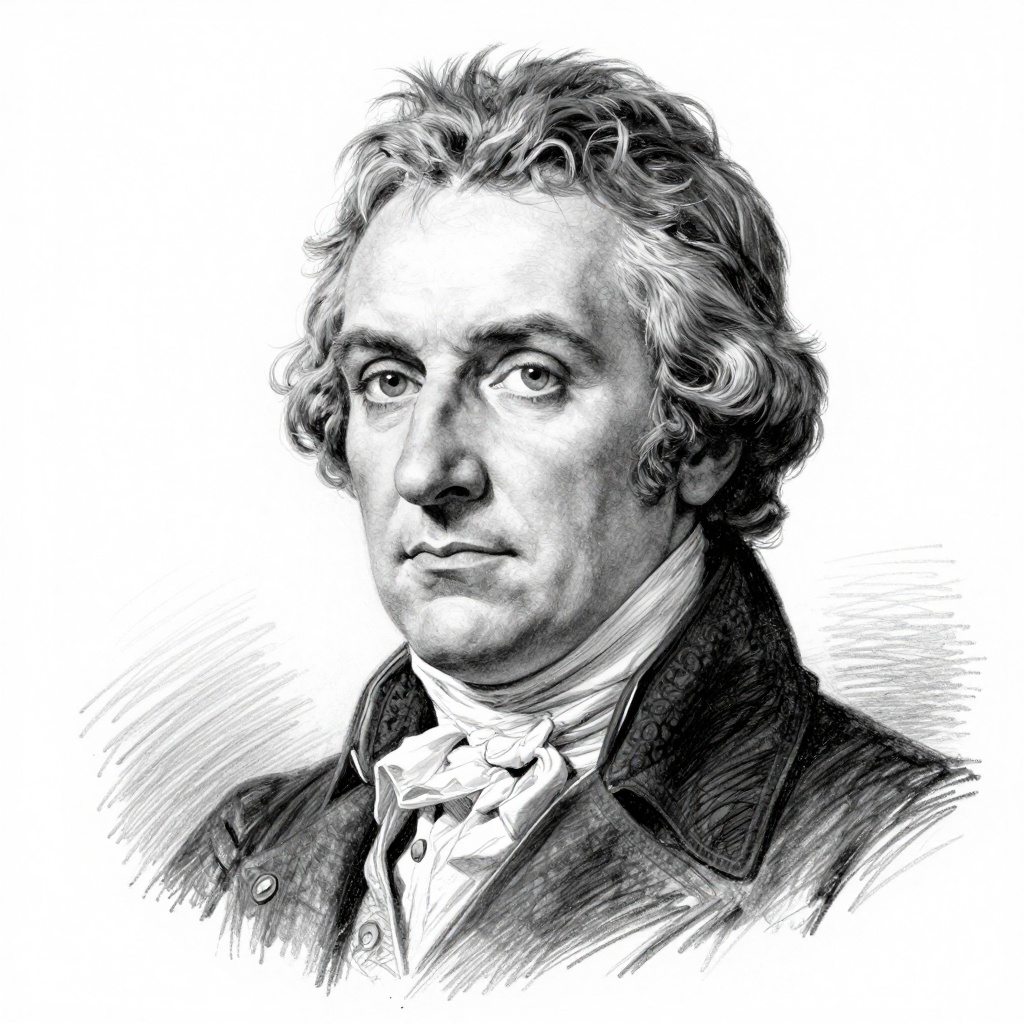
Comments