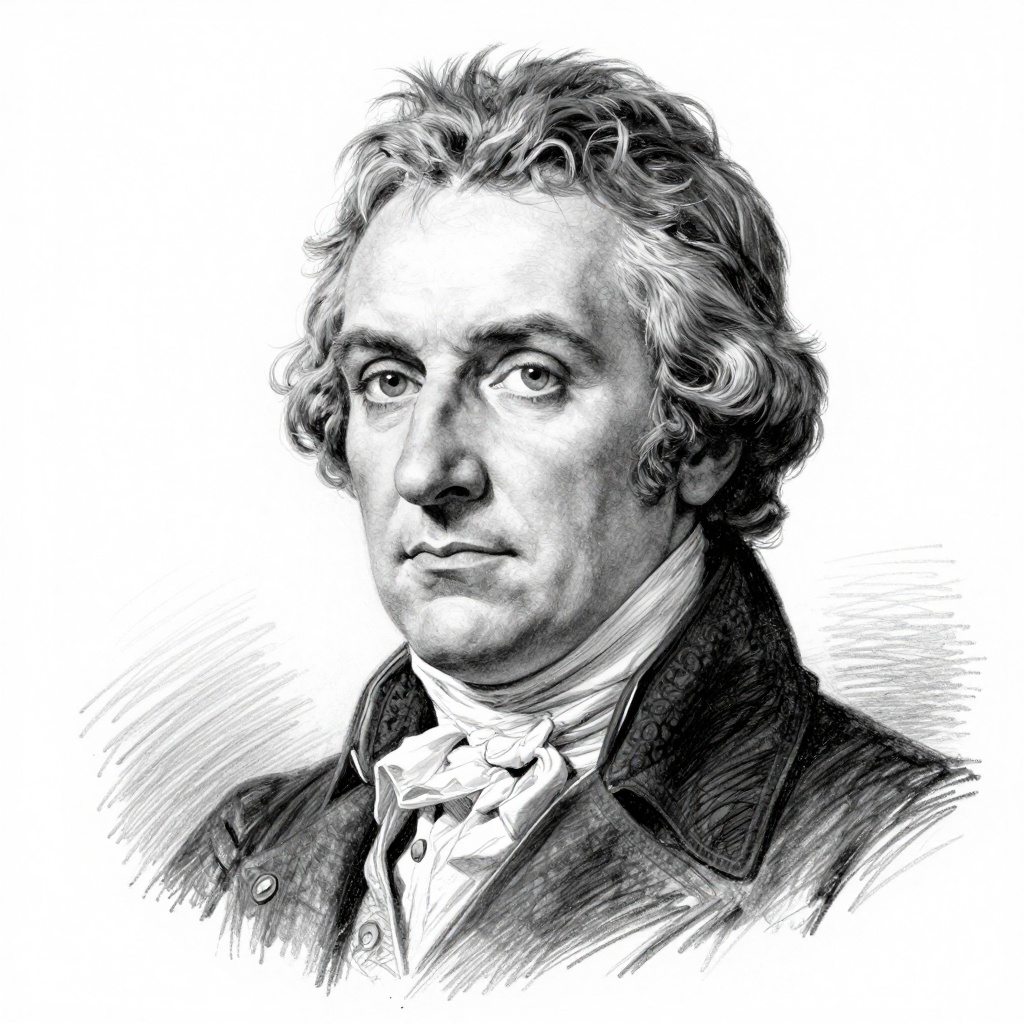
This quote reveals something uncomfortable about how power structures survive. Napoleon wasn't celebrating religion's spiritual gifts here—he was noting that belief systems function as a kind of social glue, giving people reasons to accept hardship without violently tearing everything down. Whether he meant it cynically or as straightforward observation, he was pointing at a real tension: people endure injustice more easily when they believe it has meaning or purpose, or when they trust in a better outcome later.
The quote still stings because we recognize the dynamic. We see it when struggling people turn to faith rather than rage, when they're told to be patient, that rewards await elsewhere. But there's a non-obvious flip side worth considering: believing in something beyond immediate survival also sometimes gives people strength to demand change, not just accept it. The civil rights movement didn't succeed through passive suffering—it harnessed religious conviction as fuel for transformation.
The real lesson might be that belief matters enormously in how we respond to unfairness. What we believe shapes whether we see inequality as inevitable or changeable, as punishment or injustice. That same power can stabilize systems or shake them. It all depends on what exactly people believe in, and whether those beliefs point toward acceptance or toward the door.