Quote · Added 9 February 2026
Imagination rules the world.
Napoleon BonaparteThe Mind of Napoleon, p. 45, 1920
No ratings yet
Filed underimagination·power·influence
Quote · Added 9 February 2026
Filed underimagination·power·influence
We tend to think of imagination as something for artists or daydreamers—a luxury, maybe even a distraction from "real work." But Napoleon was onto something harder to ignore: the world actually runs on images and stories we collectively believe in before they exist. Money, nations, laws, companies—none of these are physical facts. They're shared imaginative constructs that billions of people agree to treat as real. Once enough people imagine something into being, it becomes the most powerful force around.
This matters more in daily life than it seems. The person who can imagine a different career path, a different kind of relationship, or a different version of their own potential is already halfway there. Meanwhile, someone trapped in a rigid mental picture of how things "have to be" stays stuck, regardless of actual circumstances. Our limitations are often just the boundaries of what we've allowed ourselves to picture.
The twist is that imagination isn't naive or soft. It's ruthlessly practical. Every bridge started as an image in someone's mind. Every social movement began with people imagining a world that didn't yet exist. The gap between dreamers and doers isn't as wide as we think—it's mostly the willingness to take what's imagined seriously enough to act on it.
1769–1821·lived 51 years
Napoleon Bonaparte was a French military general and the first Emperor of France, reigning from 1804 to 1814. He is best known for his military conquests that expanded the French Empire and his role in the Napoleonic Wars that had a significant impact on European history.
Also by Napoleon Bonaparte
A man is respected for what he achieves, not for what he promises.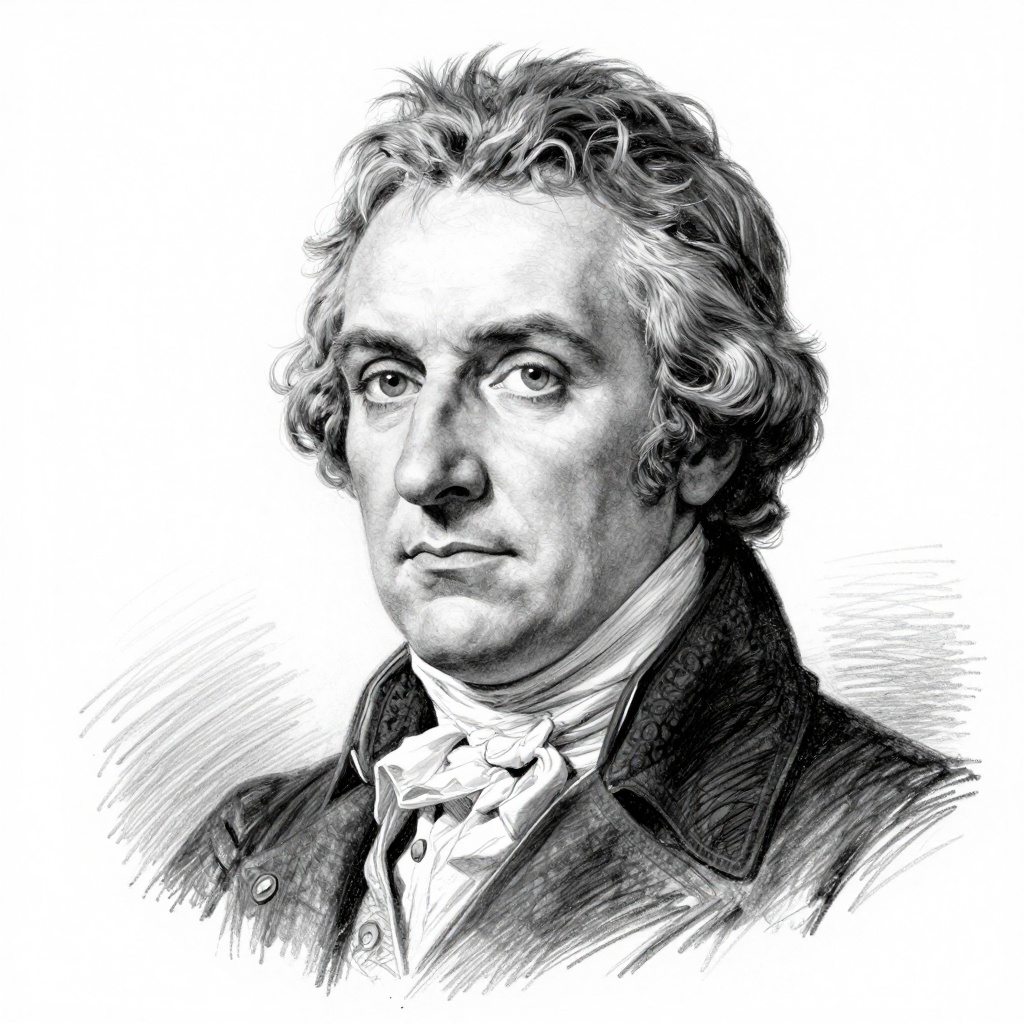
Comments