Quote · Added 1 September 2025
I can no longer obey; I have tasted command, and I cannot give it up.
No ratings yet
Quote · Added 1 September 2025
There's a particular kind of power that's hard to un-taste once you've had it—not just the external authority, but the intoxication of making decisions that matter, of seeing people move because you said so. Napoleon understood something psychological that most people only discover quietly in their own lives: once you've felt the weight of real responsibility and seen it work, going back to following someone else's vision feels like a cage.
This shows up everywhere, not just in military empires. Someone gets promoted and suddenly can't imagine reporting to anyone again. A parent who's managed a household feels lost when their kids leave. A freelancer who built their own thing struggles mightily with a boss. It's not always about ego, either. Command changes how you think—you stop asking "what should I do?" and start asking "what needs to happen?" That shift in your brain doesn't reverse easily.
The tricky part Napoleon didn't mention: that hunger for command often leads people to seize it in destructive ways, or to become resentful when circumstances strip it away. The insight here isn't that wanting autonomy is wrong. It's that once you've tasted it, you need to be honest about what you'll actually do to keep it—and what compromises might be worth making instead.
1769–1821·lived 51 years
Napoleon Bonaparte was a French military general and the first Emperor of France, reigning from 1804 to 1814. He is best known for his military conquests that expanded the French Empire and his role in the Napoleonic Wars that had a significant impact on European history.
Also by Napoleon Bonaparte
A man is respected for what he achieves, not for what he promises.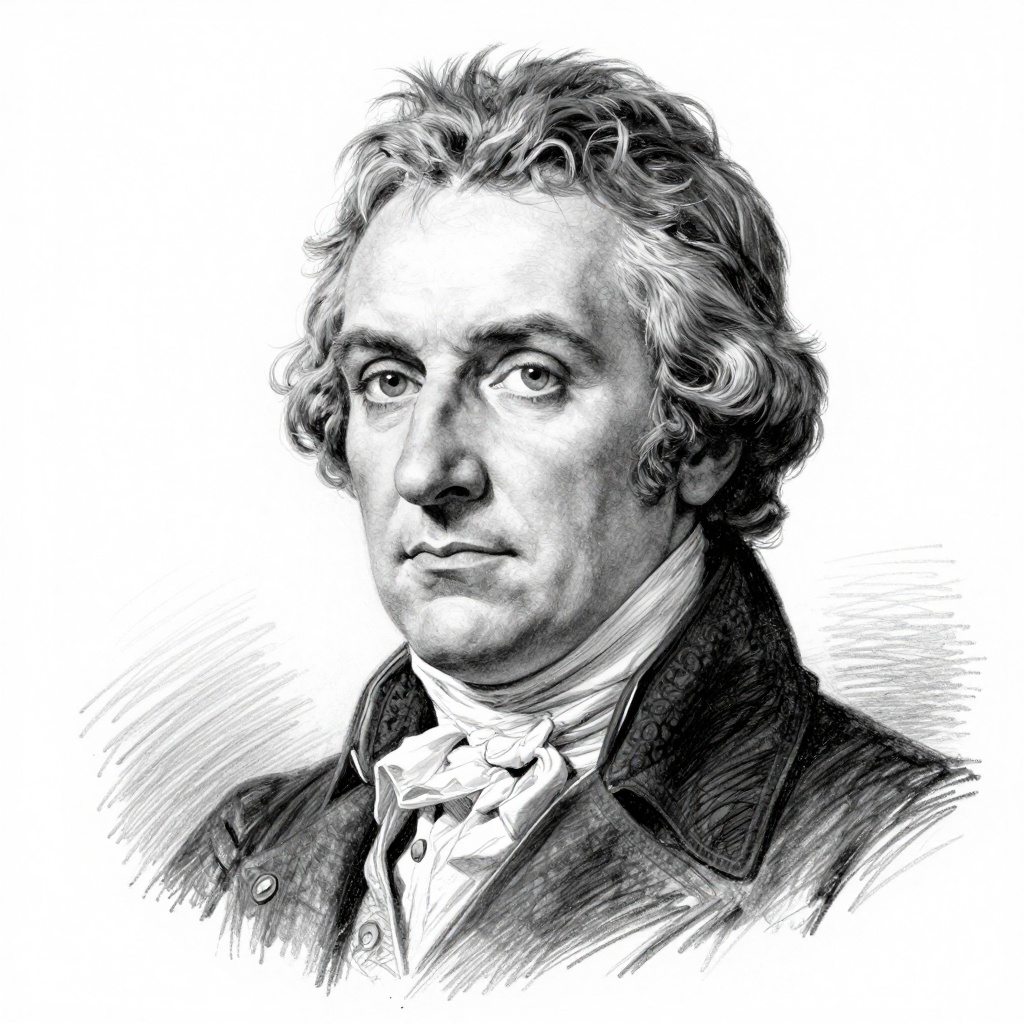
Comments