Quote · Added 5 July 2024
He who loses wealth loses much; he who loses a friend loses more; but he that loses his courage loses all.
Miguel de CervantesDon Quixote, Part 2, Chapter 8, 1615
Filed undercourage·friendship·loss
Quote · Added 5 July 2024
Filed undercourage·friendship·loss
We live in a culture obsessed with accumulation and protection—money in the bank, friends in our network, achievements on our résumé. But this quote sketches a different hierarchy of loss, and it lands harder the more you sit with it. Money can be earned again. Good friendships, admittedly rarer, can sometimes be rebuilt or replaced. But courage? That's the foundation everything else stands on.
Here's the thing most of us don't want to admit: we lose courage gradually, usually without noticing. It happens when we stop speaking up in meetings because we're afraid of looking foolish. It happens when we avoid the difficult conversation, the risky career move, or the dream that feels too vulnerable to pursue. Each small retreat feels manageable in the moment, but they compound. We wake up one day realizing we've outsourced our own life to fear.
The insight isn't that courage is noble or admirable. It's that courage is actually functional—it's the muscle that lets you rebuild after losing money, reconnect after losing friends, or try anything new at all. Without it, you're just managing decline. With it, losses become temporary setbacks instead of permanent defeats.
1547–1616·lived 68 years
Miguel de Cervantes was a Spanish writer and author best known for his novel "Don Quixote." Regarded as one of the greatest works of literature, "Don Quixote" is considered the first modern European novel and has had a profound influence on the development of fiction.
Also by Miguel de Cervantes
The truth may be stretched thin, but it never breaks, and it always surfaces above lies, a...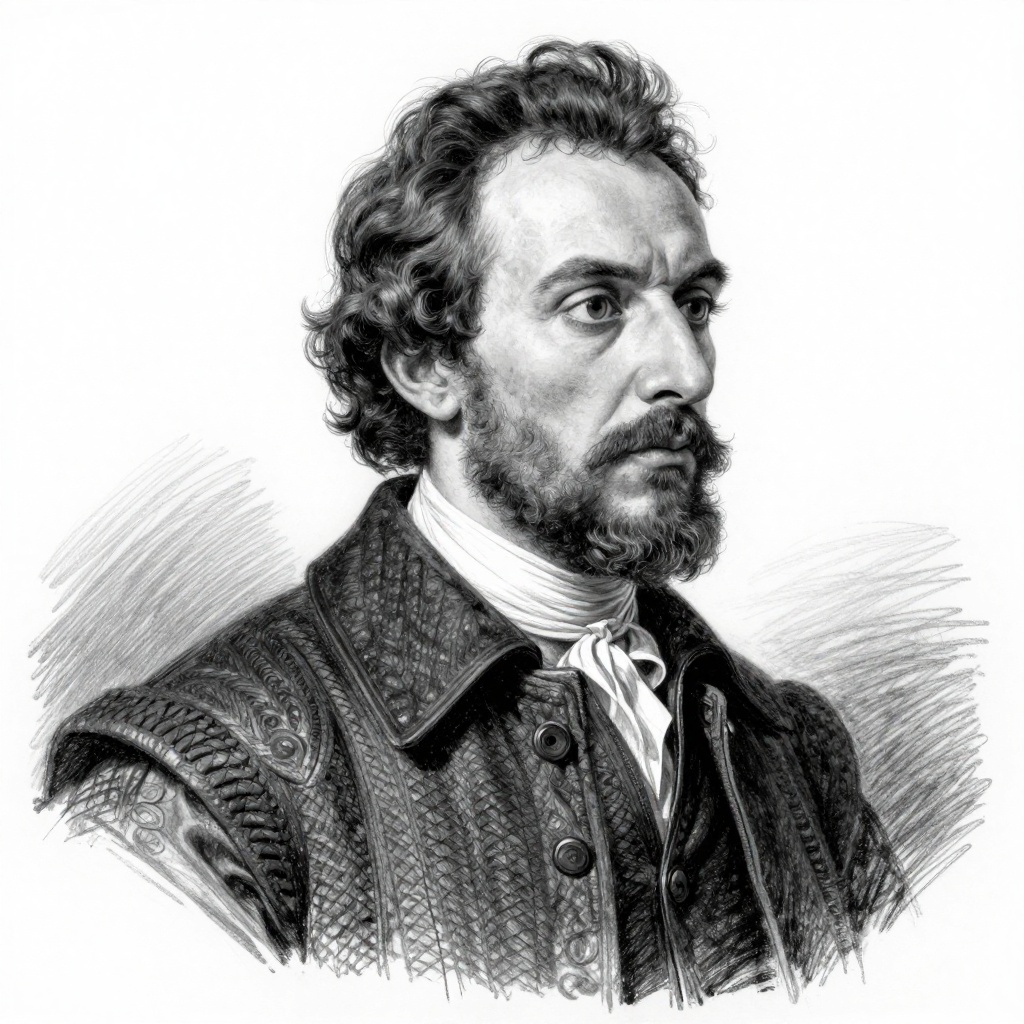
Comments