Quote · Added 28 February 2026
Reading
AI generatedThe hardest mirror you'll ever face
Most of us spend our lives running away from the hardest question: who are we actually, beneath the routines and the roles we play? We know our job title, our relationship status, our Netflix preferences, but the deeper stuff—our real motivations, our blind spots, where we're fooling ourselves—that stays buried. Cervantes was onto something brutal: self-knowledge is hard not because it requires fancy tools or years of therapy, but because we actively resist it. It's easier to blame circumstances, other people, bad luck.
The tricky part is that knowing yourself isn't a destination you reach once and check off. You change. Your circumstances change. The thing you swore you'd never do becomes tempting. The person you thought you were doesn't match who you're becoming. So self-knowledge becomes this ongoing, uncomfortable conversation with yourself—noticing when you're defensive, asking why you actually made that choice, recognizing patterns you'd rather ignore. It's why people in their forties or sixties suddenly see themselves differently. They finally got curious enough to look.
The payoff, though, is real. When you actually know what you want versus what you think you should want, what you're good at versus what you're pretending to be good at, you stop wasting energy on the wrong things. You stop being surprised by yourself in bad ways. That clarity—however uncomfortable the path to get there—is the foundation for everything that matters.
The author
All 5 quotes by Miguel de Cervantes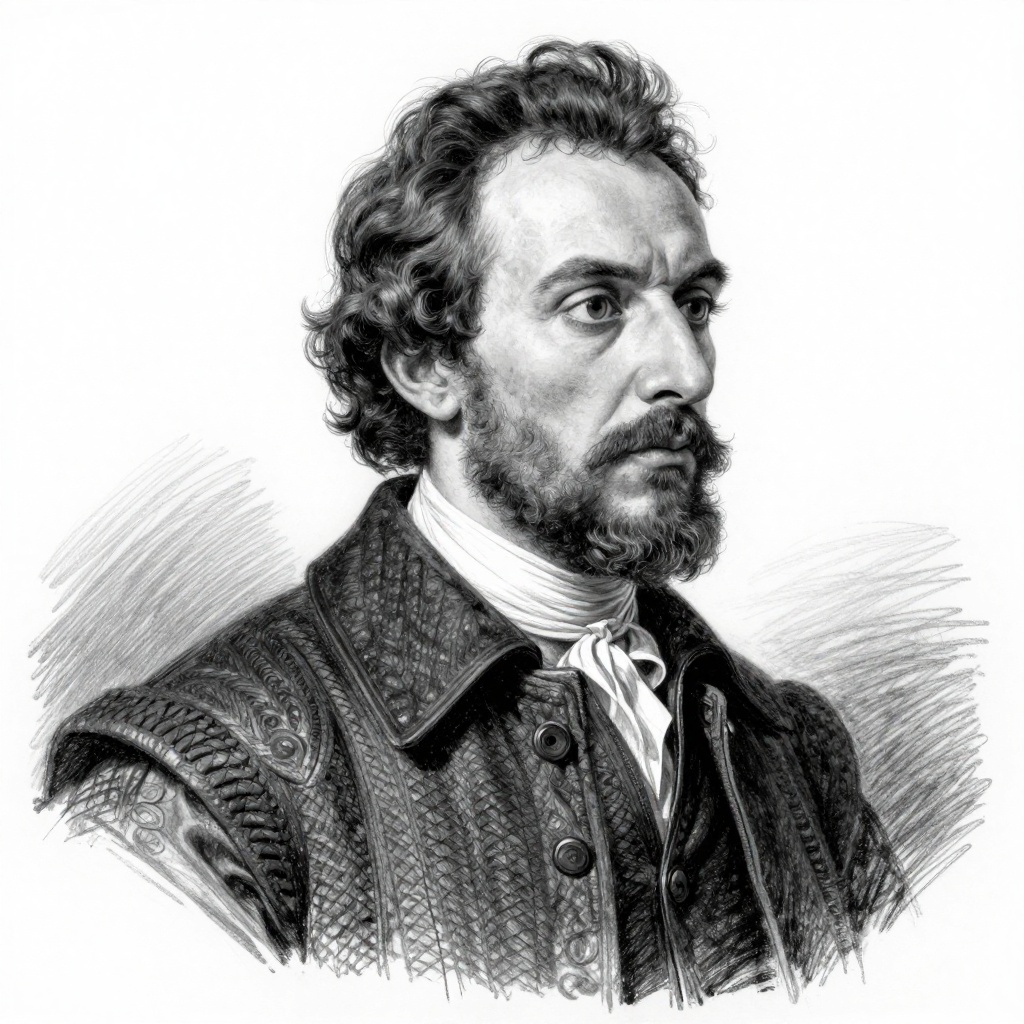
Miguel de Cervantes
1547–1616·lived 68 years
Miguel de Cervantes was a Spanish writer and author best known for his novel "Don Quixote." Regarded as one of the greatest works of literature, "Don Quixote" is considered the first modern European novel and has had a profound influence on the development of fiction.
Also by Miguel de Cervantes
The truth may be stretched thin, but it never breaks, and it always surfaces above lies, a...
Comments