Quote · Added 14 February 2026
In order to attain the impossible, one must attempt the absurd.
Filed underimpossible·ambition·absurdity
Quote · Added 14 February 2026
Filed underimpossible·ambition·absurdity
We live in a world that's excellent at explaining why things won't work. Someone will always have data about the odds, a cautionary tale about someone who tried, or a perfectly logical reason why your idea is impractical. And they're often right—which is exactly the problem. The truly ambitious things almost never look sensible from the starting line.
Think about the moments when real change happened: someone had to believe that flying machines were possible when every expert said they were wasting their time, or that small groups could actually challenge enormous systems. These people didn't have secret information proving they'd succeed. They just moved forward despite the absurdity, despite looking foolish. That willingness to seem ridiculous is often what separates people who accomplish something meaningful from those who talk about it.
The tricky part is distinguishing between productive absurdity and mere delusion. But here's what often gets missed: you don't need certainty to start. You just need to be willing to feel a little uncomfortable, to do something that makes logical sense to question, and to keep going anyway. The impossible becomes possible not through some sudden revelation that it was actually realistic all along—but through the stubborn decision to attempt it regardless.
1547–1616·lived 68 years
Miguel de Cervantes was a Spanish writer and author best known for his novel "Don Quixote." Regarded as one of the greatest works of literature, "Don Quixote" is considered the first modern European novel and has had a profound influence on the development of fiction.
Also by Miguel de Cervantes
The truth may be stretched thin, but it never breaks, and it always surfaces above lies, a...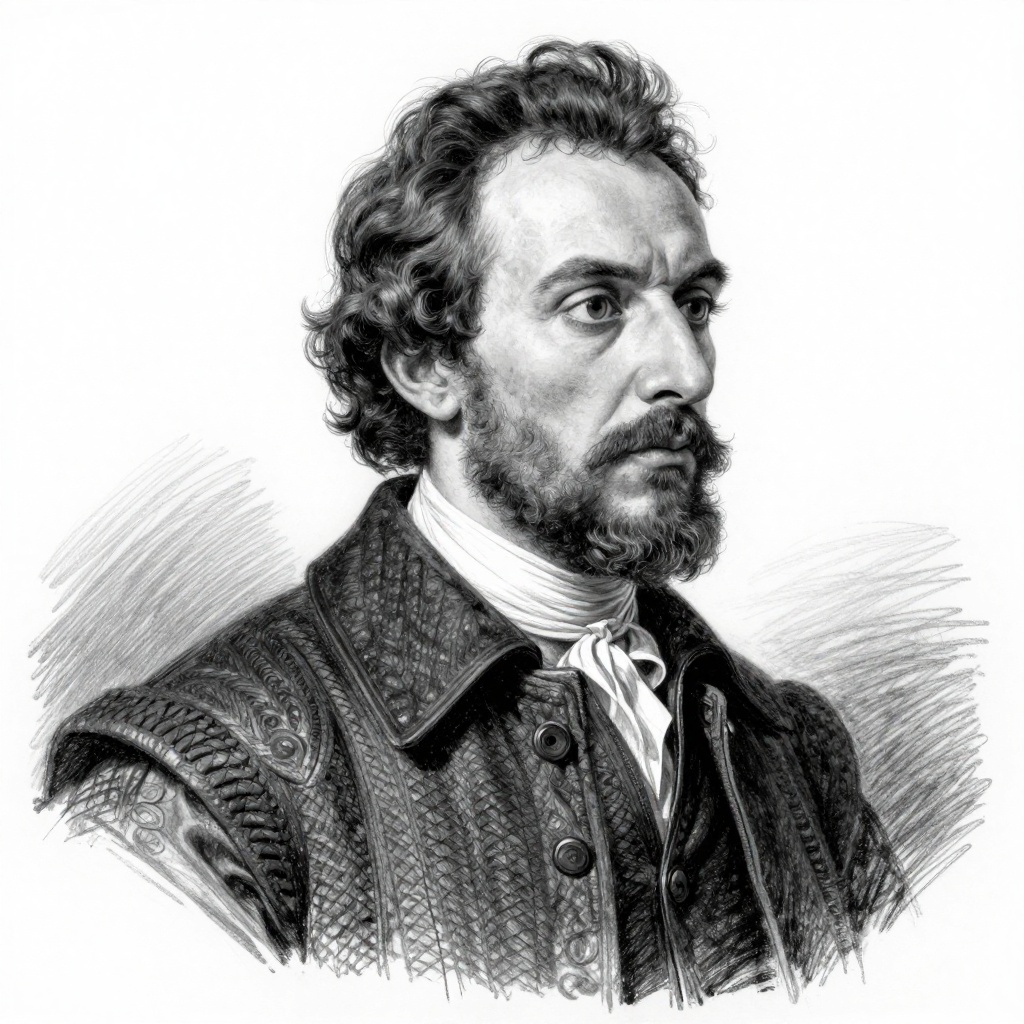
Comments