Quote · Added 26 September 2025
The secret of freedom lies in educating people, whereas the secret of tyranny is in keeping them ignorant.
Maximilien RobespierreOeuvres, Volume 2, p. 253, 1840
No ratings yet
Quote · Added 26 September 2025
We tend to think freedom is something granted from above—a constitution signed, rights declared, systems put in place. But this quote suggests something more unsettling: that freedom only becomes real when people actually understand what it means and how to use it. An uneducated population can be handed a ballot and still be manipulated by whoever controls the information. They can have "rights on paper" while remaining dependent on whoever tells them what to think.
The tyranny part feels obvious now—we see it in real time, in how misinformation spreads, how people can be turned against their own interests through ignorance. But the flip side is the harder truth: freedom requires constant, unglamorous work. It means reading past the headlines, asking uncomfortable questions, understanding how systems actually work. It's not a finished state you achieve; it's something you have to actively maintain through learning.
This matters right now because we live in an age of unprecedented information access alongside unprecedented distraction. Having facts available isn't the same as being educated. Real freedom, then, isn't about having more choices presented to you—it's about having the actual knowledge and critical thinking to choose well. That burden falls on each of us, not just governments or institutions.
1758–1794·lived 36 years
Maximilien Robespierre (1758–1794) was a prominent French lawyer and politician who became a key figure during the French Revolution. Known for his uncompromising radical views, he played a leading role in the Reign of Terror, a period of mass executions that aimed to purge France of counter-revolutionaries. Robespierre was eventually arrested and executed during the Thermidorian Reaction, marking the end of his controversial and tumultuous political career.
Also by Maximilien Robespierre
Terror is only justice: prompt, severe and inflexible; it is then an emanation of virtue;...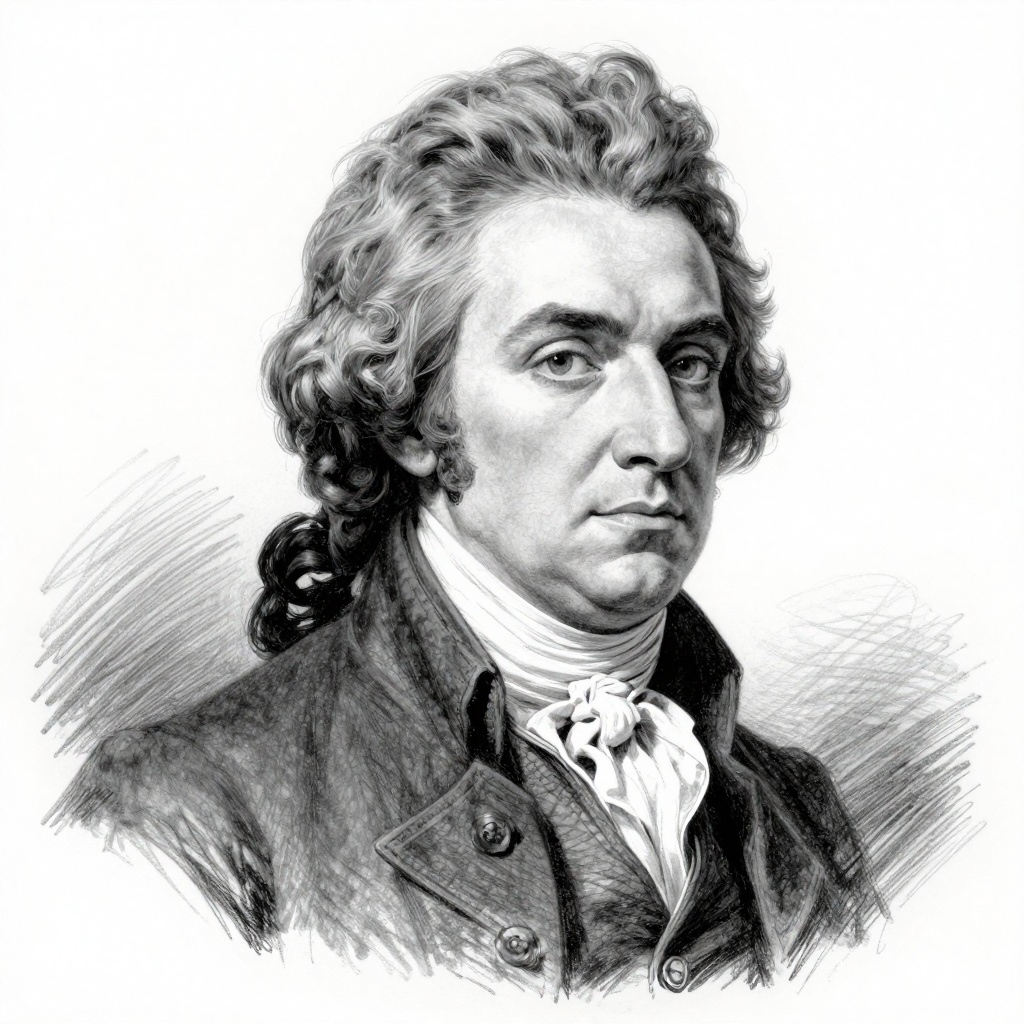
Comments