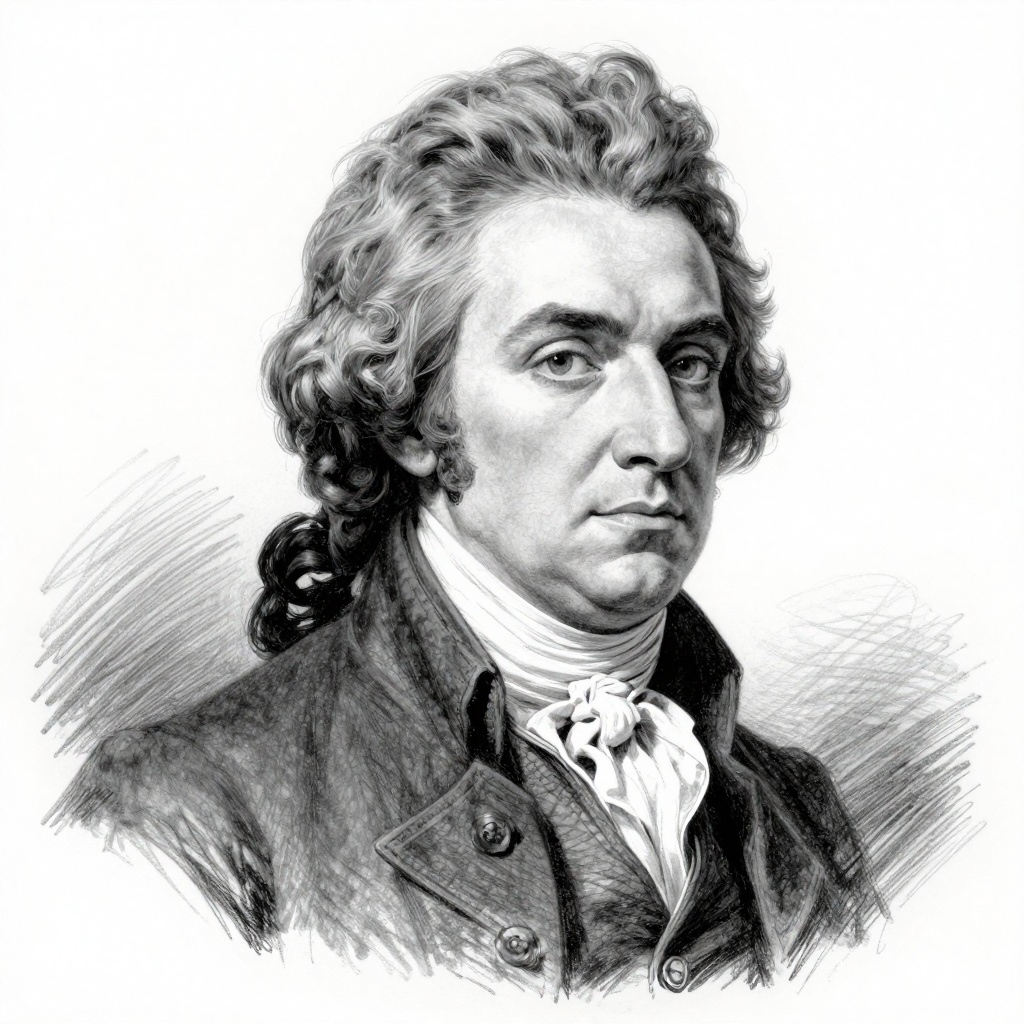
Terror is only justice: prompt, severe and inflexible; it is then an emanation of virtue; it is less a distinc... — Maximilien Robespierre

Terror is only justice: prompt, severe and inflexible; it is then an emanation of virtue; it is less a distinct principle than a natural consequence of the general principle of democracy, applied to the most pressing wants of the country.

Author: Maximilien Robespierre

Insight: This is one of history's most chilling quotes, and it reveals something unsettling about how reasonable people justify terrible things. Robespierre believed the French Revolution's violence was actually just speed-run justice—that eliminating enemies without trial was democracy working as it should. He wrapped brutality in the language of virtue, telling himself that emergency circumstances made cruelty logical. The trap here is that this reasoning never actually stays limited to emergencies. Once you accept that terror serves the greater good, the definition of "pressing need" keeps expanding. Political opponents become threats. Critics become enemies of the state. The people you're afraid of always deserve it, in your own mind. Robespierre's logic led to the Reign of Terror, where thousands died, including people he'd once allied with. What makes this quote matter today isn't just history lessons. It's a warning about how we can rationalize harming people we disagree with when we're convinced our cause is righteous enough. We don't need guillotines to fall into this trap. It happens whenever we decide that someone's political views, identity, or dissent makes them too dangerous to deserve basic fairness. The language changes, but the thinking pattern—that virtue justifies severity—is disturbingly recognizable.

When virtue becomes the excuse

Terror is only justice: prompt, severe and inflexible; it is then an emanation of virtue; it is less a distinct principle than a natural consequence of the general principle of democracy, applied to the most pressing wants of the country.

This is one of history's most chilling quotes, and it reveals something unsettling about how reasonable people justify terrible things. Robespierre believed the French Revolution's violence was actually just speed-run justice—that eliminating enemies without trial was democracy working as it should. He wrapped brutality in the language of virtue, telling himself that emergency circumstances made cruelty logical.

The trap here is that this reasoning never actually stays limited to emergencies. Once you accept that terror serves the greater good, the definition of "pressing need" keeps expanding. Political opponents become threats. Critics become enemies of the state. The people you're afraid of always deserve it, in your own mind. Robespierre's logic led to the Reign of Terror, where thousands died, including people he'd once allied with.

What makes this quote matter today isn't just history lessons. It's a warning about how we can rationalize harming people we disagree with when we're convinced our cause is righteous enough. We don't need guillotines to fall into this trap. It happens whenever we decide that someone's political views, identity, or dissent makes them too dangerous to deserve basic fairness. The language changes, but the thinking pattern—that virtue justifies severity—is disturbingly recognizable.

AI generated

Comments

Sign in to leave a comment or reply to one.

Sign in

Maximilien Robespierre

Maximilien Robespierre (1758–1794) was a prominent French lawyer and politician who became a key figure during the French Revolution. Known for his uncompromising radical views, he played a leading role in the Reign of Terror, a period of mass executions that aimed to purge France of counter-revolutionaries. Robespierre was eventually arrested and executed during the Thermidorian Reaction, marking the end of his controversial and tumultuous political career.

Graph

Related