Quote · Added 14 February 2026
Pray, and let God worry.
Martin LutherLetter to Katharina von Bora, February 1546
Quote · Added 14 February 2026
There's something almost radical about this advice in a world that treats worry as a sign of responsibility. We've been taught that caring means obsessing, that vigilance means control. Luther's suggestion flips that: the moment you hand something over to prayer, you're supposed to actually let go of it. Not ignore it. Not pretend it doesn't matter. But stop rehearsing the problem in your head at 3 a.m.
The tension he's pointing to is real. Most of us can identify the exact moment worry stops being useful and becomes just noise—when we're replaying conversations, imagining worst-case scenarios, trying to solve problems that haven't happened yet. At that point, we're not being careful; we're just suffering twice. Prayer, in this framework, is less about magical intervention and more about drawing a line between what you can actually influence and what you can't. Do the work you can do today. Make the phone call, have the conversation, prepare what needs preparing. Then stop.
What's quietly powerful here is that it doesn't demand you become zen or worry-free. It just suggests the moment of handing something over might feel like relief instead of irresponsibility.
1483–1546·lived 62 years
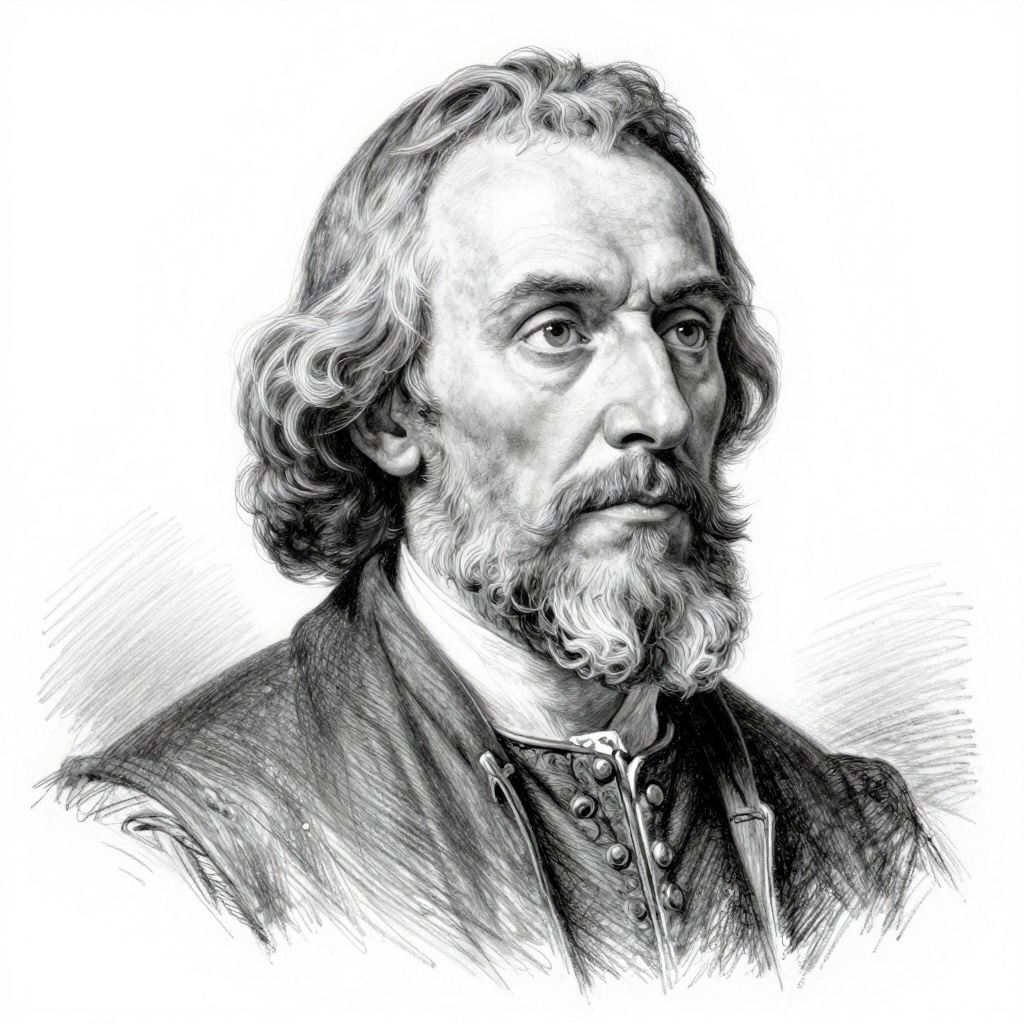
Martin Luther was a German theologian, professor, and prominent figure of the Protestant Reformation in the 16th century. He is best known for challenging the teachings of the Roman Catholic Church, particularly the sale of indulgences, and for his Ninety-Five Theses which sparked a wave of religious reform across Europe.
Comments