Quote · Added 14 February 2026
When people do not respect us we are sharply offended; yet in his private heart no man much respects himself.
Mark TwainThe Mysterious Stranger, 1916
Filed underrespect·offense·self-esteem
Quote · Added 14 February 2026
Filed underrespect·offense·self-esteem
There's a real tension buried in this observation. We get genuinely hurt when someone dismisses us or doesn't take us seriously—that sting feels completely legitimate. But Twain is suggesting something darker: the person doing the dismissing probably doesn't respect themselves much either. It's almost like we're all walking around slightly insecure, defending territory we're not entirely sure we deserve.
What makes this useful is recognizing that when someone disrespects you, it often says more about their internal doubt than your actual worth. That doesn't make the hurt disappear, but it shifts something. Instead of internalizing the judgment, you can see it as evidence they're struggling too. Meanwhile, the people who genuinely seem secure rarely go around tearing others down—they're too busy respecting themselves to obsess over the hierarchy.
The trickier part is applying this to yourself. Twain's implying we all carry this secret shame, this private knowledge that we're not quite what we pretend. The invitation isn't to spiral deeper into self-doubt, but to recognize it as universal. You're not uniquely broken for doubting yourself. Maybe the goal isn't finally achieving perfect self-respect, but getting comfortable enough with your own imperfection that you stop needing others to constantly prove you're worth something.
1835–1910·lived 74 years
Mark Twain was an American writer and humorist known for his classic novels "Adventures of Huckleberry Finn" and "The Adventures of Tom Sawyer." His works often reflected his wit, satire, and keen observations on American society, solidifying his place as one of the greatest American authors of all time.
Also by Mark Twain
There are no laughs in life unless you take them yourself.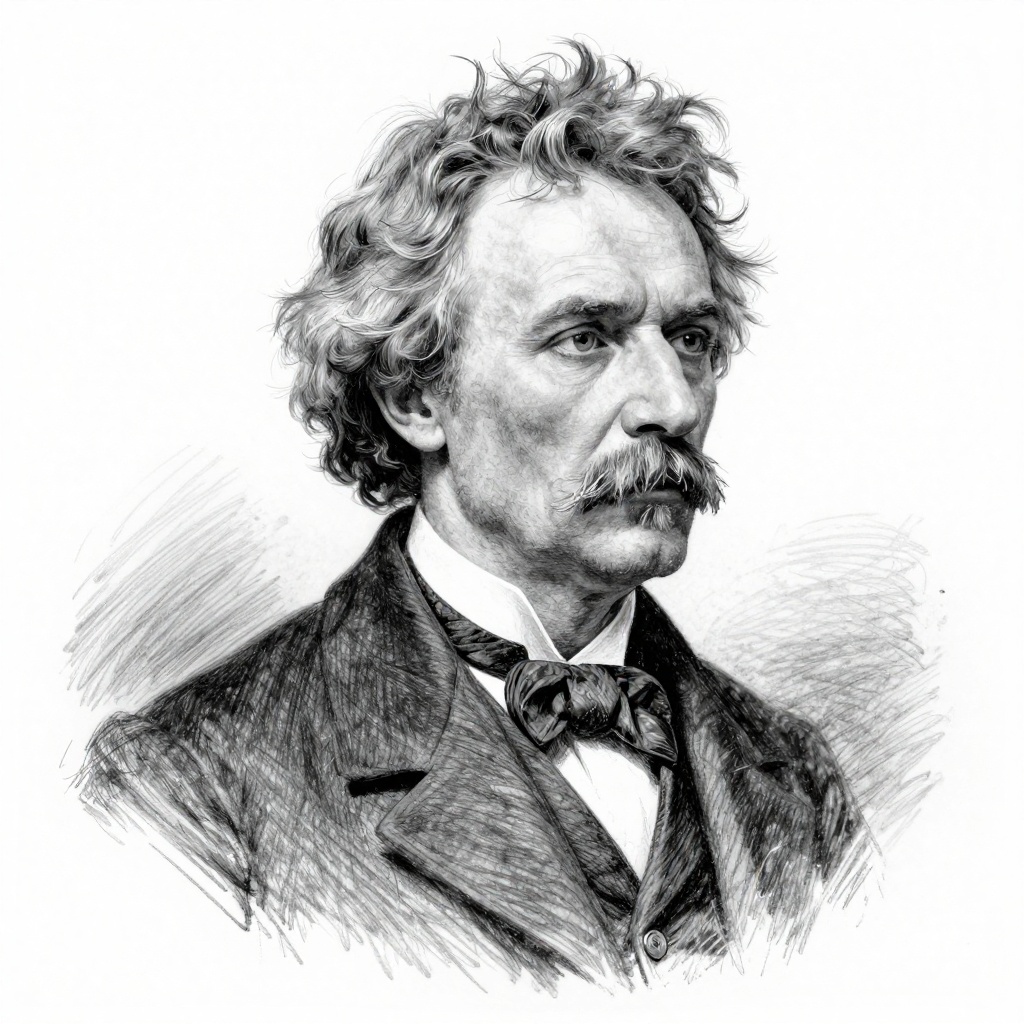
Comments