Quote · Added 27 February 2026
Reading
AI generatedAdmitting wrong costs more than believing it
We live in an age of endless fact-checking, yet this quote feels more true than ever. Once someone believes something—whether it's about politics, health, a friend's character, or their own abilities—asking them to reverse course requires something much harder than just presenting evidence. It means admitting they were wrong, which stings in a way that simply being wrong in the first place never does.
The tricky part is that this applies to all of us, not just "other people" we dismiss as gullible. You can fall for a misleading headline, adopt a half-baked financial strategy, or hold a grudge based on incomplete information. The moment you've acted on that belief—told others about it, made decisions around it, built part of your identity on it—you've invested something real. Backing down feels like losing, even when the truth is better than the comfortable lie.
This isn't really about stupidity. It's about how our brains work. We're protective of what we believe because belief gives us a sense of control and coherence in a chaotic world. The real skill, then, isn't just thinking critically about new information. It's building the humility to sit with discomfort when you discover you've been wrong. That's the harder work, and probably the more important one.
The author
All 108 quotes by Mark Twain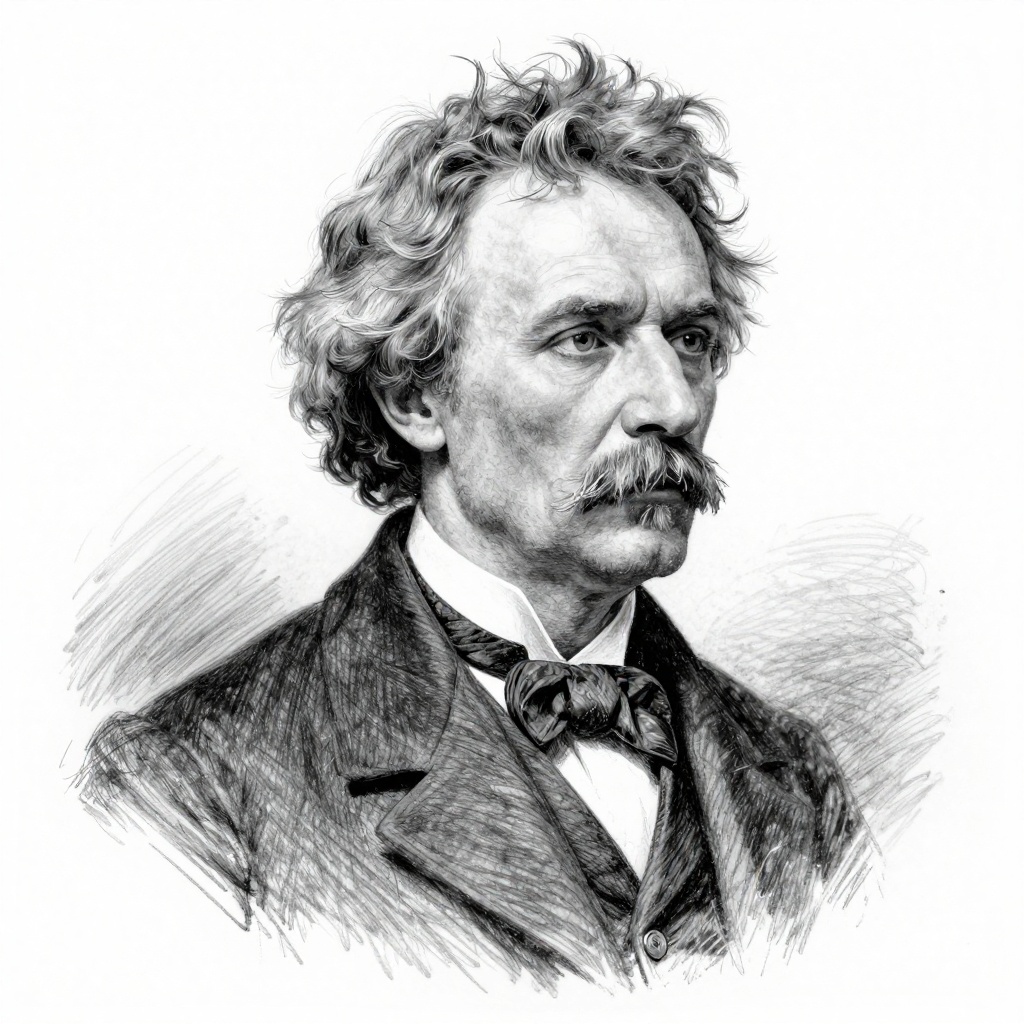
Mark Twain
1835–1910·lived 74 years
Mark Twain was an American writer and humorist known for his classic novels "Adventures of Huckleberry Finn" and "The Adventures of Tom Sawyer." His works often reflected his wit, satire, and keen observations on American society, solidifying his place as one of the greatest American authors of all time.
Also by Mark Twain
There are no laughs in life unless you take them yourself.
Comments