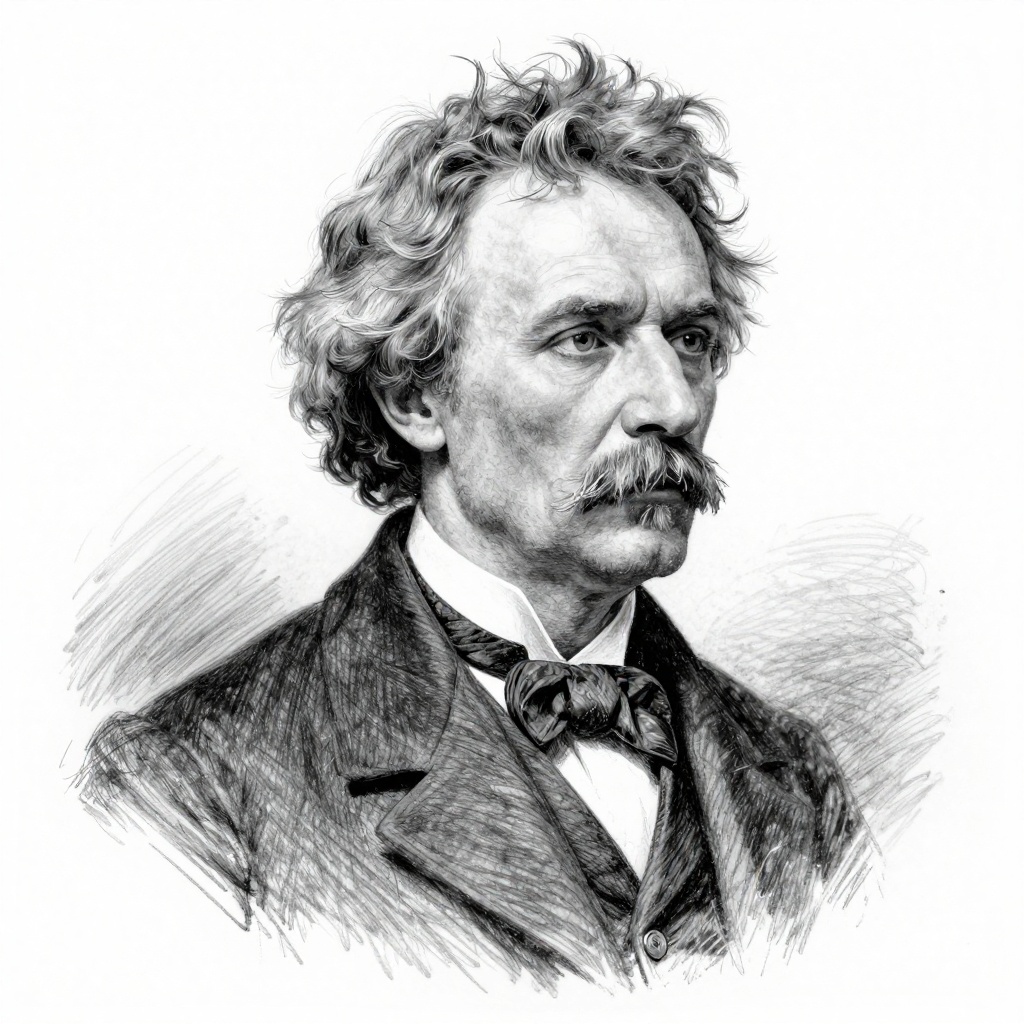
It is by the goodness of God that in our country we have those three unspeakably precious things: freedom of s... — Mark Twain

It is by the goodness of God that in our country we have those three unspeakably precious things: freedom of speech, freedom of conscience, and the prudence never to practice either of them.

Author: Mark Twain

Insight: Mark Twain isn't actually praising America here—he's skewering it. And what's darkly funny about this observation is how it captures something we still wrestle with: the gap between rights we theoretically have and the ones we actually exercise, or feel safe exercising. Think about how many times you've held back a genuine opinion at work, in a group chat, or at a family dinner. Not because you were legally forbidden, but because of social consequences—judgment, conflict, awkwardness, or just the exhausting weight of explaining yourself. Twain's point is that a society can grant you freedom on paper while the real culture makes you too cautious or afraid to use it. That's not quite tyranny, but it's not exactly freedom either. It's a softer kind of silencing, one we sometimes do to ourselves. The unsettling part is recognizing that prudence isn't always wisdom. Sometimes it's just self-protection. Twain is suggesting that a truly free society would need people willing to occasionally be unprudent—to speak up, to risk being wrong, to practice those freedoms even when it's uncomfortable. The question isn't whether we have the right; it's whether we're brave enough to actually use it.

Source: Mark Twain's Notebook, p. 375, 1935

The Freedom We Don't Use

It is by the goodness of God that in our country we have those three unspeakably precious things: freedom of speech, freedom of conscience, and the prudence never to practice either of them.

Mark TwainMark Twain's Notebook, p. 375, 1935

Mark Twain isn't actually praising America here—he's skewering it. And what's darkly funny about this observation is how it captures something we still wrestle with: the gap between rights we theoretically have and the ones we actually exercise, or feel safe exercising.

Think about how many times you've held back a genuine opinion at work, in a group chat, or at a family dinner. Not because you were legally forbidden, but because of social consequences—judgment, conflict, awkwardness, or just the exhausting weight of explaining yourself. Twain's point is that a society can grant you freedom on paper while the real culture makes you too cautious or afraid to use it. That's not quite tyranny, but it's not exactly freedom either. It's a softer kind of silencing, one we sometimes do to ourselves.

The unsettling part is recognizing that prudence isn't always wisdom. Sometimes it's just self-protection. Twain is suggesting that a truly free society would need people willing to occasionally be unprudent—to speak up, to risk being wrong, to practice those freedoms even when it's uncomfortable. The question isn't whether we have the right; it's whether we're brave enough to actually use it.

AI generated

Comments

Sign in to leave a comment or reply to one.

Sign in

Mark Twain

Mark Twain was an American writer and humorist known for his classic novels "Adventures of Huckleberry Finn" and "The Adventures of Tom Sawyer." His works often reflected his wit, satire, and keen observations on American society, solidifying his place as one of the greatest American authors of all time.

Graph

Related