Quote · Added 14 February 2026
Strength does not come from physical capacity. It comes from an indomitable will.
No ratings yet
Filed understrength·will·resilience
Quote · Added 14 February 2026
Filed understrength·will·resilience
We often picture strength as something visible—muscles, volume, the ability to overpower. But watch what actually happens when someone faces real difficulty: a parent working three jobs to keep a family housed, someone learning to read at sixty, a person showing up to therapy week after week to untangle old wounds. None of that requires physical dominance. What it requires is a stubborn refusal to give up, even when giving up looks reasonable.
The tricky part is that willpower isn't some rare quality only heroes possess. It's built the same way a habit is built—through small decisions made over and over. The real strength is in choosing to try again after failing, in staying curious about problems instead of accepting them as permanent. It's why someone who's physically fragile can still change the course of history, and why someone with every advantage can crumble under pressure.
What makes this worth remembering today is how easily we mistake temporary setbacks for permanent limitations. Your circumstances might be genuinely hard right now. But the part of you that decides what comes next—that's not determined by what happened to you yesterday. That's still completely yours.
1869–1948·lived 78 years
Mahatma Gandhi (1869–1948) was an Indian lawyer, anti-colonial nationalist, and political ethicist who employed nonviolent resistance to lead the successful campaign for India's independence from British rule. Known for his principle of nonviolent protest, he inspired movements for civil rights and freedom across the world.
Also by Mahatma Gandhi
Be the change you want to see in the world.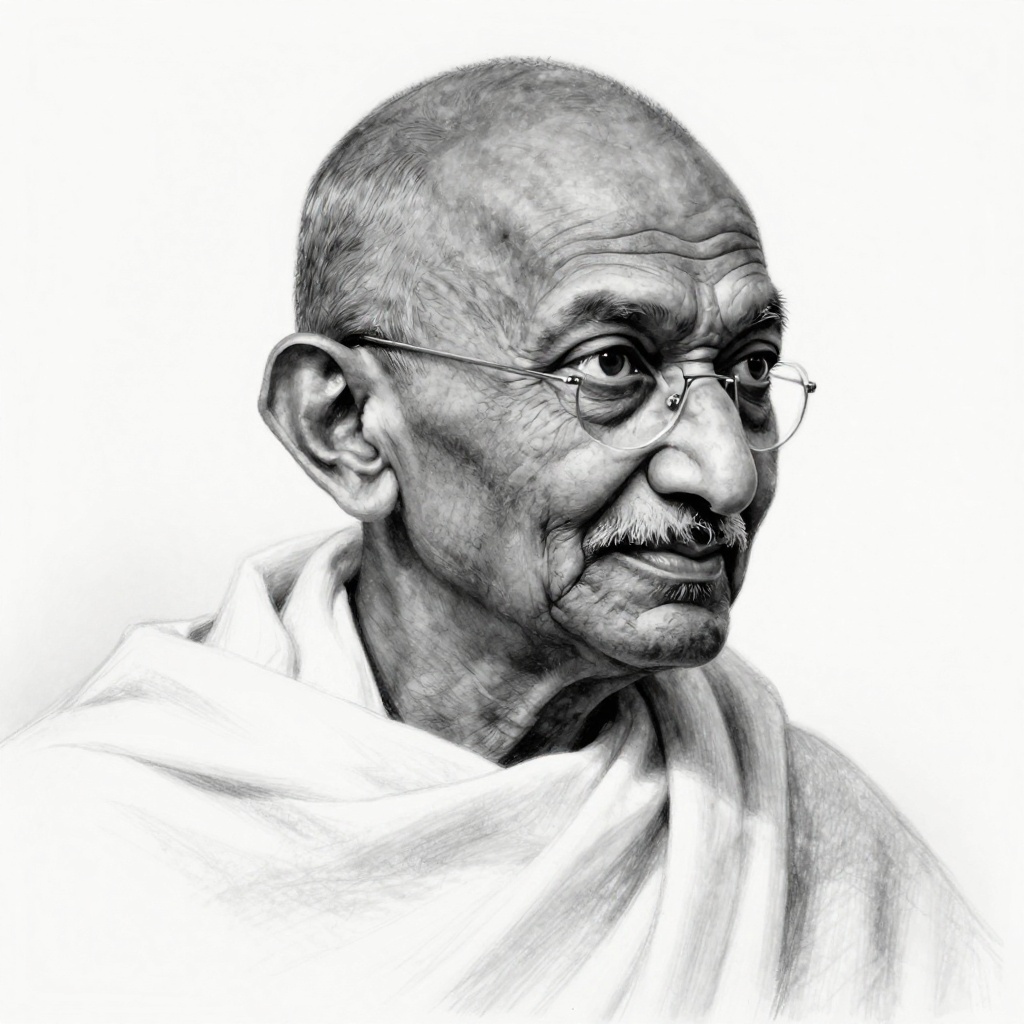
Comments