Quote · Added 17 February 2026
Nonviolence is a weapon of the strong
No ratings yet
Filed undernonviolence·strength·resilience
Quote · Added 17 February 2026
Filed undernonviolence·strength·resilience
We often think of nonviolence as passive—something you do when you lack power. But Gandhi's insight flips that entirely. He's saying it takes more strength, not less, to refuse violence when you have the capacity for it. A person who punches back when hit is following instinct. A person who absorbs the blow without retaliation? That requires actual steel inside.
This shows up everywhere, even in small ways. It's harder to stay calm with someone who's infuriating you than to snap back. It takes more backbone to walk away from a fight than to throw a punch. Parents know this: the hardest conversations happen when you're furious but choose to stay measured. Nonviolence isn't about weakness or moral superiority—it's about having enough power that you can afford to be deliberate instead of reactive.
The real twist is that this approach often wins in ways violence can't. When you respond to aggression with composure, you expose the aggressor's unreasonableness rather than matching it. You keep the moral clarity. You're not trying to overpower someone; you're making it impossible for them to justify their actions, even to themselves. That's the weapon part. It's not about being nice—it's about being strategically, unflinchingly strong.
1869–1948·lived 78 years
Mahatma Gandhi (1869–1948) was an Indian lawyer, anti-colonial nationalist, and political ethicist who employed nonviolent resistance to lead the successful campaign for India's independence from British rule. Known for his principle of nonviolent protest, he inspired movements for civil rights and freedom across the world.
Also by Mahatma Gandhi
Be the change you want to see in the world.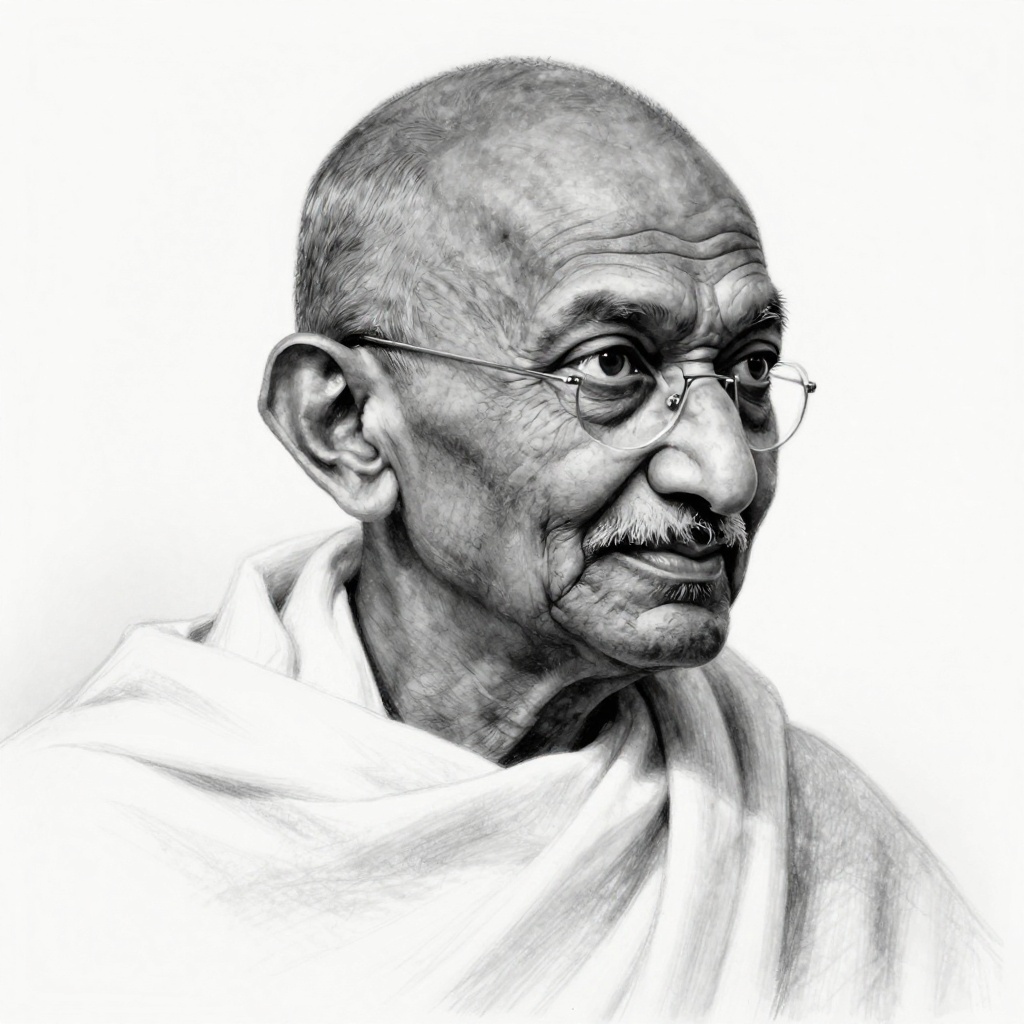
Comments