Quote · Added 14 February 2026
An eye for an eye only ends up making the whole world blind.
Mahatma GandhiThe Essential Gandhi, p. 90, 2002
No ratings yet
Filed undereye·justice·consequence
Quote · Added 14 February 2026
Filed undereye·justice·consequence
We live in a culture obsessed with proportional payback. Someone wrongs you, so you wrong them back—equally, fairly, justly. It feels right in the moment, like balance. But Gandhi's point cuts deeper: revenge doesn't actually restore anything. It just creates a chain reaction where each person believes they're the wronged party entitled to retaliation. The hurt compounds while everyone insists they're merely evening the score.
Watch this play out in real relationships. A partner says something cutting, so you say something cutting back. Now you're both nursing wounds and keeping score. The workplace gossip spreads about you, so you spread something about them. Each escalation feels deserved, but you've both just lost something—trust, respect, the possibility of moving forward. The metaphor works because blindness here isn't just about anger; it's about losing perspective. When you're locked in tit-for-tat, you can't see the actual human in front of you anymore.
The harder truth is that breaking the cycle requires someone to absorb a loss without passing it along. That's not weakness or surrender—it's the only move that actually stops the bleeding. It's also the rarest one, which is probably why this quote still matters.
1869–1948·lived 78 years
Mahatma Gandhi (1869–1948) was an Indian lawyer, anti-colonial nationalist, and political ethicist who employed nonviolent resistance to lead the successful campaign for India's independence from British rule. Known for his principle of nonviolent protest, he inspired movements for civil rights and freedom across the world.
Also by Mahatma Gandhi
Be the change you want to see in the world.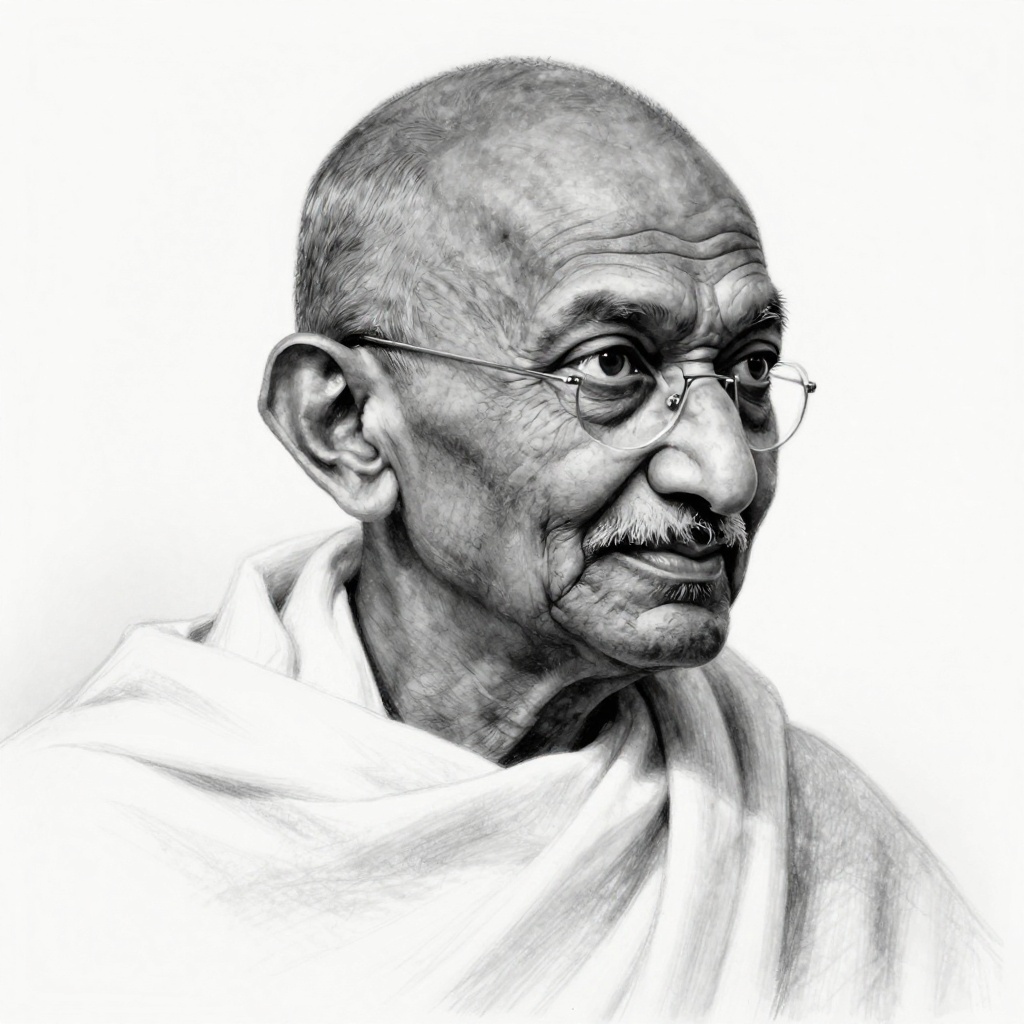
Comments