Quote · Added 15 February 2026
Childhood itself is scarcely more lovely than a cheerful, kindly, sunshiny old age.
No ratings yet
Quote · Added 15 February 2026
There's something we've absorbed from culture that makes us treat old age as a kind of failure—the consolation prize after the main event of youth. But anyone who's spent time around genuinely happy older people knows this is backwards. A peaceful, generous 80-year-old can have something childhood has: freedom from pretense, a lightness about what actually matters, permission to be a little silly or wonderfully direct.
The catching part of this observation is that it's not about being young at heart, that tired phrase. It's about a similar quality of presence. Children find joy in small things because everything is still novel. The best old people find the same joy because they've finally stopped needing things to be impressive. A shared meal, a good conversation, someone's company—these become enough, the way they were enough when you were seven.
This matters now because we're anxious about aging in ways previous generations weren't, constantly measuring ourselves against some ideal of staying young forever. But the comparison here suggests a different goal entirely: not to stay young, but to recover the actual texture of childhood that made it lovely—the attention, the warmth, the absence of grinding ambition. That's something you can actually build toward.
1802–1880·lived 78 years
Lydia M. Child (1802-1880) was an American author, abolitionist, and women's rights activist, best known for her influential works advocating for social reform. She rose to prominence in the 19th century with her writings, including the widely read "Hobomok" and her contributions to the antislavery movement. Child was also a champion of Native American rights and played a crucial role in promoting the early feminist movement in the United States.
Also by Lydia M. Child
An effort made for the happiness of others lifts above ourselves.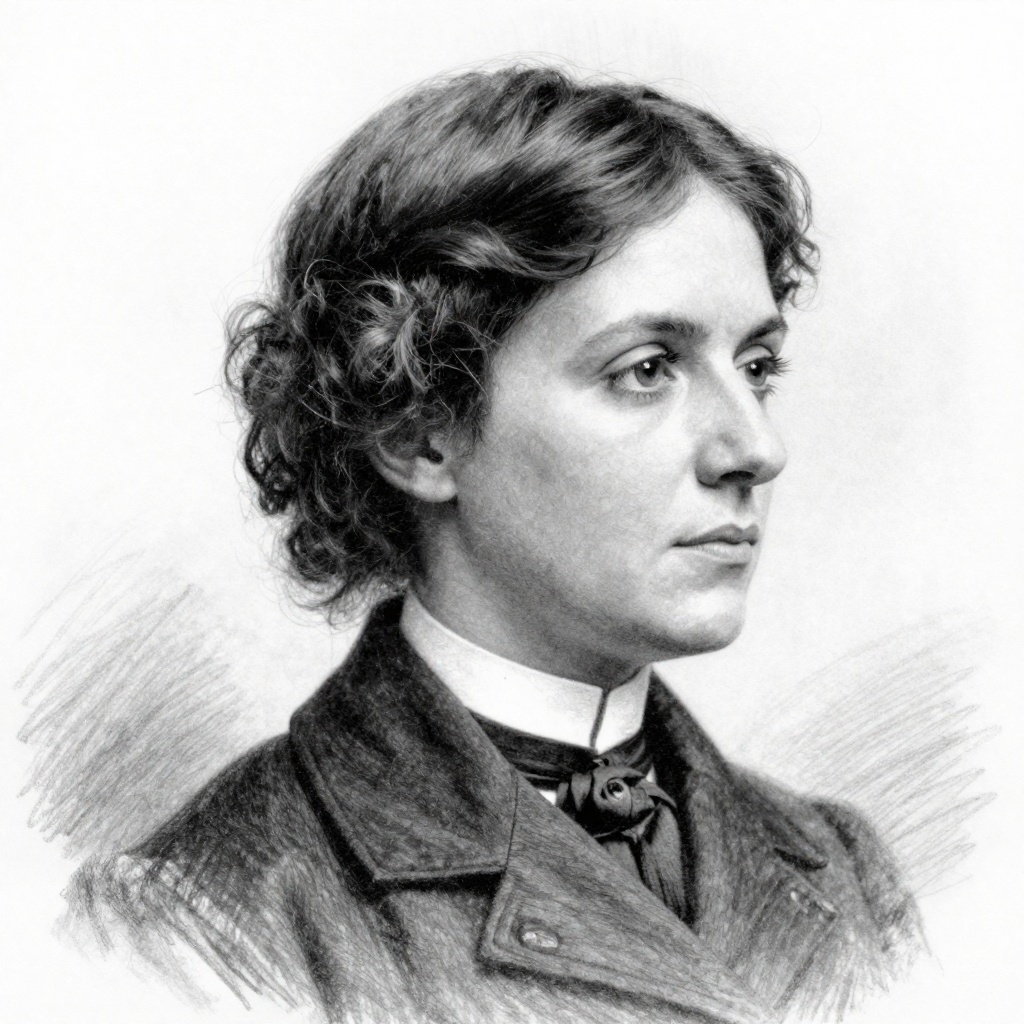
Comments