Quote · Added 15 February 2026
An effort made for the happiness of others lifts above ourselves.
No ratings yet
Filed underhappiness·selflessness·effort
Quote · Added 15 February 2026
Filed underhappiness·selflessness·effort
There's something almost physical about what happens when you stop keeping score in your own life and start thinking about someone else's day. That shift—from "what do I need?" to "what would help them?"—actually does something to your mood that's hard to explain until you feel it. It's not about becoming a martyr or ignoring your own struggles. It's that when you're focused on easing someone else's burden, your own worries seem to shrink a little, or at least become less suffocating.
The sneaky part is that this works even in small ways. Making coffee for a tired colleague, picking up something your friend mentioned needing, listening without trying to fix someone's problem—these tiny efforts somehow expand how you feel about your own life. You stop being trapped in your own head, your own frustrations, your own sense of being stuck. There's almost a lightness that comes from realizing you're not the center of everything, and that you can actually matter to someone else's day.
What's worth noticing is that this isn't about being selfless in some virtuous way. It's recognizing that genuine connection—doing something that genuinely helps—is one of the few things that actually lifts us out of ourselves. It's less about sacrifice and more about discovering a different way to feel alive.
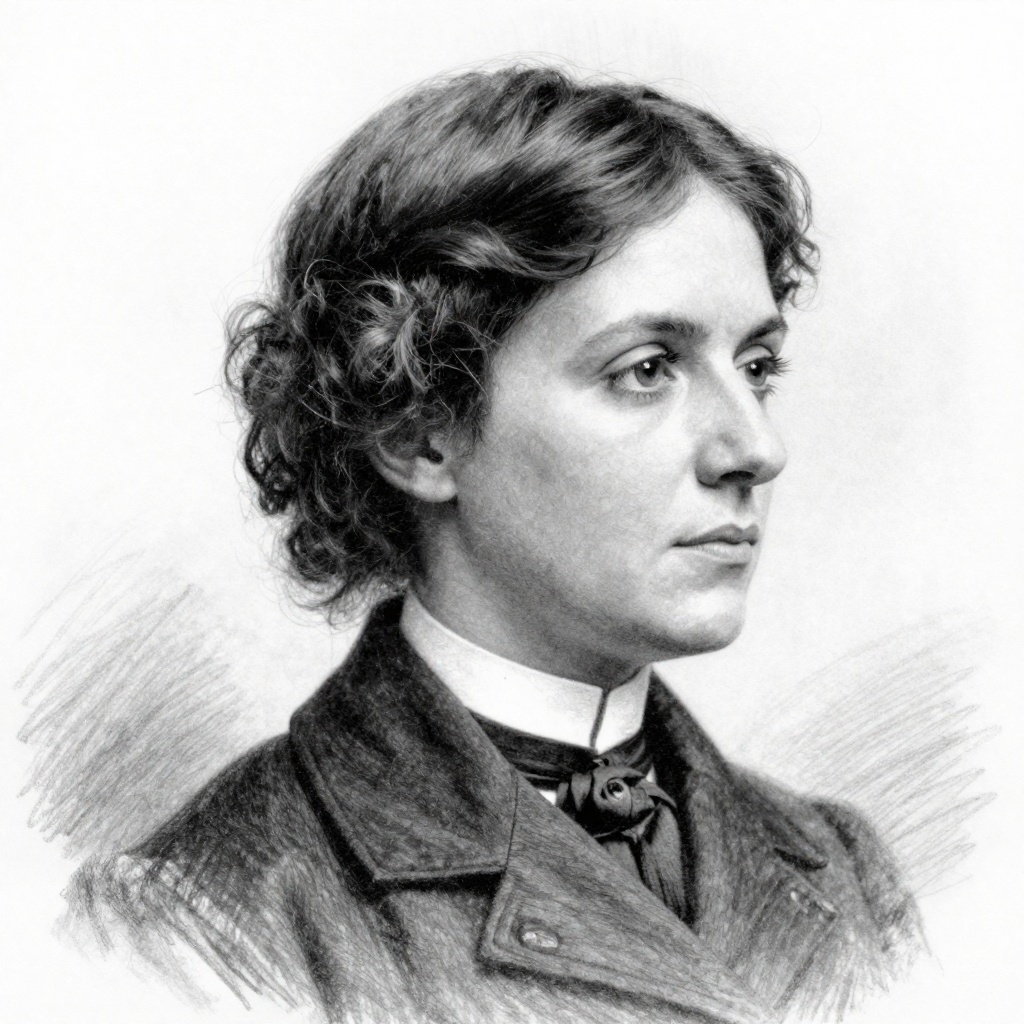
1802–1880·lived 78 years
Lydia M. Child (1802-1880) was an American author, abolitionist, and women's rights activist, best known for her influential works advocating for social reform. She rose to prominence in the 19th century with her writings, including the widely read "Hobomok" and her contributions to the antislavery movement. Child was also a champion of Native American rights and played a crucial role in promoting the early feminist movement in the United States.
Comments