Quote · Added 15 February 2026
Belief in oneself is one of the most important bricks in building any successful venture.
No ratings yet
Filed underbelief·success·confidence
Quote · Added 15 February 2026
Filed underbelief·success·confidence
We live in a culture obsessed with the external markers of success—the right credentials, connections, and timing. But there's something almost quietly radical about the idea that belief in yourself is foundational. Not confidence in some arrogant sense, but a basic trust that you can learn, adapt, and figure things out. Without that, you'll sabotage yourself before anyone else gets the chance.
The tricky part is that self-belief isn't something you either have or don't. It's more like a muscle that atrophies without use. You build it by doing small things despite doubt, by noticing when you've handled hard situations before, by not dismissing your own instincts entirely. Most people who accomplish anything difficult aren't the ones with unwavering certainty—they're the ones who believed just enough to keep going when doubt showed up anyway.
What makes this especially relevant now is how easy it is to let constant comparison erode that foundational brick. You scroll and see others who seem more assured, more deserving, already further along. But their success likely also rested on a willingness to proceed despite not feeling fully ready. The belief you need isn't about being the best—it's about being willing to try.
1802–1880·lived 78 years
Lydia M. Child (1802-1880) was an American author, abolitionist, and women's rights activist, best known for her influential works advocating for social reform. She rose to prominence in the 19th century with her writings, including the widely read "Hobomok" and her contributions to the antislavery movement. Child was also a champion of Native American rights and played a crucial role in promoting the early feminist movement in the United States.
Also by Lydia M. Child
An effort made for the happiness of others lifts above ourselves.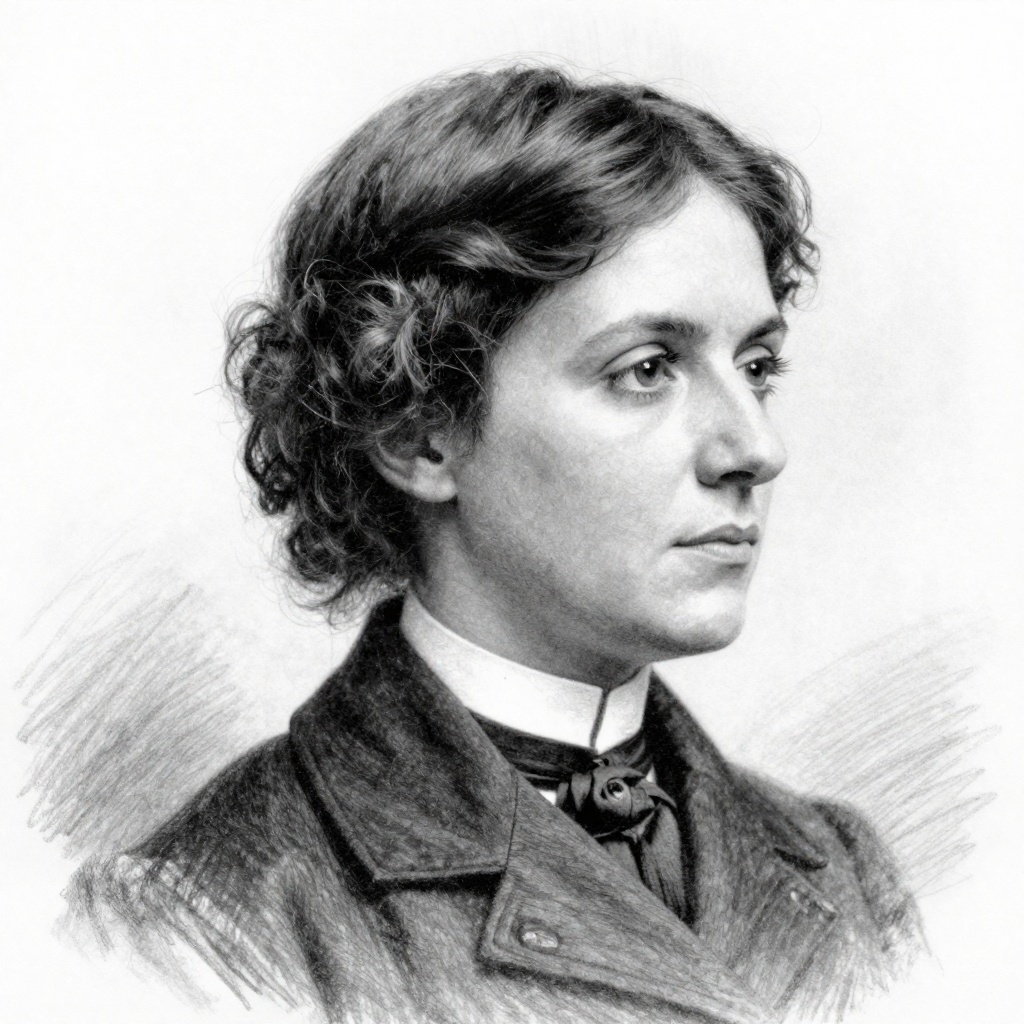
Comments