Quote · Added 20 February 2026
I know no other sign of superiority than goodness.
No ratings yet
Filed undergoodness·superiority·morality
Quote · Added 20 February 2026
Filed undergoodness·superiority·morality
We live in a world that's obsessed with measuring superiority through credentials, money, and status. So Beethoven's blunt statement hits differently: the only thing that actually marks someone as superior is goodness. Not genius, not achievement, not how impressive your life looks from the outside.
The counterintuitive part is how much this reverses our daily instincts. We see someone talented or successful and automatically grant them authority over our own judgment. We defer to the impressive resume, the confident voice in the room. But Beethoven—himself a genius, someone who had every right to rest on that—refused to accept that brilliance alone means anything. He's saying the person who's actually better than you is the one who treats people well, acts with integrity, and considers others. That's the only scorecard that matters.
What makes this radical is that goodness is harder to fake than competence, and it's available to everyone. You can't claim superiority through goodness if you're cutting corners or treating people as means to your end. It demands actual character work, day after day, in moments nobody's watching. Which is precisely why Beethoven saw it as the real marker of who rises above.
1770–1827·lived 56 years
Ludwig van Beethoven was a renowned German composer and pianist of the Classical and Romantic eras. He is widely regarded as one of the greatest composers in the history of Western music and is known for his innovative compositions like the Moonlight Sonata, Symphony No. 9 (Choral), and Für Elise. Beethoven's work bridged the Classical and Romantic periods, leaving an enduring legacy that continues to inspire musicians and audiences around the world.
Also by Ludwig van Beethoven
Recommend virtue to your children; it alone, not money, can make them happy. I speak from...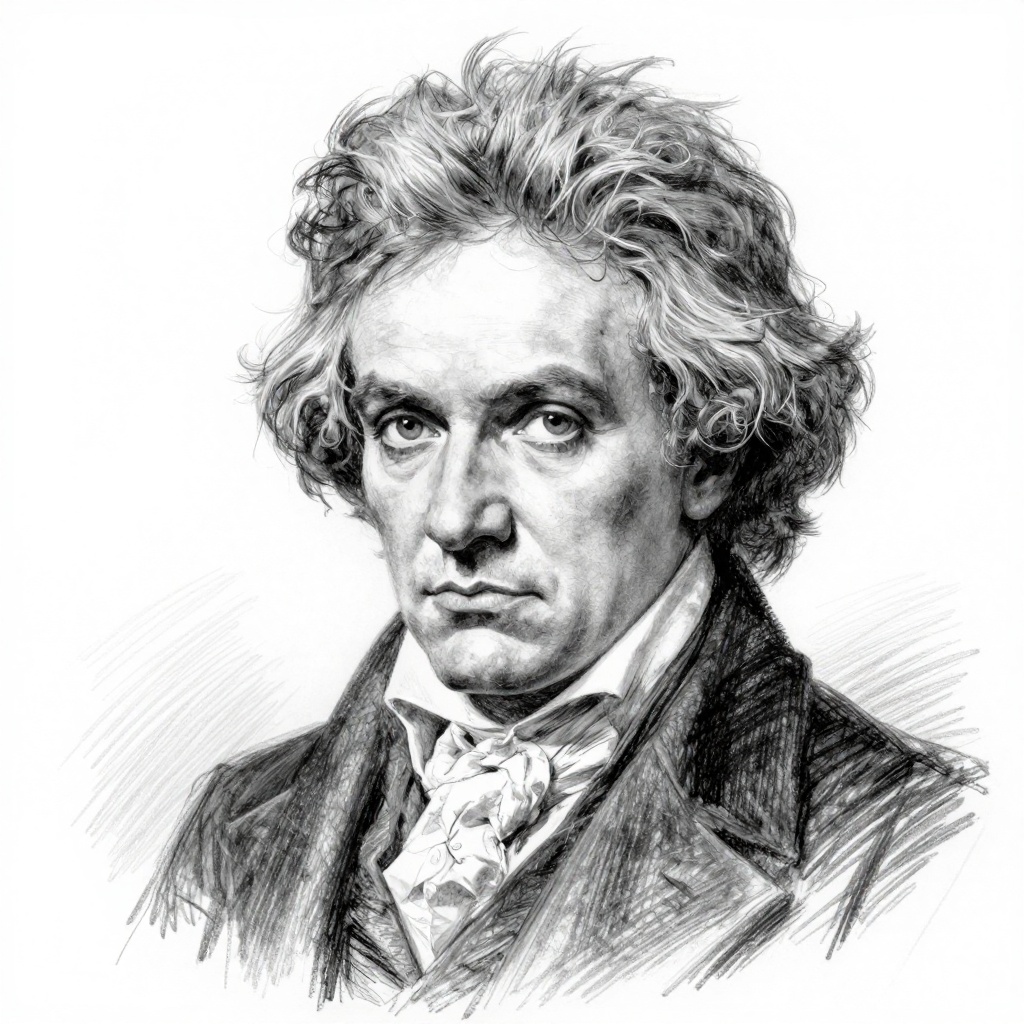
Comments