Quote · Added 4 February 2024
To play a wrong note is insignificant. To play without passion is inexcusable.
No ratings yet
Filed undermusic·passion·significance
Quote · Added 4 February 2024
Filed undermusic·passion·significance
We live in an era obsessed with perfection—the flawless presentation, the mistake-free performance, the polished final product. But Beethoven's hierarchy flips this upside down. A wrong note is forgivable; it happens to professionals and amateurs alike. What's unforgivable is showing up without energy or intention. You can hear the difference immediately. A musician playing technically perfect but detached creates something technically correct but emotionally dead. Someone playing with genuine investment who hits a clunker? That lands differently. We actually forgive it.
This applies far beyond music. Think about conversations where someone's technically saying the right things but you sense they don't really care. Or work that's competent but phoned in. We'd rather see someone genuinely trying and occasionally stumbling than someone sleepwalking through flawless execution. The mistakes become almost endearing—proof of actual effort. Passion makes the imperfect forgivable. It transforms a botched attempt into something honest that people actually connect with, while perfection without heart just sits there, untouched. The real failure isn't in the execution. It's in the absence of genuine engagement.
1770–1827·lived 56 years
Ludwig van Beethoven was a renowned German composer and pianist of the Classical and Romantic eras. He is widely regarded as one of the greatest composers in the history of Western music and is known for his innovative compositions like the Moonlight Sonata, Symphony No. 9 (Choral), and Für Elise. Beethoven's work bridged the Classical and Romantic periods, leaving an enduring legacy that continues to inspire musicians and audiences around the world.
Also by Ludwig van Beethoven
I know no other sign of superiority than goodness.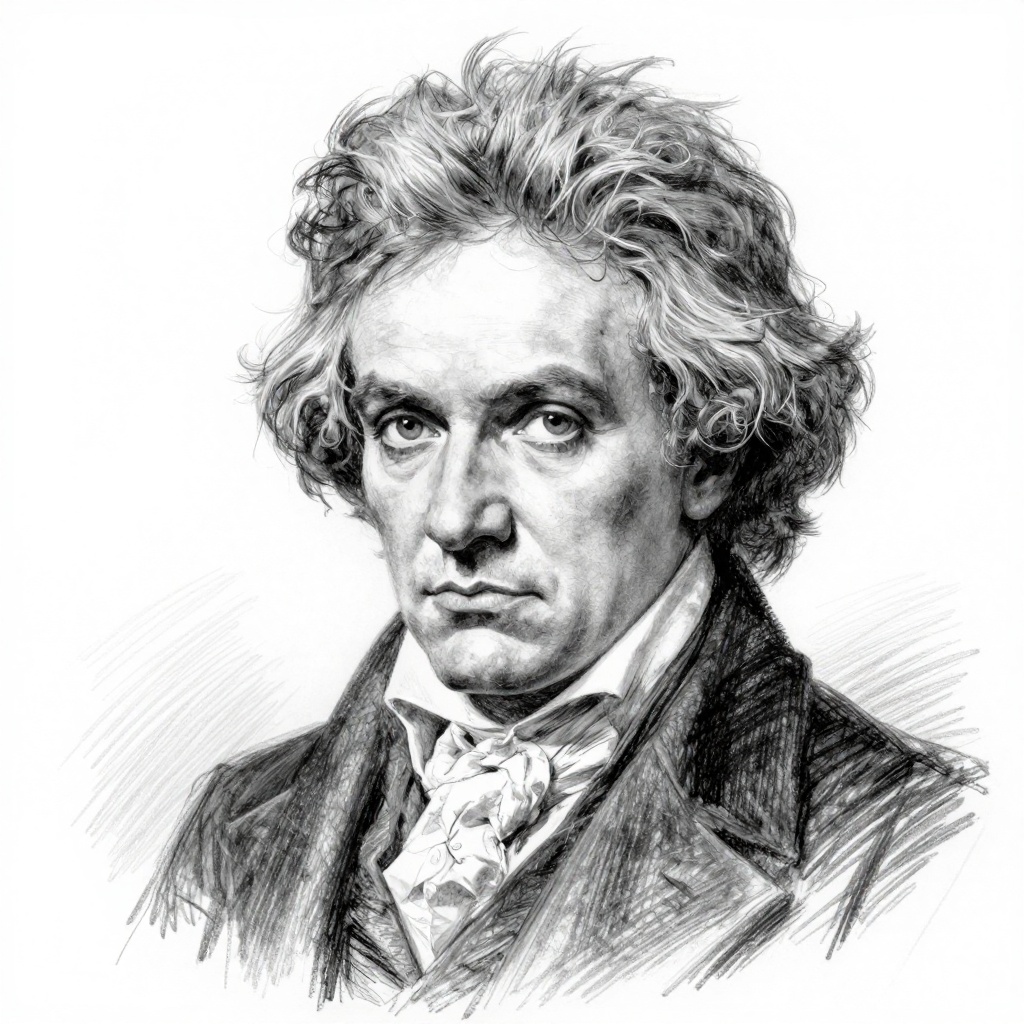
Comments