Quote · Added 14 February 2026
People don't have fortunes left them in that style nowadays; men have to work and women to marry for money. It's a dreadfully unjust world.
Louisa May AlcottLittle Women, 1868
No ratings yet
Quote · Added 14 February 2026
This line cuts deeper than it first appears. Alcott isn't just complaining about economics—she's naming something we still feel today, even if the specifics have shifted. The real frustration isn't about wealth itself, but about the way opportunity gets handed out unevenly based on circumstances you didn't choose. Some people genuinely do inherit their way to comfort. Others have to trade their time, their labor, or their personal choices just to survive. That gap, that unfairness, doesn't disappear just because we have more women in the workforce now.
What makes this observation stick is that it's not romantic. Alcott isn't calling for noble suffering or finding the silver lining. She's simply stating the exhausting reality: if you're not born into money, you don't get to just exist comfortably. You have to leverage something—your skills, your relationships, your willingness to work. That tension between what should be possible and what actually is—between fair and what you're stuck with—that's still very much our world. We've opened more doors, but the basic unfairness she named remains.
1832–1888·lived 55 years
Louisa May Alcott was an American novelist and poet, best known for her classic novel "Little Women," which is a semi-autobiographical account of her own family. Alcott was a prolific writer and advocate for women's rights, her works often portraying strong female characters and challenging societal norms of the time.
Also by Louisa May Alcott
Have regular hours for work and play; make each day both useful and pleasant, and prove th...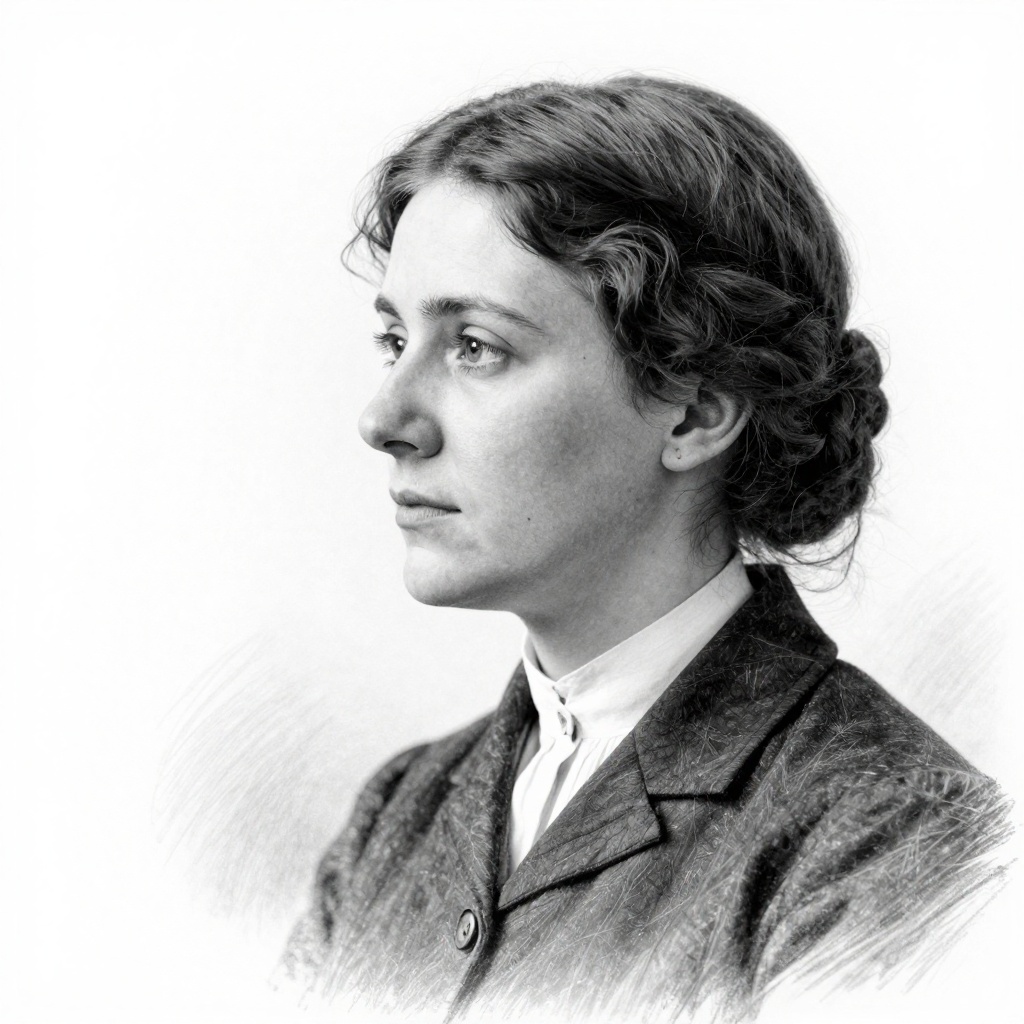
Comments