Quote · Added 15 February 2024
Of all things, I like books best.
Louisa May AlcottWork: A Story of Experience, 1873
No ratings yet
Quote · Added 15 February 2024
There's something almost defiant about this simple declaration from Alcott. In a world that asks us constantly what we should want—success, money, status, the right experiences—she's saying the thing she loves most costs almost nothing and fits in your pocket. Books don't demand your productivity. They don't need you to be impressive or connected. They just ask you to show up and pay attention.
What makes this resonate now is how countercultural it's become. We're drowning in content that's designed to be consumed quickly, rated, and forgotten. Social media trains us to want things that are flashy and immediate. A book, by contrast, asks something radical: that you sit still, that you let someone else's thoughts live in your head for hours, that you resist the urge to skip ahead. In that resistance, something real happens. You're not just passing time—you're becoming someone different.
The quiet steadiness of "of all things" matters too. Not "books are important." Not "everyone should read." Just this: when given everything, this is what I choose. That kind of honest preference, stated without apology, is its own kind of freedom—the freedom to know yourself well enough to say what actually matters to you.
1832–1888·lived 55 years
Louisa May Alcott was an American novelist and poet, best known for her classic novel "Little Women," which is a semi-autobiographical account of her own family. Alcott was a prolific writer and advocate for women's rights, her works often portraying strong female characters and challenging societal norms of the time.
Also by Louisa May Alcott
Have regular hours for work and play; make each day both useful and pleasant, and prove th...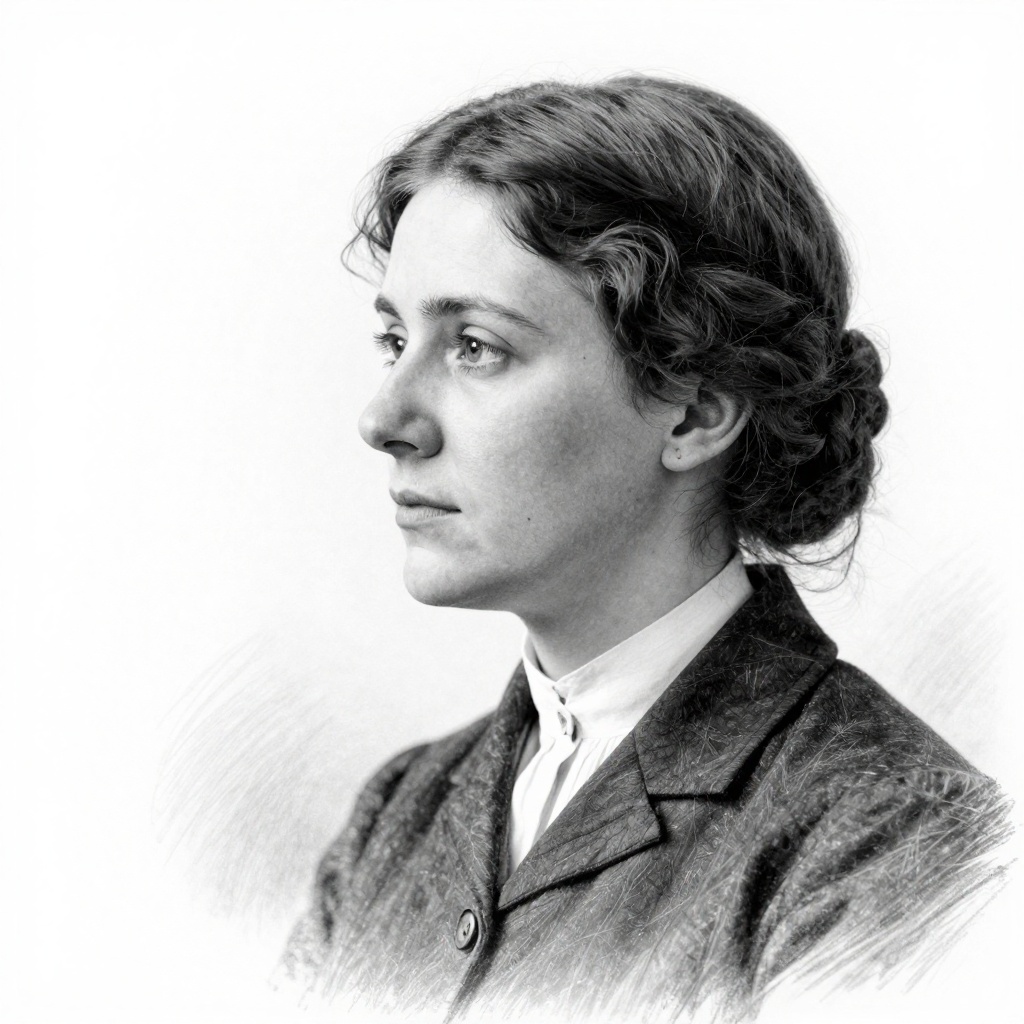
Comments