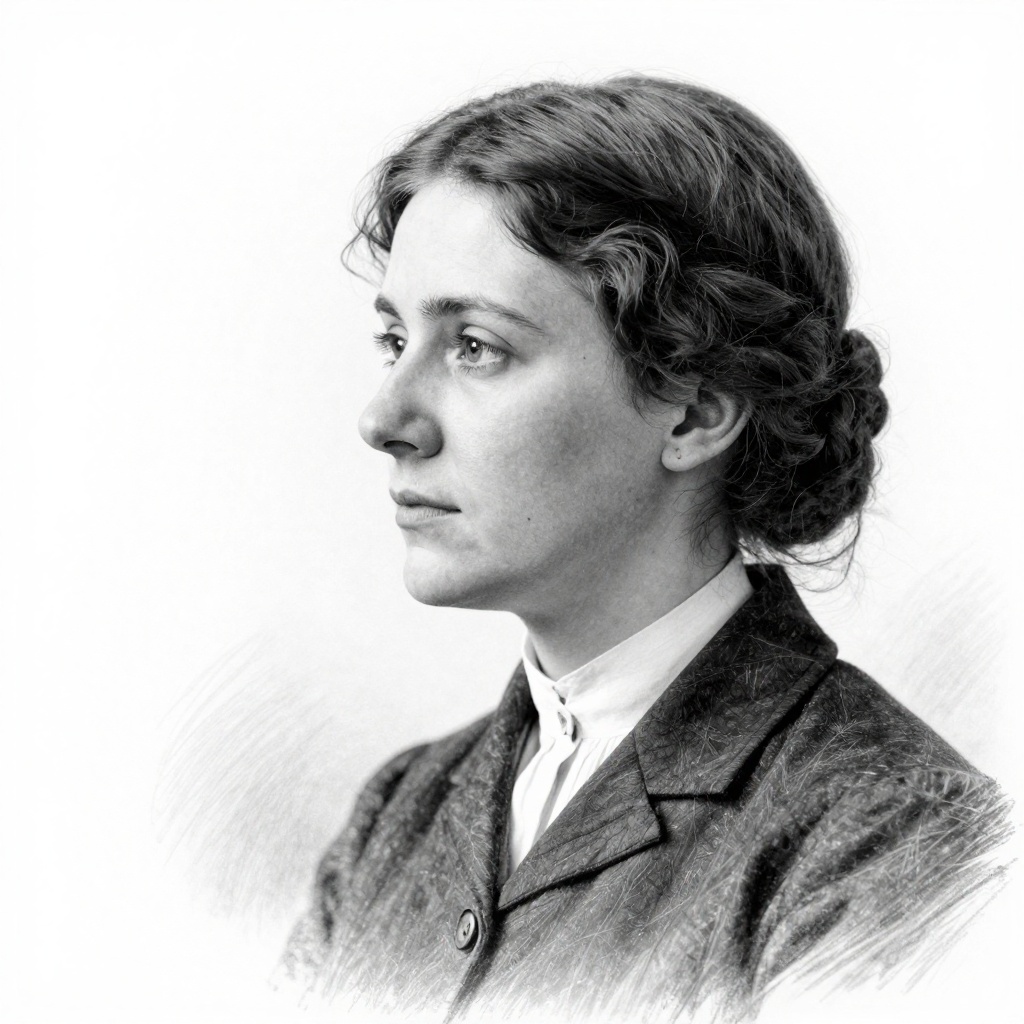
Have regular hours for work and play; make each day both useful and pleasant, and prove that you understand th... — Louisa May Alcott

Have regular hours for work and play; make each day both useful and pleasant, and prove that you understand the worth of time by employing it well. Then youth will be delightful, old age will bring few regrets, and life will become a beautiful success.

Author: Louisa May Alcott

Insight: There's something almost radical about Alcott's insistence that a good life requires both structure and pleasure—not one or the other. We tend to think of meaningful time as either productive grind or guilty-pleasure escape, but she's pointing to something simpler: that respecting time means actually enjoying parts of it. When you build in real play alongside real work, you're not being frivolous. You're acknowledging that a day without rest isn't noble—it's just depleting. What catches most people off guard is the backwards logic here. We often assume that packing every hour with achievement will make us proud looking back. But Alcott suggests the opposite: intentional leisure is what prevents regret. Those old-age regrets rarely come from insufficient hustle. They come from never slowing down enough to notice that life was actually happening. The person who carved out time for actual friendships, curiosity, or just sitting still ends up with a different kind of success—one that feels earned rather than exhausting. The practical part is deceptively hard, though. "Regular hours" sounds quaint in a world of infinite notifications, but that's almost the point. Boundaries aren't restrictions on living well—they're the only way most of us actually get to.

Work and play, equally serious

Have regular hours for work and play; make each day both useful and pleasant, and prove that you understand the worth of time by employing it well. Then youth will be delightful, old age will bring few regrets, and life will become a beautiful success.

There's something almost radical about Alcott's insistence that a good life requires both structure and pleasure—not one or the other. We tend to think of meaningful time as either productive grind or guilty-pleasure escape, but she's pointing to something simpler: that respecting time means actually enjoying parts of it. When you build in real play alongside real work, you're not being frivolous. You're acknowledging that a day without rest isn't noble—it's just depleting.

What catches most people off guard is the backwards logic here. We often assume that packing every hour with achievement will make us proud looking back. But Alcott suggests the opposite: intentional leisure is what prevents regret. Those old-age regrets rarely come from insufficient hustle. They come from never slowing down enough to notice that life was actually happening. The person who carved out time for actual friendships, curiosity, or just sitting still ends up with a different kind of success—one that feels earned rather than exhausting.

The practical part is deceptively hard, though. "Regular hours" sounds quaint in a world of infinite notifications, but that's almost the point. Boundaries aren't restrictions on living well—they're the only way most of us actually get to.

AI generated

Comments

Sign in to leave a comment or reply to one.

Sign in

Louisa May Alcott

Louisa May Alcott was an American novelist and poet, best known for her classic novel "Little Women," which is a semi-autobiographical account of her own family. Alcott was a prolific writer and advocate for women's rights, her works often portraying strong female characters and challenging societal norms of the time.

Graph

Related