Quote · Added 19 December 2023
I am not afraid of storms, for I am learning how to sail my ship.
Louisa May AlcottLittle Women, Project Gutenberg
No ratings yet
Quote · Added 19 December 2023
There's something quietly radical about treating difficulty as a skill you're developing rather than a problem that shouldn't exist. Most of us approach hard times like unwelcome interruptions—we want them gone, solved, behind us. Alcott's insight flips that: the storm isn't the real obstacle. Not knowing what to do in it is.
This matters now because we live in a culture that promises us calm seas. We're sold products and programs designed to eliminate stress, remove friction, optimize our way to smooth sailing. But real competence—the kind that actually makes you resilient—comes from practice in rough conditions. The person who's learned to navigate setbacks, disappointment, or uncertainty isn't just lucky when things go wrong; they're actually equipped. They've built something.
The non-obvious part: this doesn't require you to be naturally brave or naturally good at problem-solving. You just need to shift from "this shouldn't be happening" to "what can I learn here." That small reframe transforms anxiety into apprenticeship. The storm is still real and still difficult. But you're no longer waiting for conditions to improve—you're using them to become someone who can handle harder things.
1832–1888·lived 55 years
Louisa May Alcott was an American novelist and poet, best known for her classic novel "Little Women," which is a semi-autobiographical account of her own family. Alcott was a prolific writer and advocate for women's rights, her works often portraying strong female characters and challenging societal norms of the time.
Also by Louisa May Alcott
Have regular hours for work and play; make each day both useful and pleasant, and prove th...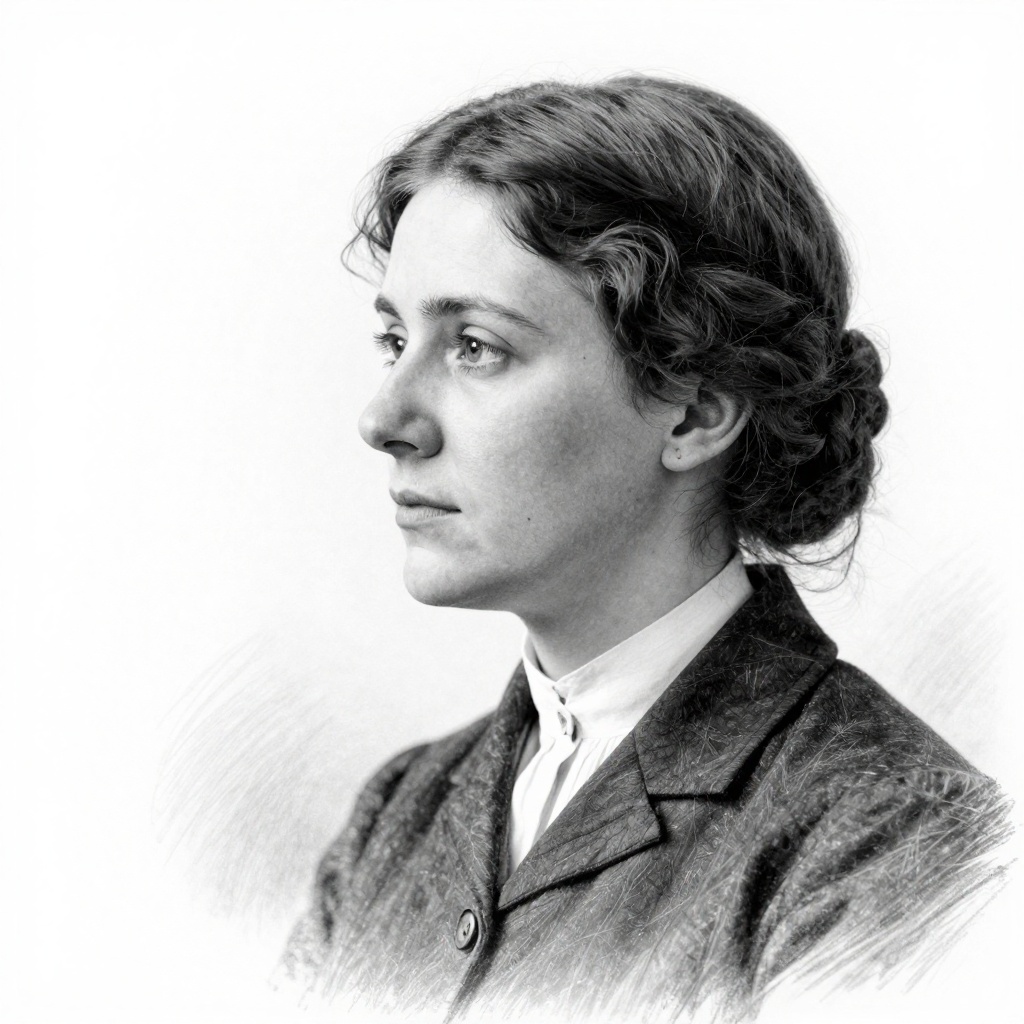
Comments