Quote · Added 15 February 2026
Sometimes I've believed as many as six impossible things before breakfast.
No ratings yet
Filed underimpossibility·imagination·optimism
Quote · Added 15 February 2026
Filed underimpossibility·imagination·optimism
There's something oddly liberating about this line that has nothing to do with being whimsical or childish. Carroll understood something real: the human mind doesn't work in a straight line from doubt to certainty. We're actually built to hold contradictions, at least temporarily. Before we've had our coffee and fallen into the day's practical demands, something shifts in how we think. We're more willing to entertain ideas that might seem ridiculous once we're running through our to-do lists.
This matters because some of our best insights come from that space before we've locked down what's "possible." When you let yourself consider unlikely scenarios—that you could change careers, that a relationship might transform, that you're capable of something you've never tried—you're not being naive. You're exercising the same mental flexibility that lets you dream or create or solve problems in unexpected ways. The impossible things aren't lies; they're possibilities you're testing out.
The trick isn't staying in that dreamy state all day. It's knowing when to visit it. The people who make real change often spent time believing six impossible things first. They let the impossible exist in their minds long enough for it to become possible.
1832–1898·lived 65 years
Lewis Carroll, whose real name was Charles Lutwidge Dodgson, was an English writer, mathematician, and photographer. He is best known for his iconic works "Alice's Adventures in Wonderland" and its sequel "Through the Looking-Glass," which are beloved children's classics noted for their whimsical wordplay and imaginative storytelling.
Also by Lewis Carroll
It’s no use going back to yesterday, because I was a different person then.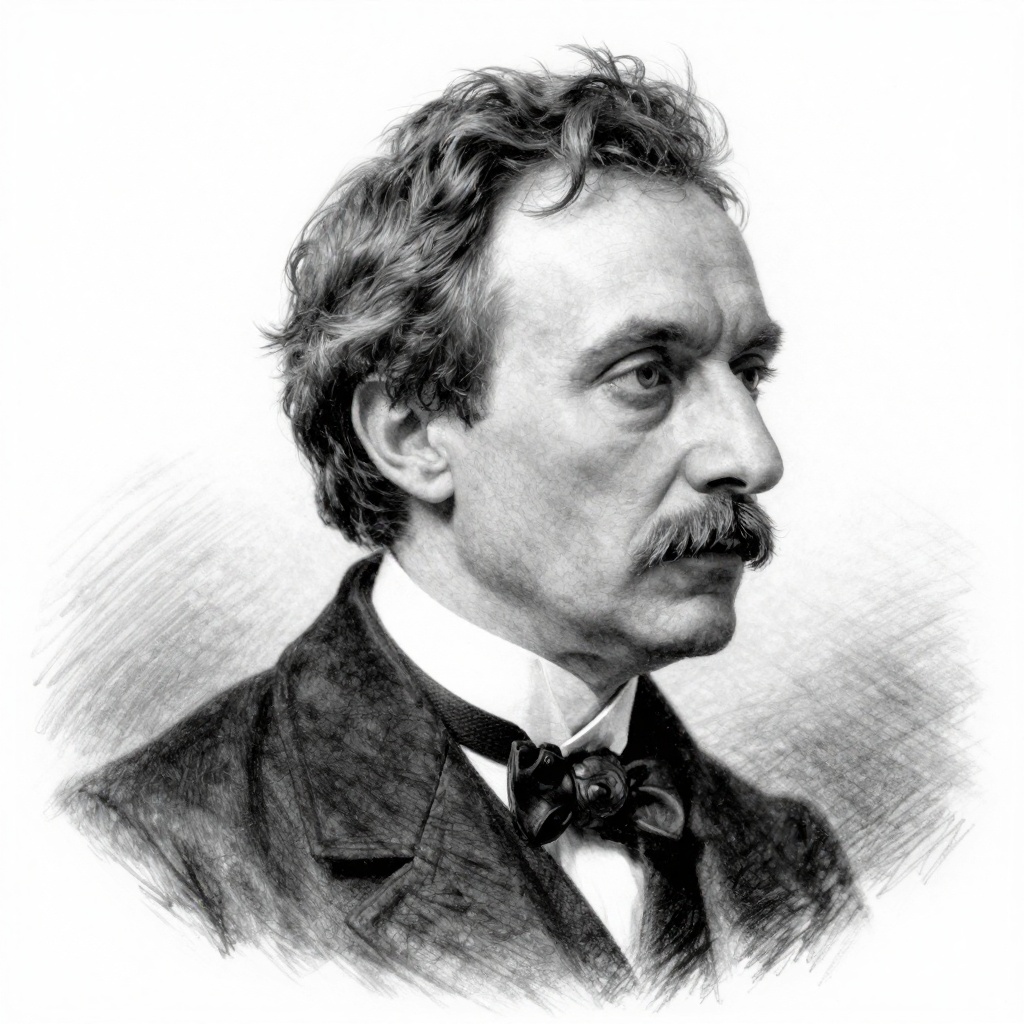
Comments