Quote · Added 10 February 2026
If you don't know where you are going, any road will get you there.
Lewis CarrollAlice's Adventures in Wonderland, 1865
No ratings yet
Filed underdestination·uncertainty·choices
Quote · Added 10 February 2026
Filed underdestination·uncertainty·choices
We all know the feeling of being busy without knowing why. You're making progress on something—checking tasks, staying productive, moving forward—but there's a nagging sense that you're not actually heading anywhere that matters. That's what this quote cuts to. Without a real destination in mind, motion becomes meaningless. You end up wherever the day takes you, which usually means you end up exactly where everyone else's priorities decided you should be.
The tricky part is that having a direction requires actually deciding what you want, and that's harder than just reacting to what's immediately in front of you. It's easier to say yes to the next meeting, the next project, the next person's request than to sit with the uncomfortable question of what you're genuinely trying to build or become. But the quote suggests something worth noticing: if you do know where you're going, suddenly a lot of roads become wrong, which is actually freeing. You can say no. You can cut through.
The non-obvious angle here is that clarity isn't something you find once and then follow forever. Life shifts. The direction that made sense last year might not anymore. The real skill isn't having one fixed destination—it's regularly asking yourself whether you actually know what your next chapter is supposed to be about, rather than just drifting down the easiest available road.
1832–1898·lived 65 years
Lewis Carroll, whose real name was Charles Lutwidge Dodgson, was an English writer, mathematician, and photographer. He is best known for his iconic works "Alice's Adventures in Wonderland" and its sequel "Through the Looking-Glass," which are beloved children's classics noted for their whimsical wordplay and imaginative storytelling.
Also by Lewis Carroll
It’s no use going back to yesterday, because I was a different person then.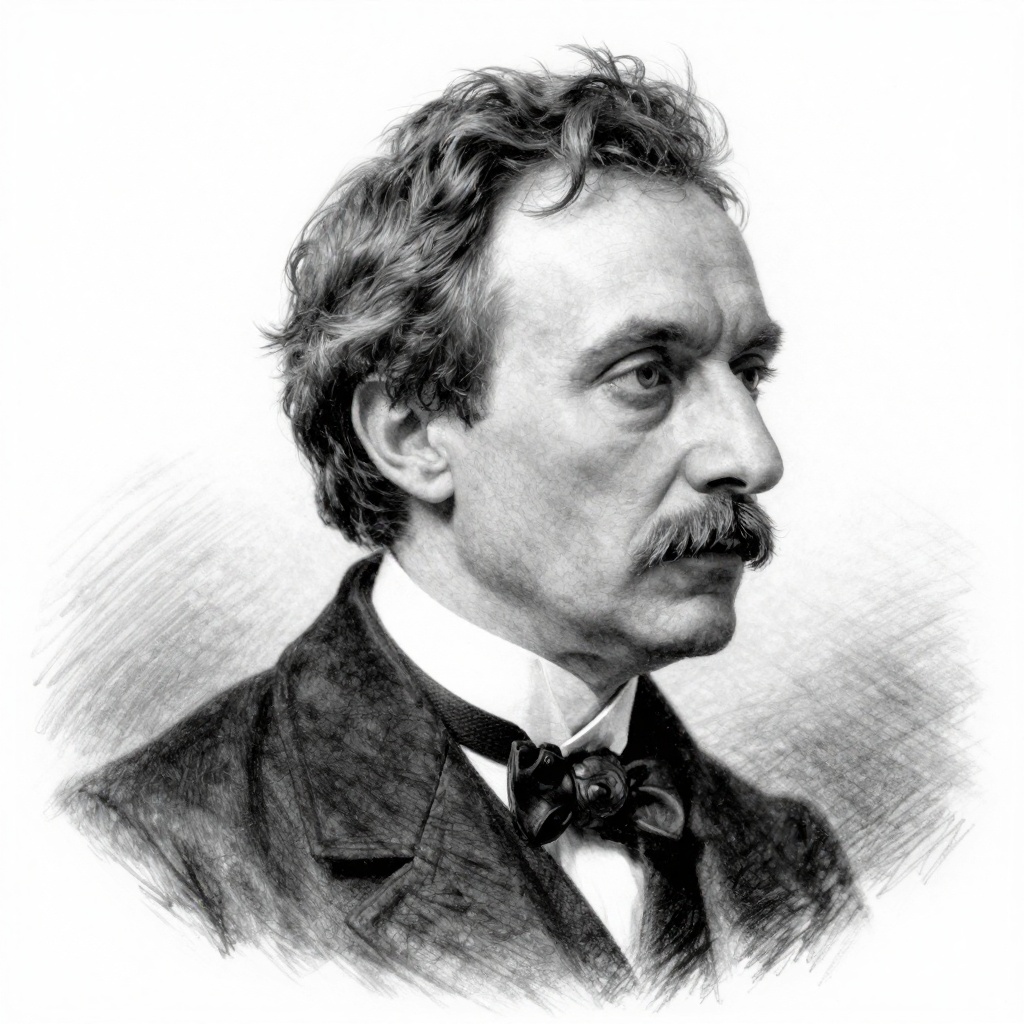
Comments