Quote · Added 28 March 2026
It’s no use going back to yesterday, because I was a different person then.
No ratings yet
Filed underchange·identity·reflection
Quote · Added 28 March 2026
Filed underchange·identity·reflection
We often torture ourselves replaying old choices—the email we shouldn't have sent, the relationship we let slip away, the career turn we didn't take. But there's something Carroll caught that actually makes this torture pointless: you genuinely cannot undo being who you are now. The person who made that decision doesn't exist anymore. Your values have shifted, your knowledge is different, your circumstances have changed. Trying to retroactively judge your past self by today's standards is like criticizing a child for not knowing calculus.
This doesn't mean avoiding responsibility, but it does suggest a different kind of honesty. Instead of spiraling in regret, the useful question becomes: what did that old version of you know then, and what have you learned since? The real growth happens when you stop trying to erase the past and start letting it inform who you're becoming. The mistakes aren't erasable—they're part of the texture of how you got here. That's actually freeing, if you let it be.
1832–1898·lived 65 years
Lewis Carroll, whose real name was Charles Lutwidge Dodgson, was an English writer, mathematician, and photographer. He is best known for his iconic works "Alice's Adventures in Wonderland" and its sequel "Through the Looking-Glass," which are beloved children's classics noted for their whimsical wordplay and imaginative storytelling.
Also by Lewis Carroll
Everything's got a moral, if only you can find it.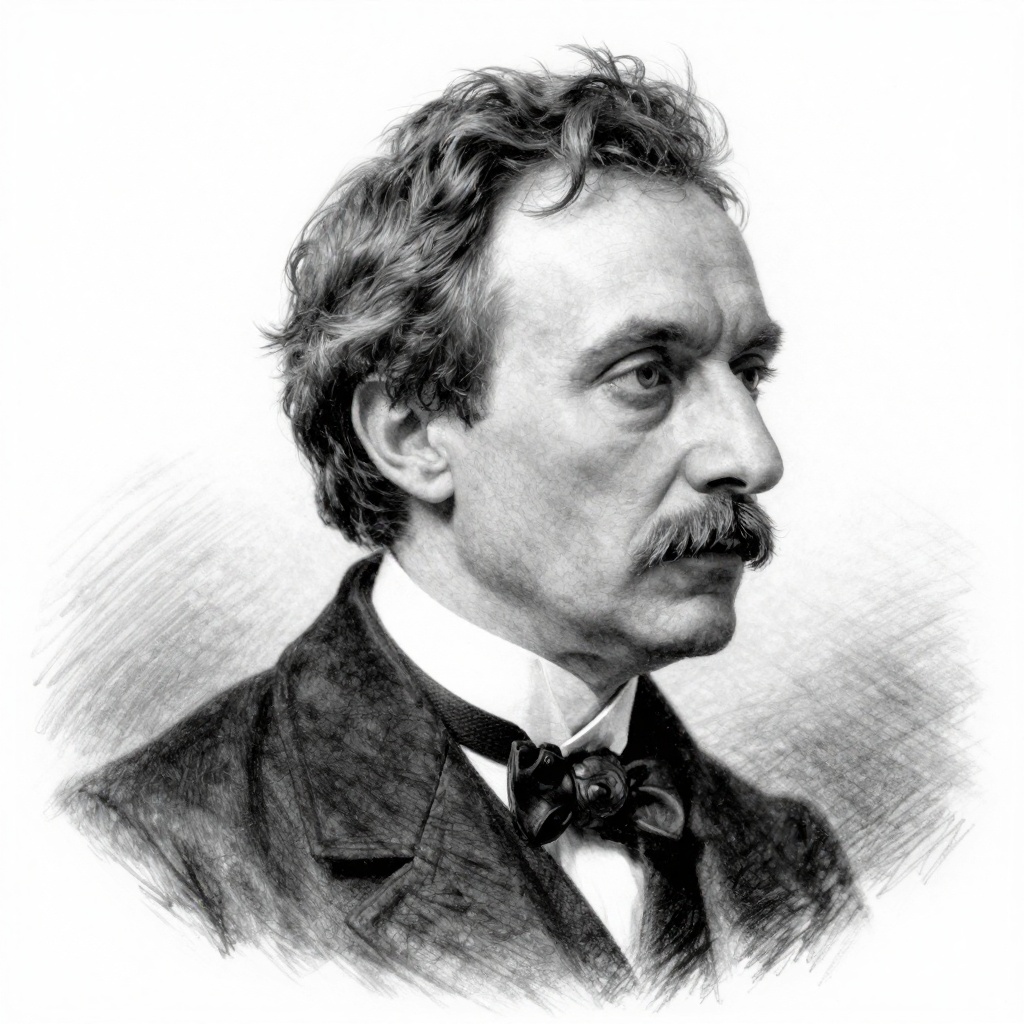
Comments