Quote · Added 26 June 2026
We measure the intelligence of an individual by the quantity of uncertainties he is capable of bearing.
Filed underintelligence·uncertainty·measurement
Quote · Added 26 June 2026
Filed underintelligence·uncertainty·measurement
Most of us are taught that intelligence means having answers—knowing things, being decisive, winning arguments. But Kant flips this around: true intelligence is actually about your tolerance for not knowing. It's the person who can sit comfortably in ambiguity, hold multiple contradictory ideas in mind without panicking, and resist the urge to settle on a false certainty just to feel better.
Think about your own experience. When you're facing a big decision—career change, relationship choice, what to believe about something important—the people who seem wisest aren't usually the ones shouting their convictions loudest. They're the ones asking good questions, staying curious longer than feels comfortable, living with the tension of competing possibilities. That discomfort is actually a sign you're thinking clearly. The less intelligent move is latching onto the first appealing explanation and closing the door on everything else.
This has real stakes today. We're surrounded by people who seem certain about everything—politics, health, what other people should do with their lives. They're often rewarded for confidence. But Kant suggests that real intelligence looks more like thoughtful hesitation, like someone saying "I don't know yet, and I'm okay sitting with that." That's harder than it sounds, and probably rarer than we'd like to admit.
1724–1804·lived 79 years
Immanuel Kant (1724–1804) was a German philosopher known for his work in metaphysics, ethics, and epistemology. He is considered one of the most influential thinkers in the history of Western philosophy, particularly for his ideas on the nature of knowledge, morality, and the mind.
Also by Immanuel Kant
We are not rich by what we possess but by what we can do without.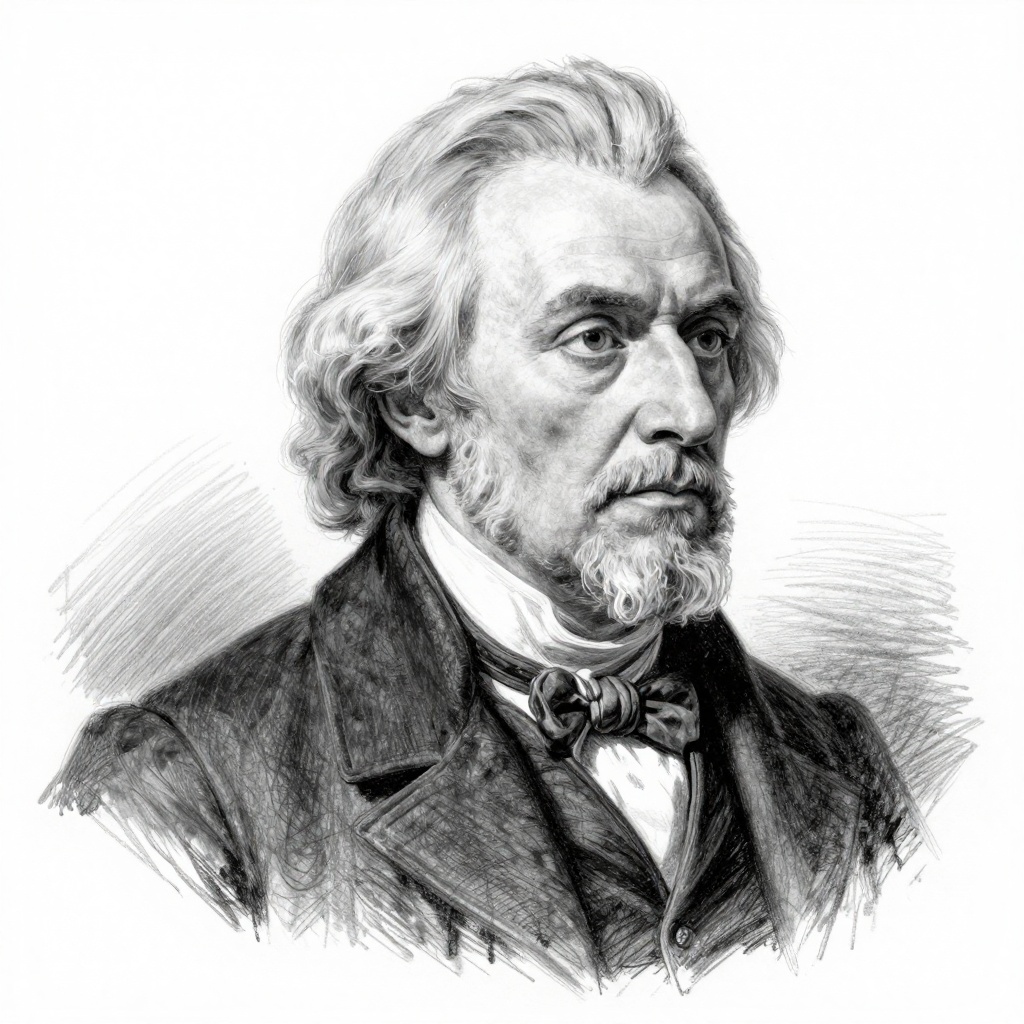
Comments