Quote · Added 14 March 2026
If the truth shall kill them, let them die.
Filed undertruth·death·consequence
Quote · Added 14 March 2026
Filed undertruth·death·consequence
There's something almost reckless about this line, which is probably why it sticks with us. Kant wasn't being dramatic—he was saying that if your honest version of things threatens someone's comfortable delusions, that's not your problem to solve. The burden of truth-telling shouldn't fall on you just because someone prefers a lie.
This matters now because we live in an age of constant softening. We're told to "consider your audience," to "be mindful of how people might react," to package hard truths in so much diplomatic language that they disappear entirely. There's genuine wisdom in kindness, sure. But there's also a strange paralysis that comes from trying to protect everyone from reality. We end up saying nothing real at all.
The non-obvious part is that Kant isn't endorsing cruelty for its own sake. He's drawing a line between your responsibility to be truthful and your inability to control whether that truth makes someone uncomfortable. The worst thing you can do is contort yourself into dishonesty hoping it'll hurt less. That just guarantees two people are living in fiction. Sometimes the kinder move is simply to tell what you see and let them decide what they do with it.
1724–1804·lived 79 years
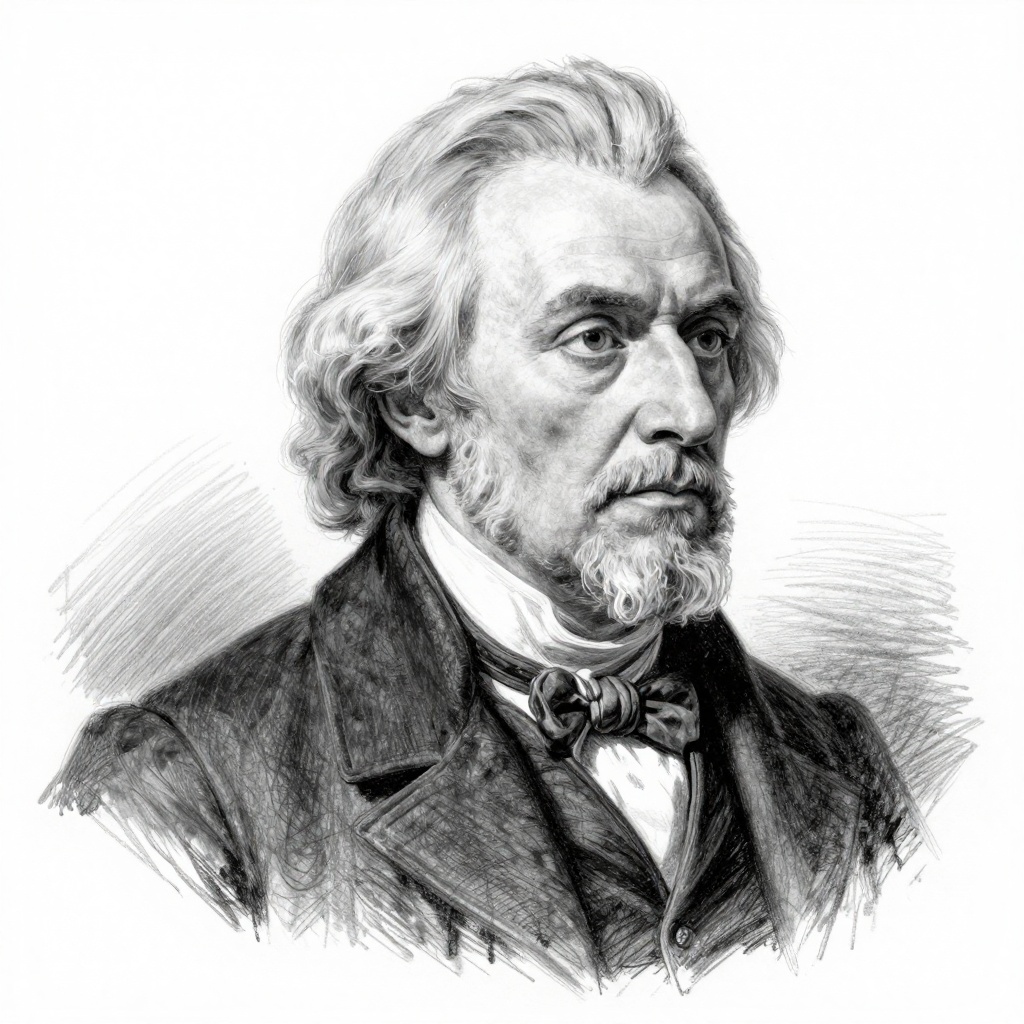
Immanuel Kant (1724–1804) was a German philosopher known for his work in metaphysics, ethics, and epistemology. He is considered one of the most influential thinkers in the history of Western philosophy, particularly for his ideas on the nature of knowledge, morality, and the mind.
Comments