Quote · Added 19 March 2026
We are not rich by what we possess but by what we can do without.
Filed underwealth·simplicity·fulfillment
Quote · Added 19 March 2026
Filed underwealth·simplicity·fulfillment
There's something counterintuitive here that most of us learn too late: the person who needs less is actually freer than the person who has more. Not in some abstract spiritual way, but practically. When you can walk away from something—a job, a relationship, a lifestyle—because you don't desperately need what it provides, you've gained a kind of power that money alone can't buy.
Think about the moments when you've felt most trapped. Usually they involve needing something badly: needing approval, needing a paycheck, needing to maintain an image. Now think about times you've felt genuinely free. Often it's when you realized you could actually live without whatever was stressing you. That shift in your mind changes everything about how you move through the world.
This doesn't mean abandoning comfort or ambition. It means building capacity to do without, the way athletes build endurance. The person who saves money isn't just preparing for emergencies—they're buying optionality. The person who develops their own skills, grows their own food, or maintains friendships outside of one social circle is doing the same thing. Real wealth is flexibility. It's the ability to say no. And that comes from knowing you'll be okay either way.
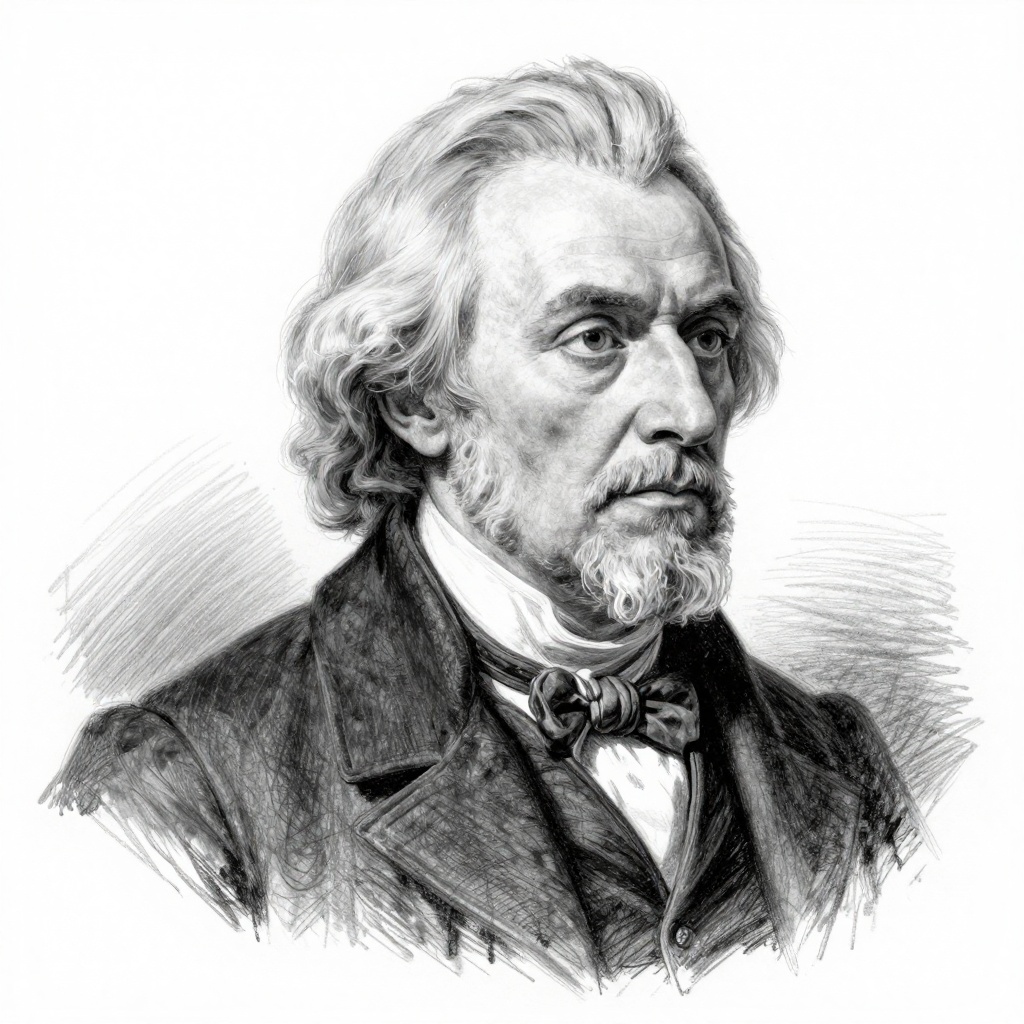
1724–1804·lived 79 years
Immanuel Kant (1724–1804) was a German philosopher known for his work in metaphysics, ethics, and epistemology. He is considered one of the most influential thinkers in the history of Western philosophy, particularly for his ideas on the nature of knowledge, morality, and the mind.
Comments