Quote · Added 14 February 2026
It's a poor sort of memory that only works backwards.
Lewis CarrollThrough the Looking-Glass, Chapter Five, 1871
No ratings yet
Filed undermemory·reflection·growth
Quote · Added 14 February 2026
Filed undermemory·reflection·growth
We tend to think of memory as a filing cabinet—you reach in, pull out what happened, and relive it exactly as it was. But Carroll's point cuts deeper. A memory that only looks back is basically useless. What good is remembering if you can't learn from it, predict what might happen next, or avoid making the same mistake twice?
The real power of memory isn't nostalgia or accuracy. It's using the past to navigate forward. When you remember that you always procrastinate on Mondays, that's your memory working forward—it's helping you prepare differently this week. When you recall a conversation that went badly and adjust your approach next time, your memory is actually doing its job. The same goes for recognizing patterns in relationships, work, or your own habits. Memory without foresight is just storytelling.
What makes this especially relevant now is how much time we spend curating and replaying the past on social media, in photos, in endless recaps. We're swimming in backward-looking memory. But Carroll suggests that's actually a poor use of the very tool we have. The sharpest minds use memory as a lens forward, not as a mirror.
1832–1898·lived 65 years
Lewis Carroll, whose real name was Charles Lutwidge Dodgson, was an English writer, mathematician, and photographer. He is best known for his iconic works "Alice's Adventures in Wonderland" and its sequel "Through the Looking-Glass," which are beloved children's classics noted for their whimsical wordplay and imaginative storytelling.
Also by Lewis Carroll
It’s no use going back to yesterday, because I was a different person then.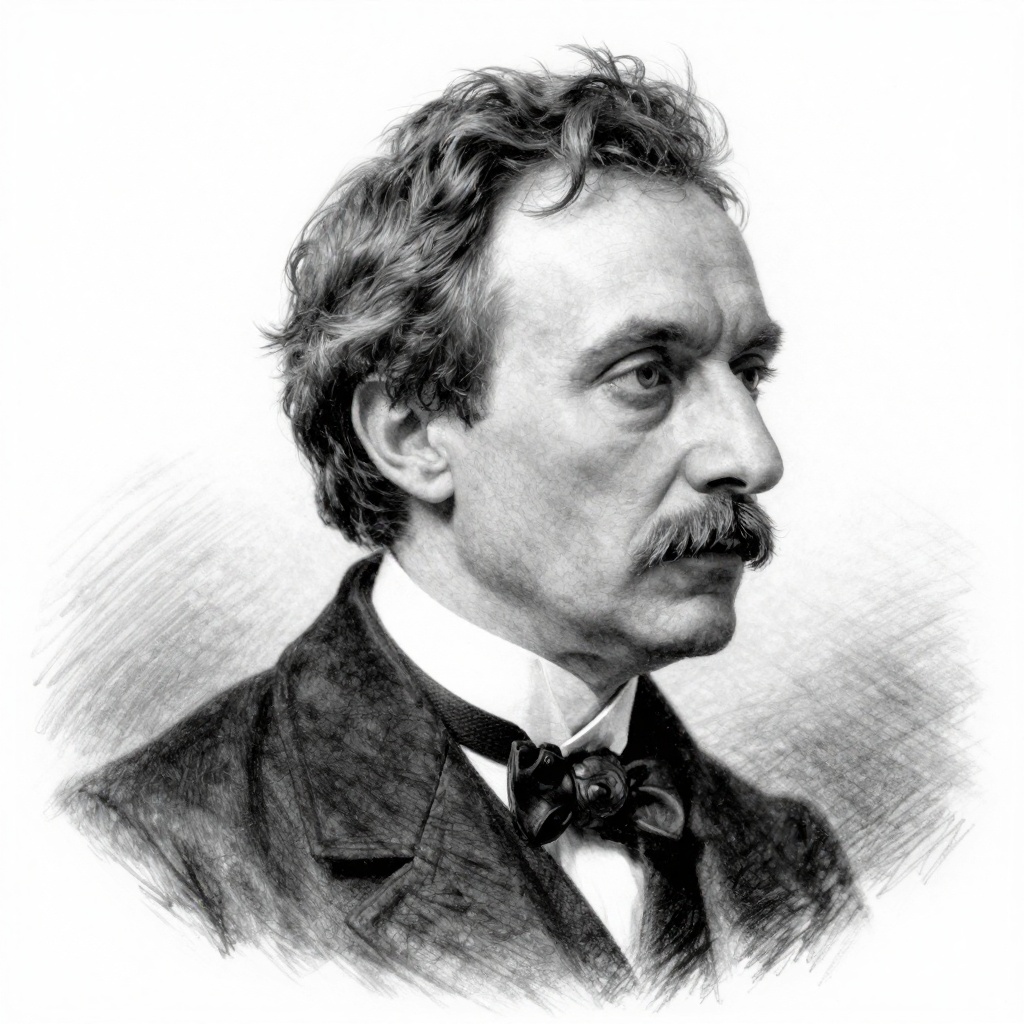
Comments