Quote · Added 10 September 2024
In solitude, the mind gains strength and learns to lean upon itself.
Leonardo da VinciThe Notebooks of Leonardo da Vinci, 2002
No ratings yet
Filed undersolitude·strength·self-reliance
Quote · Added 10 September 2024
Filed undersolitude·strength·self-reliance
We live in an age of constant connection, yet many of us feel oddly fragile when left alone. We reach for our phones, fill silence with podcasts, anything to avoid sitting with our own thoughts. But there's something Leonardo understood that we've mostly forgotten: solitude isn't a problem to solve, it's where real thinking actually happens.
When you're alone, without an audience or someone to perform for, your mind does something it can't do in company. It stops rehearsing what you think you should think and actually explores what you genuinely believe. You start to notice patterns in your own behavior, recognize what you actually want versus what you've been told to want. It's uncomfortable at first because you're meeting yourself without the buffer of distraction. But that discomfort is the point. It's where strength comes from.
The surprising part? This doesn't mean you have to become a hermit. Even a genuine 30 minutes alone—thinking, walking, writing, creating—rewires how you operate in the world. You become less dependent on external validation to feel okay. And paradoxically, when you're stronger in yourself, you show up better in your relationships. You're not constantly seeking reassurance or approval. You're actually present, not performing.
1452–1519·lived 67 years
Leonardo da Vinci was an Italian polymath active during the Renaissance, known for his proficiency in various fields such as painting, sculpting, engineering, anatomy, and science. His most famous works include the Mona Lisa and The Last Supper, and he is widely regarded as one of the greatest artists of all time.
Also by Leonardo da Vinci
Just as food eaten without appetite is a tedious nourishment, so does study without zeal d...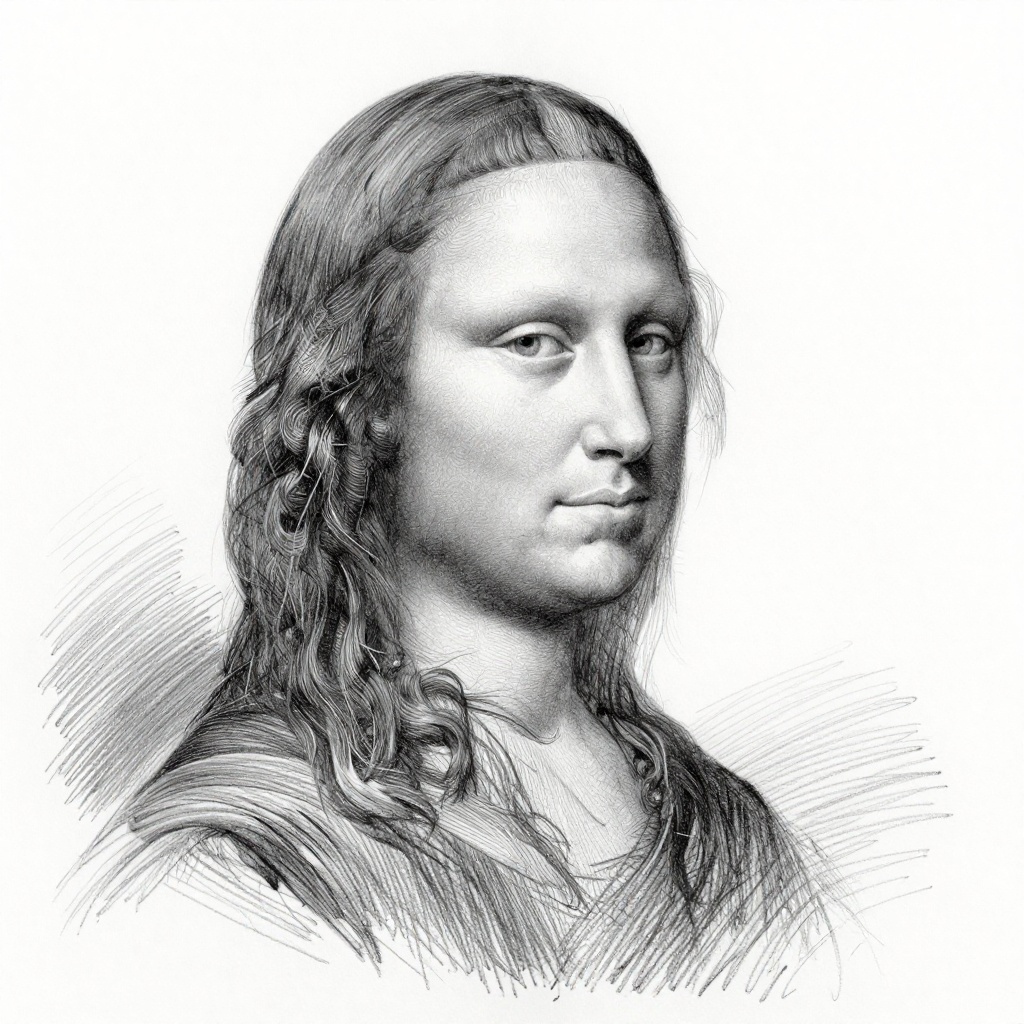
Comments