Quote · Added 16 March 2026
Just as food eaten without appetite is a tedious nourishment, so does study without zeal damage the memory by not assimilating what it absorbs.
No ratings yet
Quote · Added 16 March 2026
We've all been there—forcing yourself through a textbook chapter or online course when your mind is somewhere else entirely. You read the words, maybe even highlight them, but three minutes later you can't remember a thing. There's something almost cruel about that experience, the sense that you're wasting your own time. Leonardo was describing something real here: learning without genuine interest doesn't just feel bad, it actually doesn't stick. Your brain needs some spark of hunger, some real curiosity, to turn information into something it can actually use.
The surprising part is that this applies way beyond school. That productivity hack you read about, the skill you think you "should" learn, the news story everyone's discussing—if you're not actually curious about it, your mind treats it like empty calories. You might consume it, but it passes right through. This is why forcing yourself to care rarely works. The fix isn't motivation or discipline; it's usually permission to skip the things that bore you and hunt for what genuinely intrigues you instead.
The real insight is that your lack of interest isn't a personal failing—it's useful information. It's your mind telling you where your actual energy lies. When you do find that zeal, learning stops feeling like work and starts feeling inevitable.
1452–1519·lived 67 years
Leonardo da Vinci was an Italian polymath active during the Renaissance, known for his proficiency in various fields such as painting, sculpting, engineering, anatomy, and science. His most famous works include the Mona Lisa and The Last Supper, and he is widely regarded as one of the greatest artists of all time.
Also by Leonardo da Vinci
Not to punish evil is equivalent to authorizing it.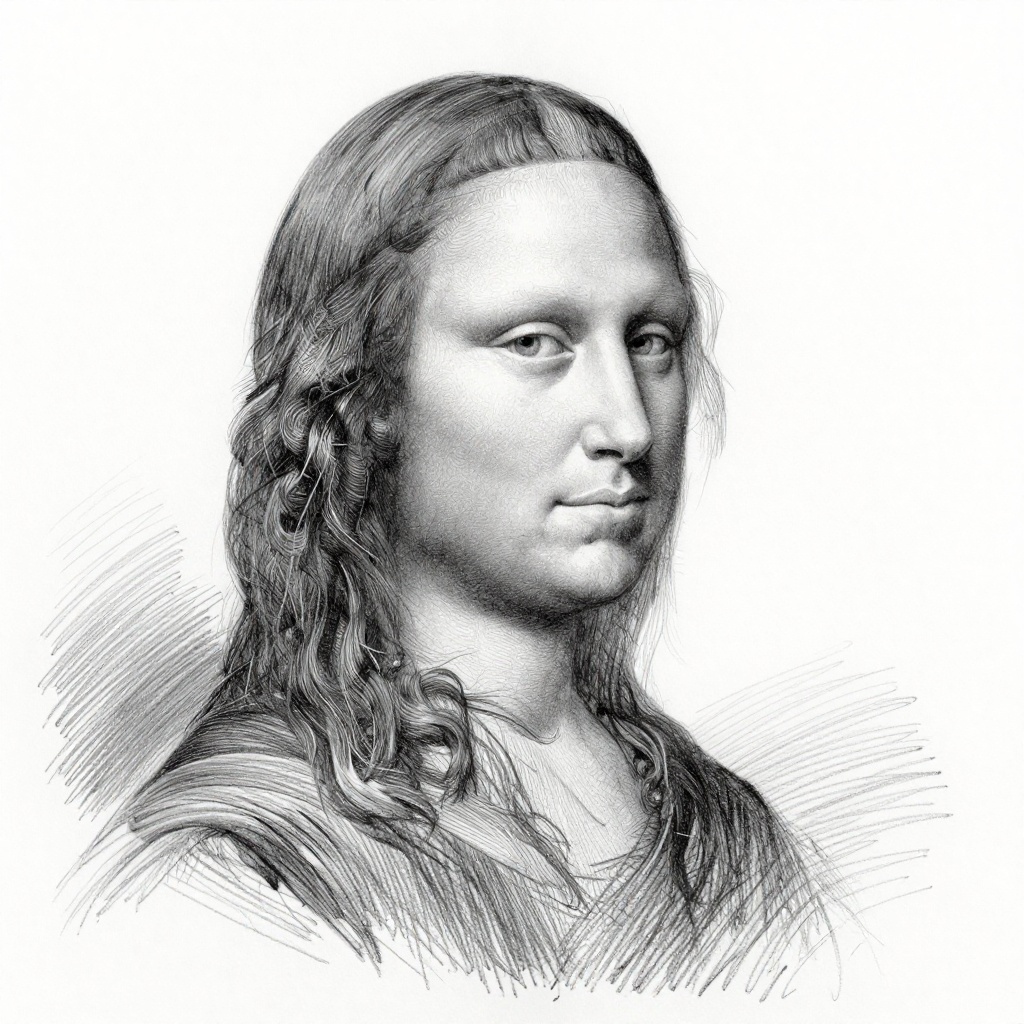
Comments