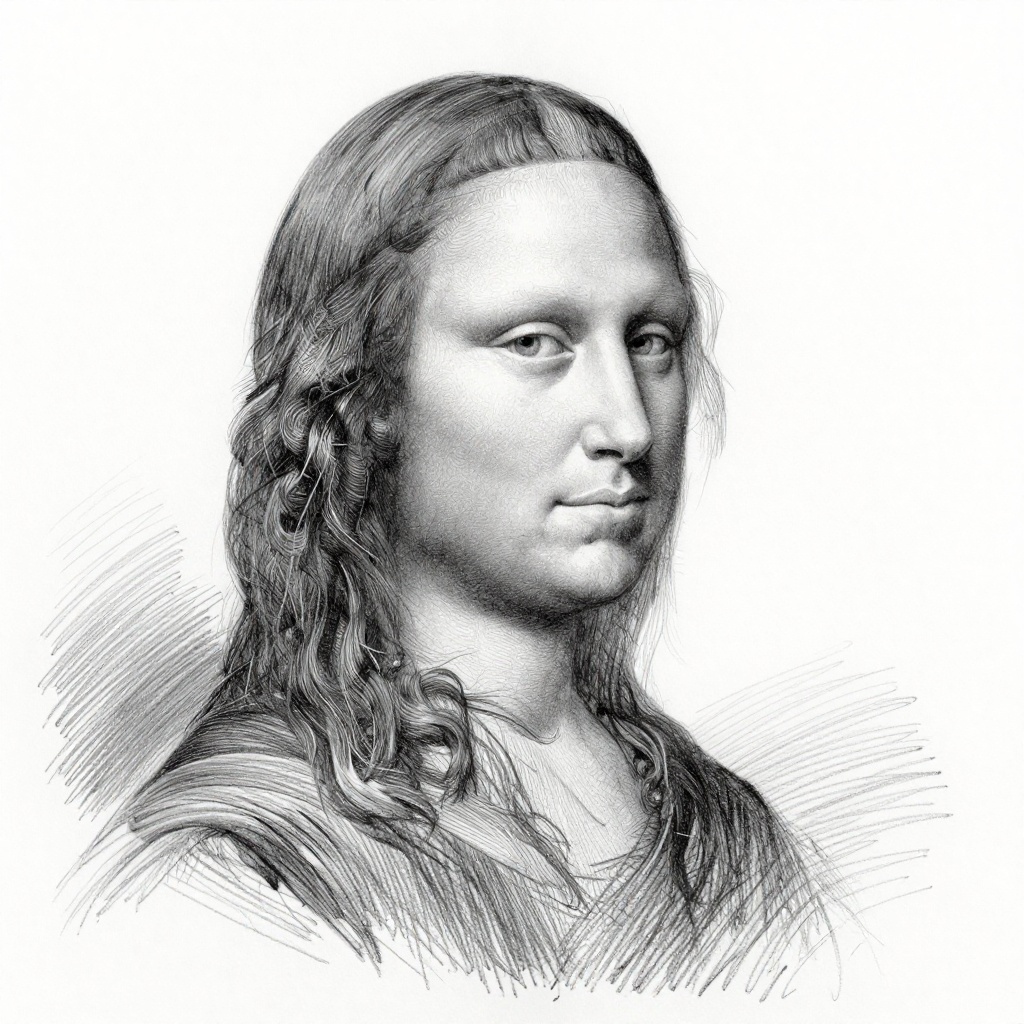
Experience never errs; it is only your judgments that err by promising themselves effects such as are not caus... — Leonardo da Vinci

Experience never errs; it is only your judgments that err by promising themselves effects such as are not caused by your experiments.

Author: Leonardo da Vinci

Insight: What Leonardo is really saying here is that reality doesn't lie—but we do, constantly, to ourselves. When an experiment fails, our first instinct is to blame the method or bad luck. We rarely blame our assumptions about what we expected to happen. The gap between what we wanted to find and what actually occurred isn't a failure of experience; it's where learning lives, if we're honest enough to look. This matters now more than ever because we're drowning in information but starving for real observation. We scroll through results that confirm what we already believe, then wonder why our diets don't work or our productivity hacks fizzle. We're not short on data—we're short on the willingness to sit with uncomfortable results. Leonardo spent years watching water flow, dissecting bodies, sketching light. He wasn't rushing to conclusions; he was letting what actually happened teach him instead of forcing it to fit what he wanted it to mean. The practical twist: every time something doesn't go as planned—a conversation that goes sideways, a project that stalls—you have a choice. You can blame circumstances, or you can become curious about what your actual experience is trying to tell you. That shift from disappointment to genuine curiosity is where growth begins.

Reality doesn't lie, you do

Experience never errs; it is only your judgments that err by promising themselves effects such as are not caused by your experiments.

What Leonardo is really saying here is that reality doesn't lie—but we do, constantly, to ourselves. When an experiment fails, our first instinct is to blame the method or bad luck. We rarely blame our assumptions about what we expected to happen. The gap between what we wanted to find and what actually occurred isn't a failure of experience; it's where learning lives, if we're honest enough to look.

This matters now more than ever because we're drowning in information but starving for real observation. We scroll through results that confirm what we already believe, then wonder why our diets don't work or our productivity hacks fizzle. We're not short on data—we're short on the willingness to sit with uncomfortable results. Leonardo spent years watching water flow, dissecting bodies, sketching light. He wasn't rushing to conclusions; he was letting what actually happened teach him instead of forcing it to fit what he wanted it to mean.

The practical twist: every time something doesn't go as planned—a conversation that goes sideways, a project that stalls—you have a choice. You can blame circumstances, or you can become curious about what your actual experience is trying to tell you. That shift from disappointment to genuine curiosity is where growth begins.

AI generated

Comments

Sign in to leave a comment or reply to one.

Sign in

Leonardo da Vinci

Leonardo da Vinci was an Italian polymath active during the Renaissance, known for his proficiency in various fields such as painting, sculpting, engineering, anatomy, and science. His most famous works include the Mona Lisa and The Last Supper, and he is widely regarded as one of the greatest artists of all time.

Graph

Related