Quote · Added 10 February 2026
Wrong life cannot be lived rightly.
Leo TolstoyWhat Shall We Do?, Chapter 38, 1904
No ratings yet
Filed underlife·morality·authenticity
Quote · Added 10 February 2026
Filed underlife·morality·authenticity
There's something both liberating and unsettling about this idea. We spend so much energy trying to optimize the details—being more productive, kinder, more disciplined—as if those small improvements could somehow redeem a fundamentally misaligned life. But Tolstoy is suggesting something harder: you can't actually think your way out of a misdirected path. The right habits and choices matter, yes, but they can't compensate for being on the wrong one entirely.
This hits especially hard in modern life because we're encouraged to believe that willpower and self-improvement can fix anything. Maybe you hate your job but tell yourself you'll just be more present, more grateful. Maybe a relationship drains you but you optimize communication, set better boundaries. Sometimes those efforts help, but sometimes they're just furniture rearrangement in a house that was never meant for you.
The non-obvious part? Recognizing a wrong life often requires stopping the self-improvement project long enough to ask whether the foundation itself is sound. That's scarier than any productivity hack, because it might demand real change—not better execution of what you're already doing, but a different direction entirely. The good news hidden in Tolstoy's stern statement is that once you see it, you actually can change course.
1828–1910·lived 82 years
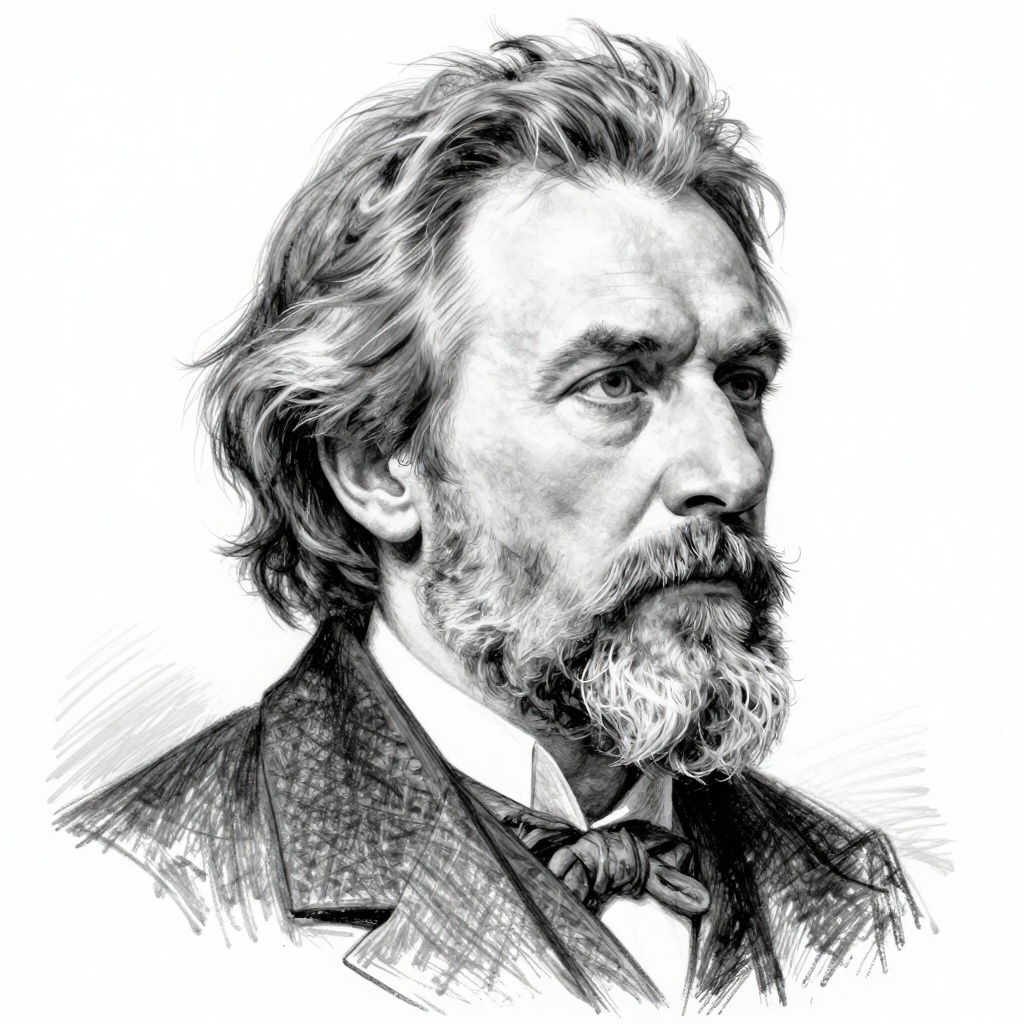
Leo Tolstoy was a renowned Russian writer and philosopher, known for his epic novels "War and Peace" and "Anna Karenina." He is widely regarded as one of the greatest authors in world literature, his works exploring themes of morality, society, and the human experience.
Comments