Quote · Added 1 November 2023
Wrong does not cease to be wrong because the majority share in it.
Leo TolstoyA Confession
No ratings yet
Quote · Added 1 November 2023
There's a strange comfort in going along with the crowd. If everyone around you thinks something is fine—if your workplace normalizes long unpaid hours, if your friend group dismisses someone's valid concern, if a common practice feels slightly off but "everyone does it"—then surely you're overthinking it, right? Tolstoy's point cuts through that fog: popularity doesn't change the nature of a thing. A compromise on your values doesn't become noble just because it's widespread.
The tricky part is that this cuts both ways in modern life. We often use this principle to feel superior—to convince ourselves we're the brave ones resisting the herd. But Tolstoy isn't actually asking us to be rebels for rebellion's sake. He's asking something harder: to examine our own complicity. Where are we silently participating in something we suspect isn't right? Where do we hide behind "everyone's doing it" instead of asking ourselves what we actually think is fair, honest, or kind?
That's the uncomfortable invitation here. It's easier to point out when others are wrong in a crowd. It's much harder to stand apart from something you've already accepted. But that's exactly where the quote lives—not in grand moral stands, but in the small daily choice to let your conscience matter more than your comfort.
1828–1910·lived 82 years
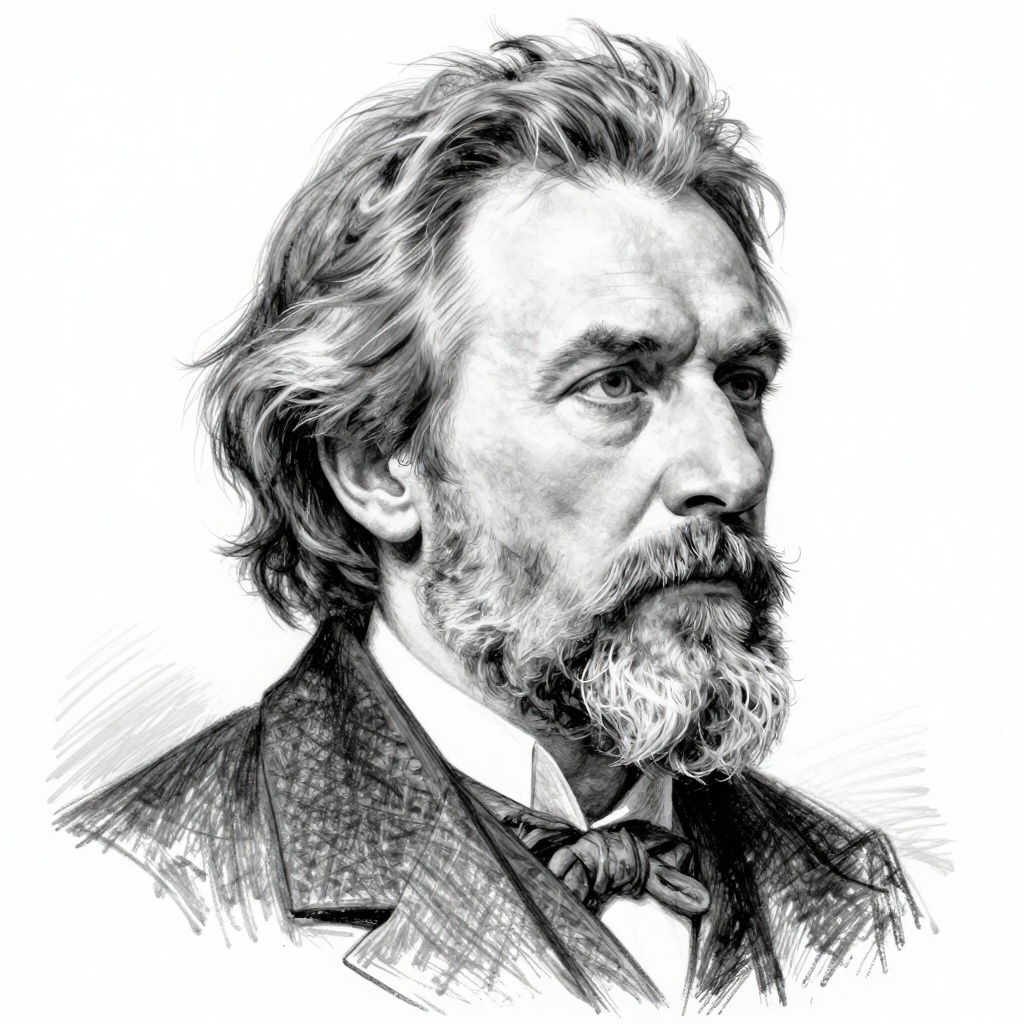
Leo Tolstoy was a renowned Russian writer and philosopher, known for his epic novels "War and Peace" and "Anna Karenina." He is widely regarded as one of the greatest authors in world literature, his works exploring themes of morality, society, and the human experience.
Comments