Quote · Added 4 March 2026
Getting used to a life of idleness is worse than all life’s disasters.
No ratings yet
Filed underidleness·adversity·discontent
Quote · Added 4 March 2026
Filed underidleness·adversity·discontent
There's something almost paradoxical about this idea, because idleness sounds peaceful—like the thing we're all supposed to want more of. But Tolstoy is pointing at something sharper: the danger isn't in taking a break or resting when you need it. It's in the creeping habit of doing nothing, the way comfort can calcify into stagnation. Once you get used to it, the muscles atrophy. Your mind stops generating its own momentum. You become oddly dependent on that emptiness, and suddenly any real challenge feels impossible.
This matters now more than ever, partly because we can fall into low-grade idleness so easily. Social media scrolling, streaming another episode, the comfortable ache of putting things off—these don't feel like doing nothing the way sitting in a room might have in Tolstoy's era. They feel like doing something. But the effect is similar: a slow erosion of your own agency and purpose. The person who never tries anything never fails, but they also never really begins.
The counterintuitive part Tolstoy hints at is that struggle itself—genuine, difficult engagement with something that matters—might actually be what keeps us intact. Not hardship for its own sake, but the aliveness that comes from effort.
1828–1910·lived 82 years
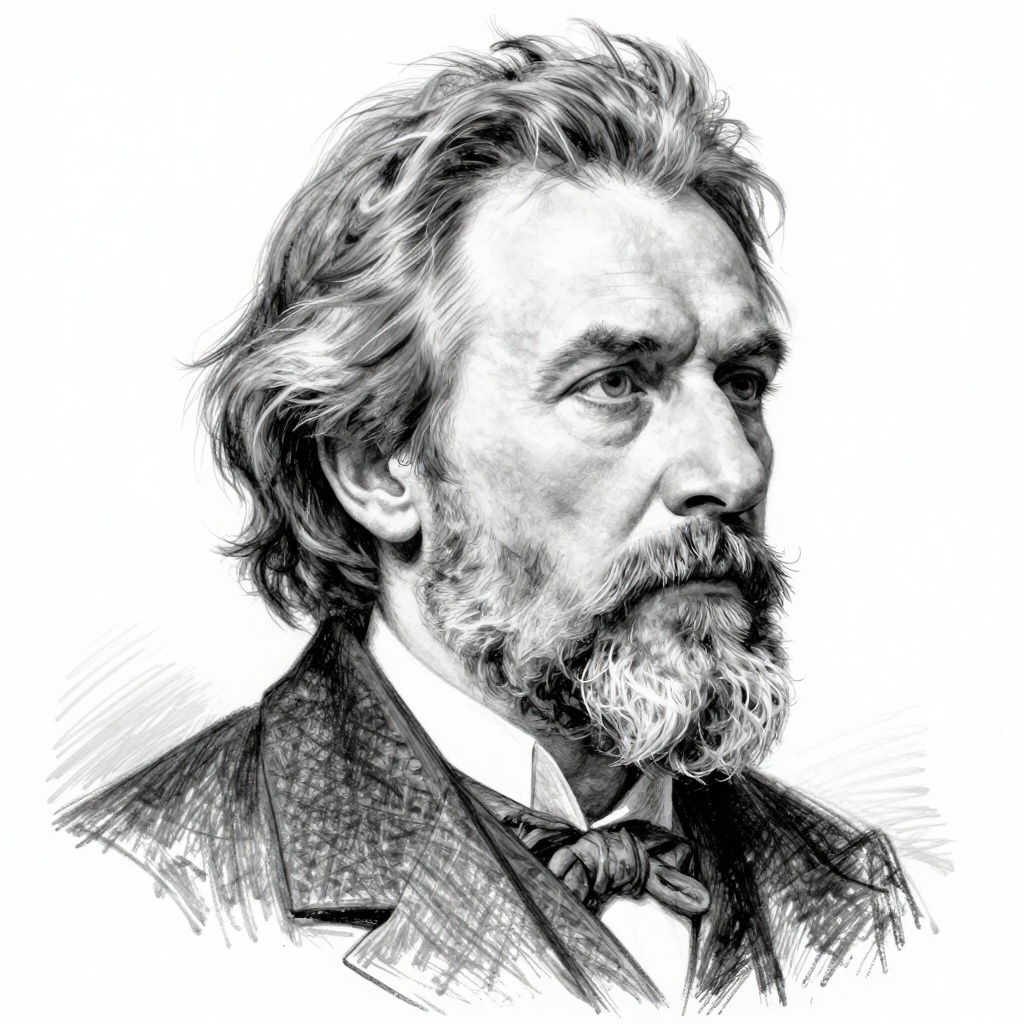
Leo Tolstoy was a renowned Russian writer and philosopher, known for his epic novels "War and Peace" and "Anna Karenina." He is widely regarded as one of the greatest authors in world literature, his works exploring themes of morality, society, and the human experience.
Comments