Quote · Added 14 February 2026
The sole meaning of life is to serve humanity.
Leo TolstoyThe Kingdom of God Is Within You, 2002
No ratings yet
Quote · Added 14 February 2026
There's something almost radical about this idea when you sit with it—that your life's meaning isn't found in accumulating things, climbing ladders, or even pursuing happiness itself, but in the simple act of being useful to others. Tolstoy wrote this after his own crisis of meaning, when he realized that wealth and status had left him feeling hollow. He discovered that the moments when he felt most alive were when he was genuinely helping someone.
The tricky part is that "serving humanity" doesn't require you to be a saint or sacrifice everything. It can look like showing up well for the people around you, doing work that solves real problems, listening when someone needs it, or building something that makes others' lives easier. The non-obvious angle here is that serving others often ends up being the best answer to the question "What should I do with my life?"—not because it's noble, but because it's actually the thing that makes us feel purposeful. When you're absorbed in something bigger than your own anxieties and ambitions, you stop spinning in the exhausting cycle of self-doubt.
This doesn't mean ignoring your own needs. It means recognizing that our deepest satisfaction tends to come not from turning inward, but from turning toward something outside ourselves.
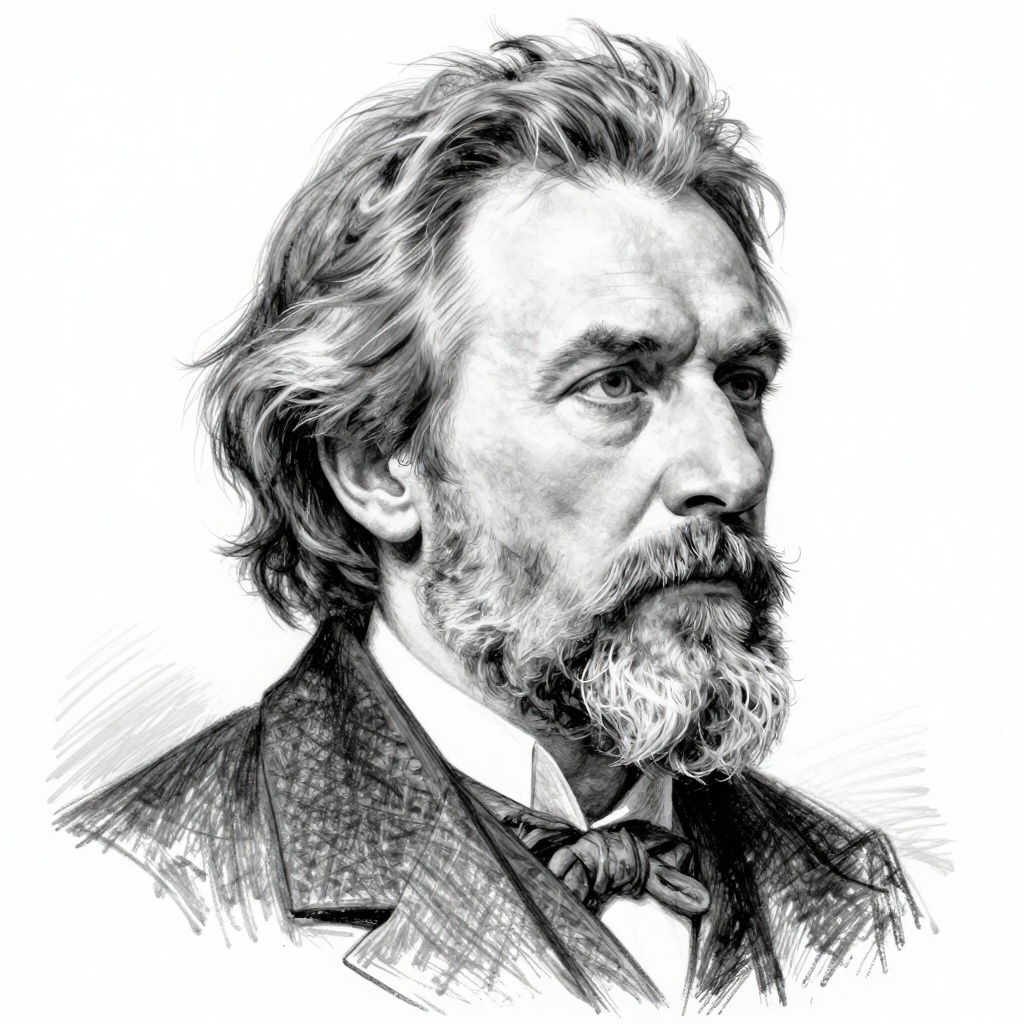
1828–1910·lived 82 years
Leo Tolstoy was a renowned Russian writer and philosopher, known for his epic novels "War and Peace" and "Anna Karenina." He is widely regarded as one of the greatest authors in world literature, his works exploring themes of morality, society, and the human experience.
Comments