Quote · Added 28 February 2026
People aren’t punished for their sins, they’re punished by their sins. This is the gravest and surest punishment.
No ratings yet
Filed undersins·punishment·consequences
Quote · Added 28 February 2026
Filed undersins·punishment·consequences
We usually imagine punishment as something external—a consequence imposed on us by someone else, a debt we pay to the world. But Tolstoy is pointing at something more unsettling: the real damage is built into the wrongdoing itself. When you lie to someone close to you, the punishment isn't waiting in some future reckoning. It's the erosion of trust happening right now, the weight of maintaining the lie, the distance that grows between you. The punishment is already happening inside the relationship and inside yourself.
This reframes guilt in a way that actually matters to how we live. It means you can't just apologize and expect the slate to wipe clean, because the sin and its consequences are the same thing. A habit of cutting corners at work doesn't get punished later—it's being punished now through the anxiety, the mediocre results, the quiet knowledge that you're capable of better. The person who stays bitter about an old slight is being punished by that bitterness every day, not by the original offense.
The gravest part of Tolstoy's insight is that this punishment is guaranteed. You don't need anyone hunting you down. The consequences are already woven into what you've done, unfolding naturally and sometimes invisibly. That's both terrifying and oddly clarifying—it means the most important accountability isn't about external judgment. It's about seeing clearly what your choices are actually costing you.
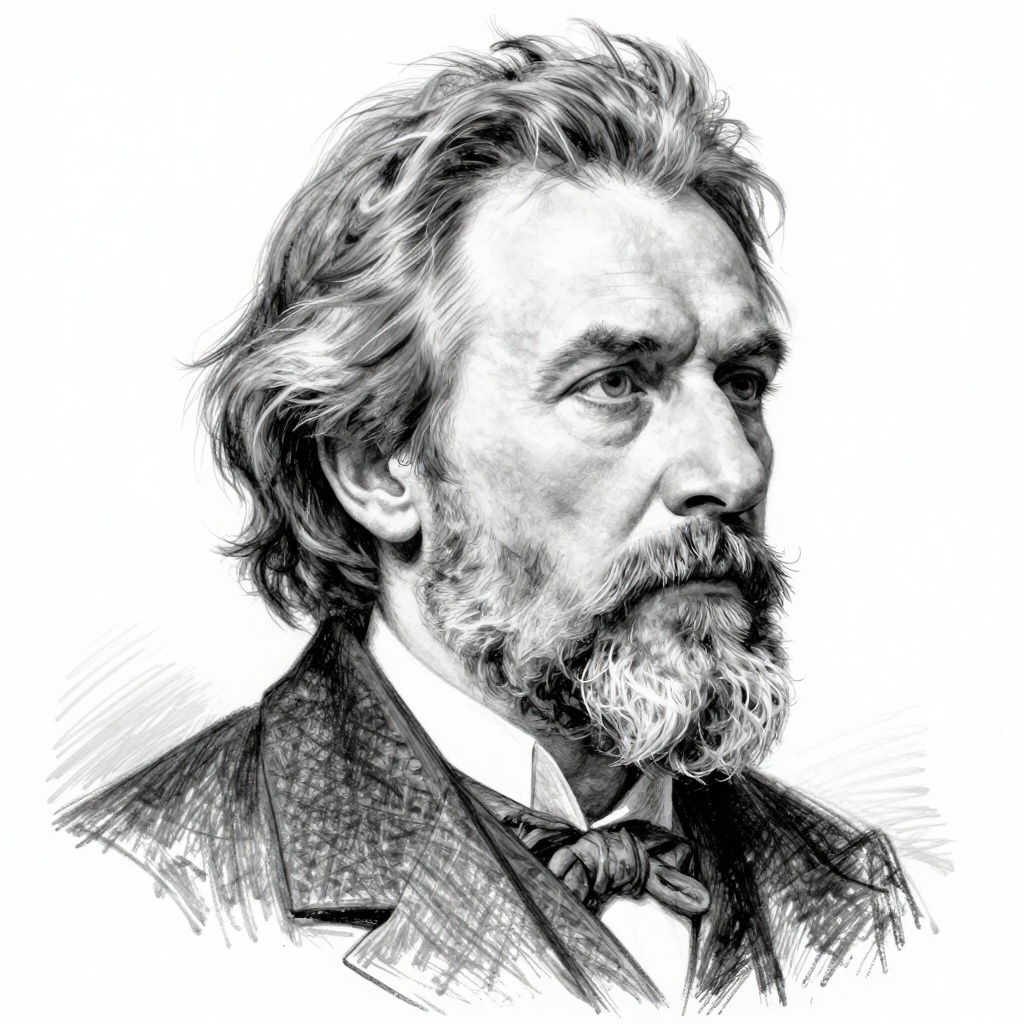
1828–1910·lived 82 years
Leo Tolstoy was a renowned Russian writer and philosopher, known for his epic novels "War and Peace" and "Anna Karenina." He is widely regarded as one of the greatest authors in world literature, his works exploring themes of morality, society, and the human experience.
Comments