Quote · Added 14 February 2026
Tis known by the name of perseverance in a good cause, and of obstinacy in a bad one.
Laurence SterneTristram Shandy, Vol. 1, p. 100, 1759
No ratings yet
Filed underperseverance·obstinacy·virtue
Quote · Added 14 February 2026
Filed underperseverance·obstinacy·virtue
We all think we're persevering when we keep pushing toward something we believe in. But here's the uncomfortable part of Sterne's observation: the person stubbornly insisting they're right usually feels exactly the same conviction as someone actually making progress. The difference isn't in the feeling—it's in whether you're headed somewhere real.
This matters because it means you can't trust your own sense of determination to tell you if you're on the right track. That grinding, unwavering commitment you feel? It could be genuine growth, or it could be you talking yourself deeper into a corner. A parent who won't listen to their kid's perspective calls it firmness. A person refusing to leave a bad relationship calls it loyalty. Both feel like virtue from the inside.
The quietly unsettling insight is that the only honest way to know the difference is to stay open to being wrong. Real perseverance includes pausing sometimes to ask whether you're actually moving forward or just moving harder. Stubbornness, by contrast, never asks. It just keeps going.
1713–1768·lived 54 years
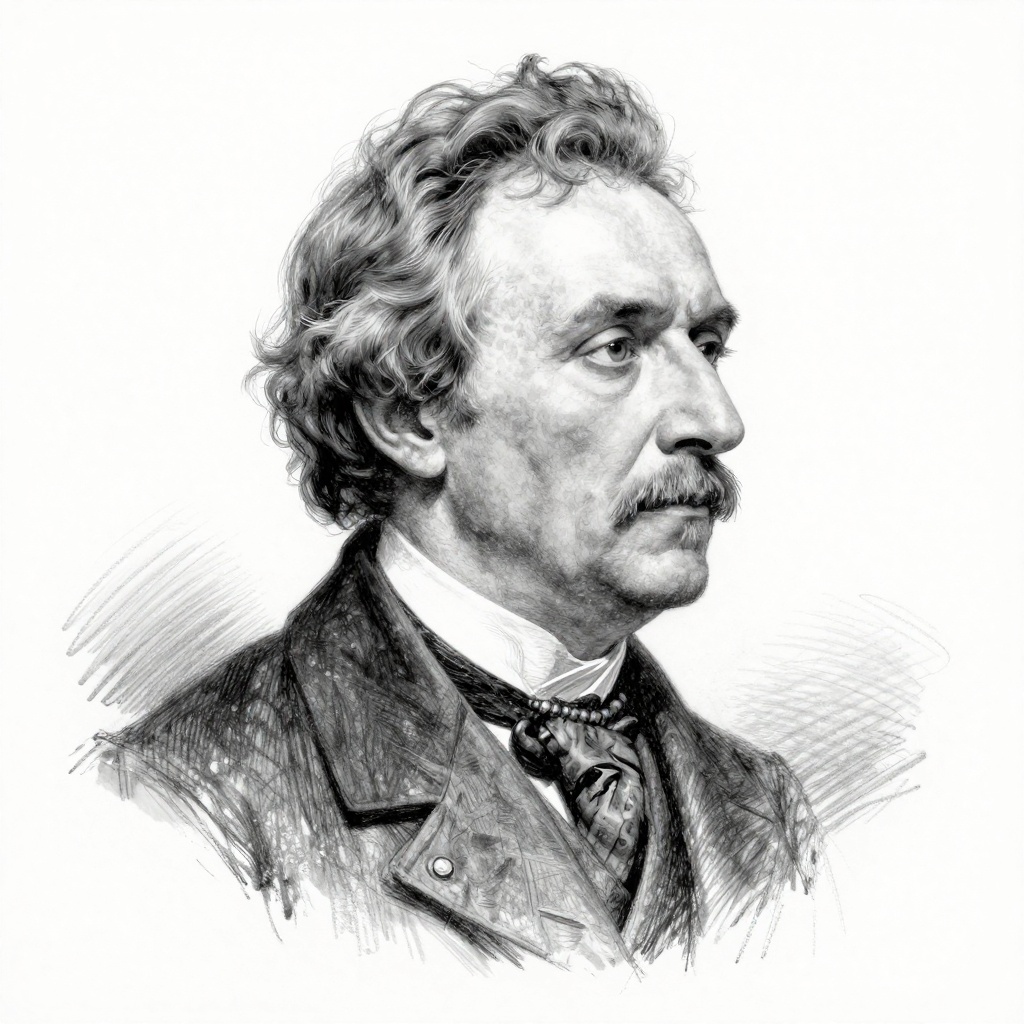
Laurence Sterne was an Irish novelist and Anglican clergyman, best known for his innovative novel "Tristram Shandy," published between 1759 and 1767. His work is celebrated for its playful narrative style and digressive storytelling, which had a significant influence on the development of the modern novel. Sterne's unique approach to prose has made him a key figure in English literature.
Comments