Titles of honor are like the impressions on coins, which add no value to gold or silver, but only render brass... — Laurence Sterne

Titles of honor are like the impressions on coins, which add no value to gold or silver, but only render brass current.

Author: Laurence Sterne

Insight: We live in a world obsessed with titles—CEO, Director, Expert, Influencer. They feel important, like they should matter deeply. But Sterne's observation cuts through this. A fancy title doesn't actually make someone more capable, kinder, or wiser. It's just a stamp that makes ordinary brass look like something precious. The real value was always in the person, not the letters after their name. This hits differently now than when Sterne wrote it. We see it constantly: someone with an impressive title who turns out to be mediocre at their job, or someone without credentials who quietly solves real problems. The disconnect is jarring because we've been conditioned to trust the stamp more than what's underneath. We mistake the impression for the substance. The twist is that understanding this actually frees you. It means you don't need a prestigious title to have influence or matter. It also means you shouldn't be intimidated by other people's titles, or spend your life chasing them as if they'll finally prove your worth. The real currency has always been what you can actually do, how you treat people, and whether your work holds up to scrutiny. Everything else is just engraving on brass.

The stamp matters less than the metal

Titles of honor are like the impressions on coins, which add no value to gold or silver, but only render brass current.

We live in a world obsessed with titles—CEO, Director, Expert, Influencer. They feel important, like they should matter deeply. But Sterne's observation cuts through this. A fancy title doesn't actually make someone more capable, kinder, or wiser. It's just a stamp that makes ordinary brass look like something precious. The real value was always in the person, not the letters after their name.

This hits differently now than when Sterne wrote it. We see it constantly: someone with an impressive title who turns out to be mediocre at their job, or someone without credentials who quietly solves real problems. The disconnect is jarring because we've been conditioned to trust the stamp more than what's underneath. We mistake the impression for the substance.

The twist is that understanding this actually frees you. It means you don't need a prestigious title to have influence or matter. It also means you shouldn't be intimidated by other people's titles, or spend your life chasing them as if they'll finally prove your worth. The real currency has always been what you can actually do, how you treat people, and whether your work holds up to scrutiny. Everything else is just engraving on brass.

AI generated

Comments

Sign in to leave a comment or reply to one.

Sign in

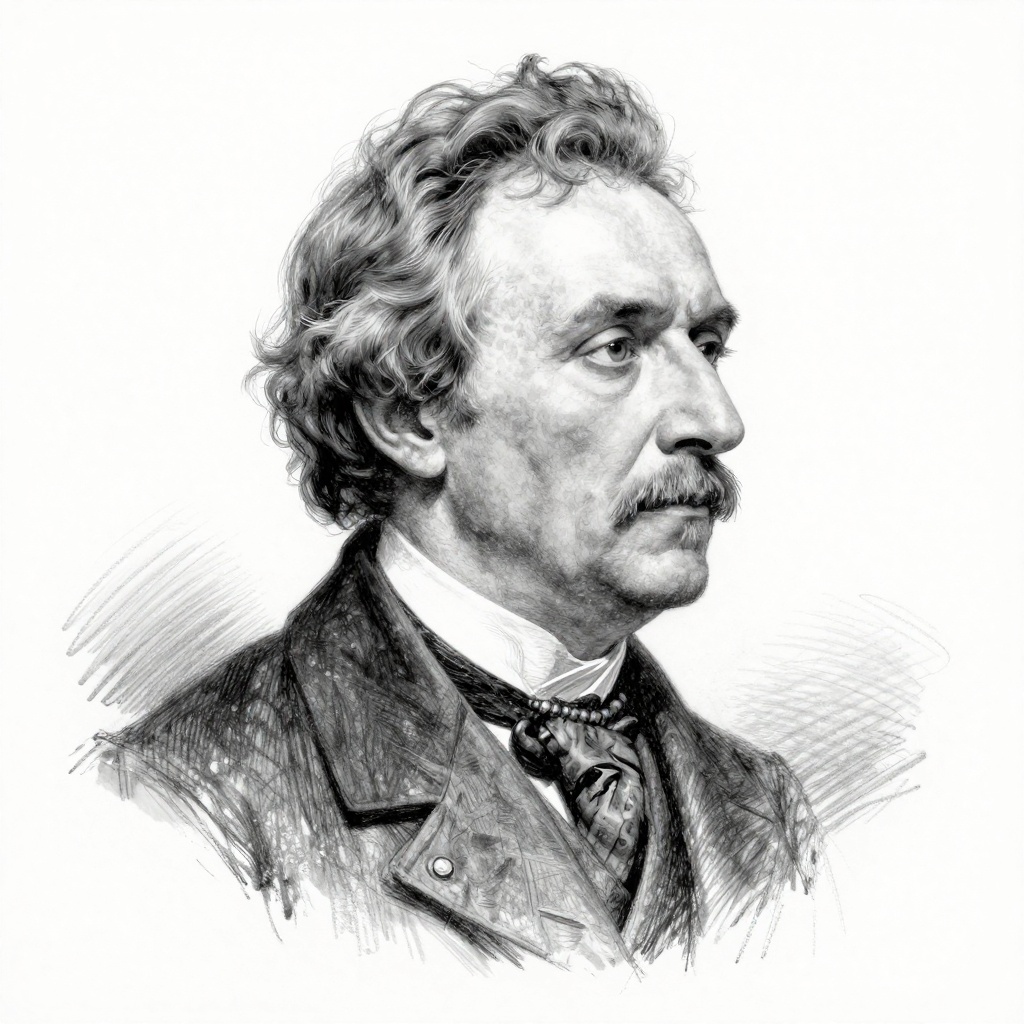
Laurence Sterne

Laurence Sterne was an Irish novelist and Anglican clergyman, best known for his innovative novel "Tristram Shandy," published between 1759 and 1767. His work is celebrated for its playful narrative style and digressive storytelling, which had a significant influence on the development of the modern novel. Sterne's unique approach to prose has made him a key figure in English literature.

Graph

Related