Quote · Added 9 February 2026
Experience is the teacher of all things.
Julius CaesarDe Bello Civili
No ratings yet
Filed underexperience·learning·wisdom
Quote · Added 9 February 2026
Filed underexperience·learning·wisdom
We live in a culture obsessed with shortcuts. We want the TED talk summary instead of the messy years of learning. The podcast that explains it all in 45 minutes. But Caesar's observation cuts through that: there's no substitute for actually doing the thing, failing at it, adjusting, and doing it again. Knowledge you read about sits differently in your mind than knowledge you've earned through your own confusion and small victories.
The tricky part is that experience only teaches if you're actually paying attention. You can repeat the same mistake fifty times and learn nothing, or learn something profound from a single difficult conversation. The real education happens in the reflection—noticing what worked, what didn't, and why. This is why people who seem to learn faster aren't necessarily smarter; they're usually better at extracting lessons from what happens to them rather than just letting life wash over them.
This matters now because we're tempted to outsource our learning to experts and algorithms. But the things that shape us—how to handle disappointment, when to trust someone, what actually makes us happy—these can't be downloaded. They have to be lived. Caesar understood that power comes not just from having information, but from having weathered enough situations to recognize patterns others miss.
d. 44
Julius Caesar was a prominent Roman general and statesman who played a critical role in the events that led to the collapse of the Roman Republic and the rise of the Roman Empire. He is best known for his military conquests, political reforms, and his assassination in 44 BC, which further transformed the political landscape of ancient Rome.
Also by Julius Caesar
I came, I saw, I conquered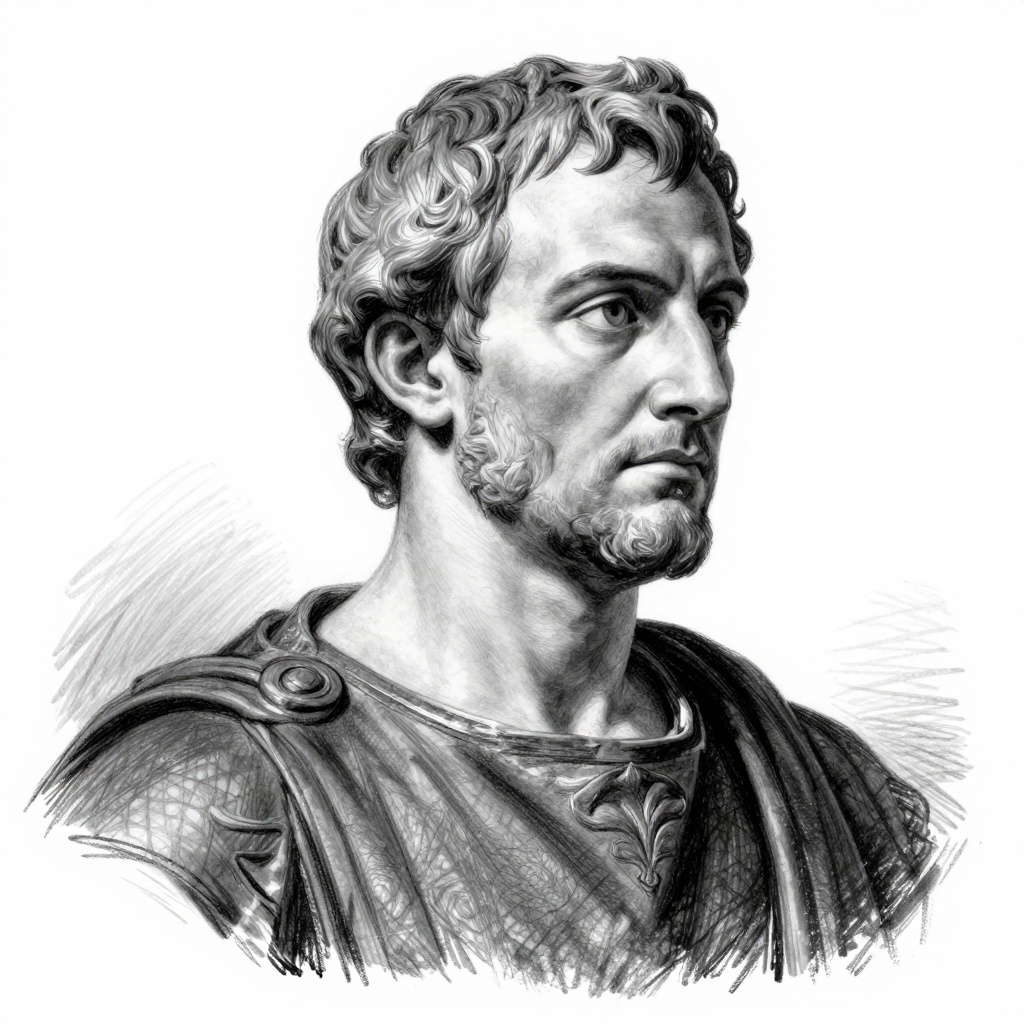
Comments