Quote · Added 14 February 2026
I love the name of honor, more than I fear death.
Julius CaesarThe Gallic Wars, Book 7, 50 BC
No ratings yet
Quote · Added 14 February 2026
Most of us understand honor as a nice idea—being truthful, keeping your word, treating people fairly. But Caesar is saying something wilder: that reputation and integrity matter more than staying alive. That's almost impossible for modern ears to hear without dismissing it as ancient posturing. Yet the quote cuts deeper if you notice he's describing an actual tension that still exists inside us.
Consider how many people compromise their principles to stay comfortable, avoid conflict, or protect their income. We do it in small ways—keeping quiet when we should speak up, taking credit we don't deserve, staying silent about injustice. Each compromise feels safer than the alternative. But Caesar's statement reveals something we sense but rarely admit: there's a particular kind of death that comes from living small, from letting others define who you are through fear. He's not necessarily saying throw your life away recklessly. He's saying the person who cares more about being thought well of than about the bottom-line truth of their character has already lost something irreplaceable.
The real tension isn't between honor and death at all. It's between the temporary comfort of compliance and the lasting weight of knowing you compromised yourself.
d. 44
Julius Caesar was a prominent Roman general and statesman who played a critical role in the events that led to the collapse of the Roman Republic and the rise of the Roman Empire. He is best known for his military conquests, political reforms, and his assassination in 44 BC, which further transformed the political landscape of ancient Rome.
Also by Julius Caesar
I came, I saw, I conquered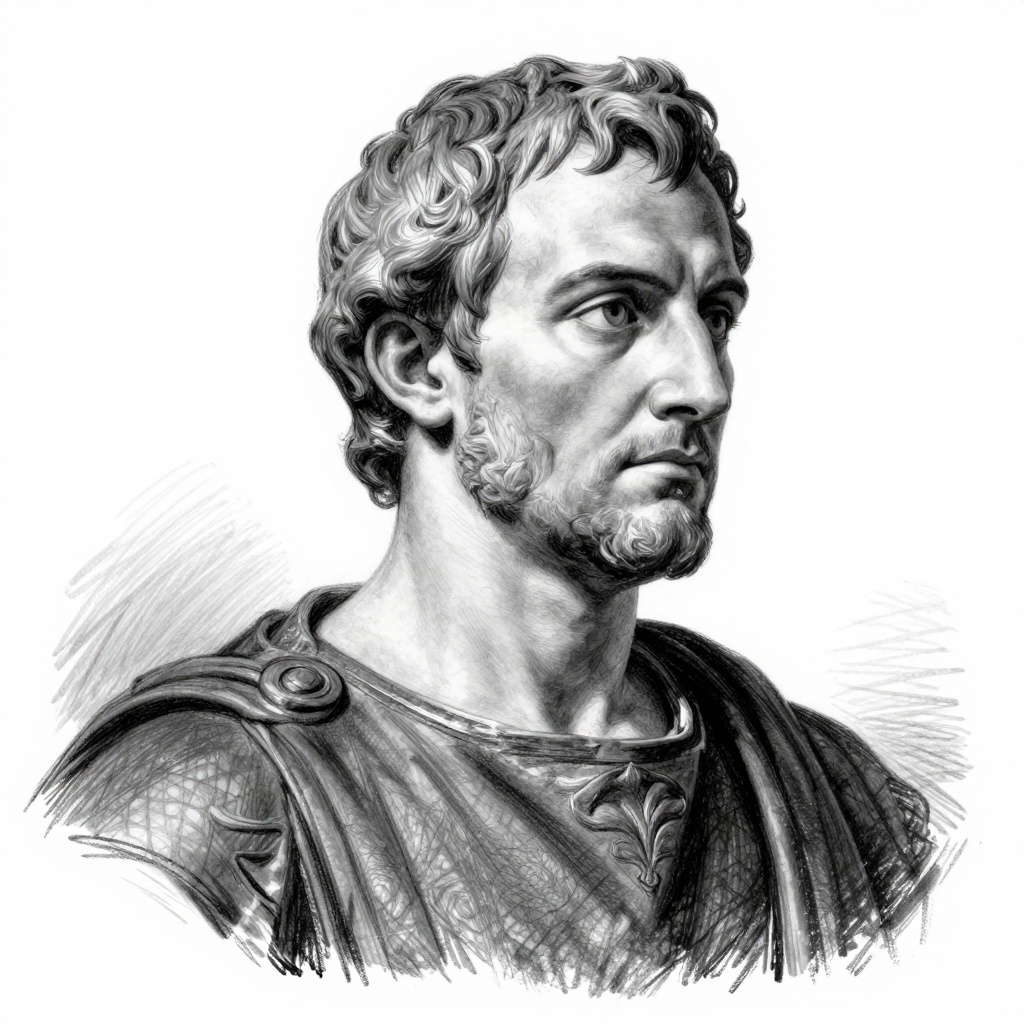
Comments